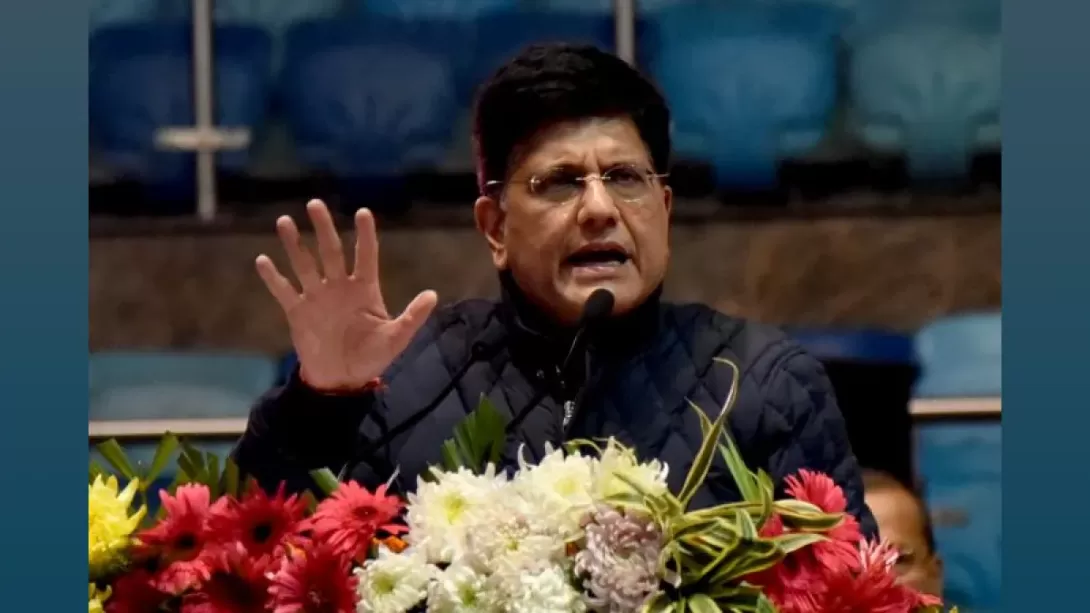
Indian Commerce and Industry Minister Piyush Goyal is set to visit two European nations later this month, leading a business delegation with the goal of deepening trade and investment relations. This visit follows India’s landmark free trade agreement (FTA) with the European Free Trade Association (EFTA) signed in March 2024. The agreement, which is expected to come into effect soon, promises substantial investment commitments and tariff reductions on key products. The tour also coincides with ongoing negotiations for trade agreements with the European Union and the United Kingdom, further solidifying India’s global economic positioning.
Piyush Goyal's European Visit: A Strategic Move to Strengthen Trade Ties
India’s Commerce and Industry Minister, Piyush Goyal, is preparing for an important visit to two European countries later this month. The minister, accompanied by a business delegation, will embark on this trip with the aim of enhancing India’s trade and investment relationships with European nations. This visit is particularly timely as it comes just months after India signed a comprehensive free trade agreement (FTA) with the European Free Trade Association (EFTA) in March 2024.
India’s strategic focus on boosting economic ties with Europe reflects the country’s broader vision of becoming a more integrated player in the global market. The upcoming visit underscores India’s commitment to fostering strong business partnerships with Europe, which could serve as a catalyst for future growth in key sectors.
Strengthening the EFTA Partnership: Investment and Trade Boost
One of the most notable achievements in recent months has been the signing of the Trade and Economic Partnership Agreement (TEPA) between India and the European Free Trade Association (EFTA). Comprising Iceland, Liechtenstein, Norway, and Switzerland, EFTA represents an important economic bloc in Europe. This agreement, signed on March 10, 2024, is poised to bring a host of benefits to both sides, with implementation expected within this year.
Under the terms of the TEPA, India has secured an impressive investment commitment of USD 100 billion over the next 15 years from the EFTA nations. This is a significant development, signaling a deepening of economic ties between India and Europe. Furthermore, the agreement provides India with access to several European products, including Swiss watches, chocolates, and cut and polished diamonds, at lower or zero duties. These tariff reductions are expected to stimulate trade, benefiting Indian consumers and businesses while also providing European manufacturers with greater access to India’s large and growing market.
The EFTA Desk: Facilitating Trade and Investment
To streamline trade relations, India has established a dedicated platform known as the "EFTA Desk." This initiative is designed to promote trade, investment, and business facilitation between India and the EFTA nations. The EFTA Desk is expected to serve as a one-stop solution for companies and entrepreneurs looking to navigate the complexities of cross-border trade, ensuring smoother business transactions between India and Europe.
With the launch of this platform, India aims to further solidify its economic ties with the EFTA countries, creating a more conducive environment for collaboration in sectors ranging from manufacturing to high-end consumer goods. By focusing on ease of doing business, India hopes to attract more investments from European firms, particularly in high-value industries like technology, pharmaceuticals, and clean energy.
Parallel Negotiations: EU and UK Trade Agreements
While the EFTA deal is a significant milestone, India’s trade ambitions in Europe extend beyond this agreement. Talks with the 27-nation European Union (EU) and the United Kingdom (UK) are also progressing at a rapid pace. India is in advanced negotiations with both entities for trade agreements that could open up even greater opportunities for bilateral trade and investment.
These agreements hold the potential to address a wide range of trade issues, including market access, tariffs, intellectual property rights, and regulatory cooperation. The ongoing discussions are expected to be a game-changer for India, as both the EU and the UK represent key global economic powers with substantial trade flows in sectors critical to India’s growth.
The EU-India trade agreement is particularly noteworthy, as the EU is one of India’s largest trading partners, and the UK also remains a significant market for Indian exports. A comprehensive deal with both the EU and the UK could provide a significant boost to India’s exports and investments, enhancing its standing as a global economic powerhouse.
Conclusion: A Turning Point for India’s Global Economic Strategy
Piyush Goyal’s upcoming European visit represents a key moment in India’s broader economic diplomacy efforts. The recent TEPA agreement with EFTA and the progress made in discussions with the EU and the UK illustrate India’s proactive approach to enhancing its trade relationships on the global stage.
This period of heightened diplomatic and economic activity reflects India’s intent to integrate further into the world economy, positioning itself as a preferred partner for investment, trade, and innovation. As India continues to build and strengthen these strategic relationships, the country stands to reap significant benefits in terms of economic growth, job creation, and industrial development. The upcoming European visit, along with the ongoing trade negotiations, could well mark the beginning of a new chapter in India’s international economic journey.
Comments