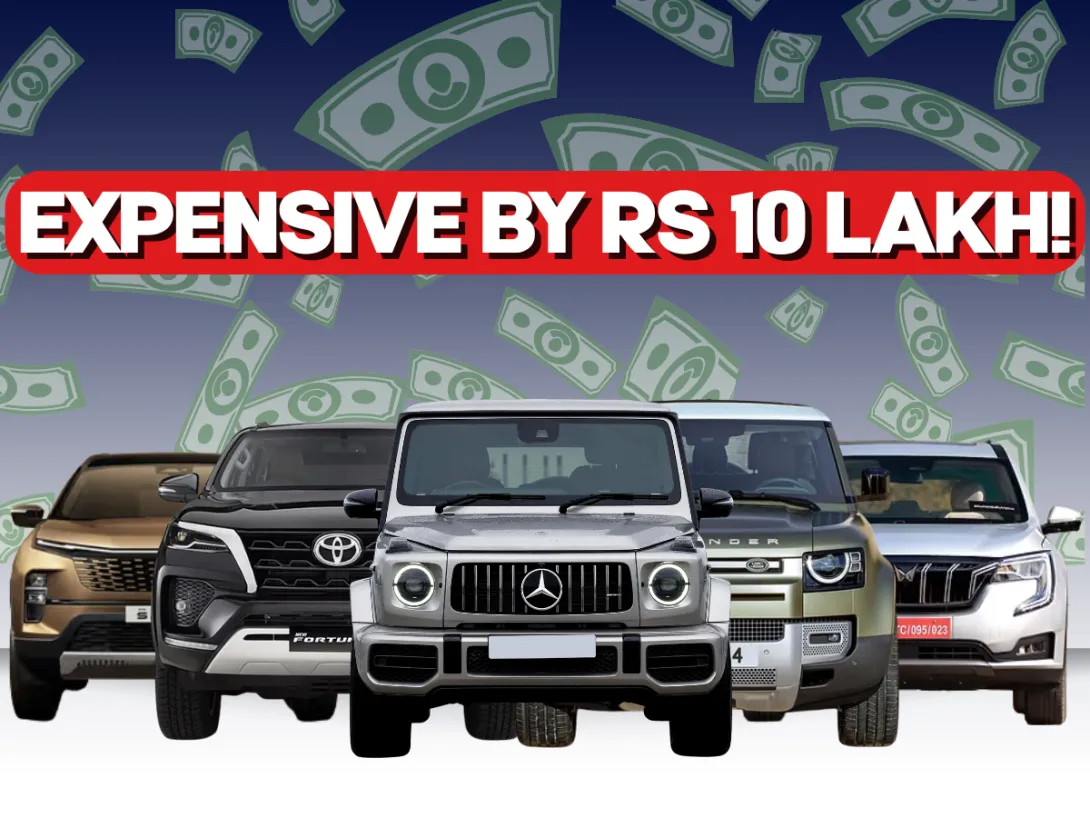
From July 1, high-end car buyers in Maharashtra will face steeper road tax costs following the state government’s decision to revise the one-time vehicle tax cap. Previously limited to Rs. 20 lakh, the ceiling has now been increased to Rs. 30 lakh. This move directly affects premium vehicle purchases—such as the Mercedes-Benz S-Class or BMW 7 Series—potentially increasing on-road costs by up to Rs. 10 lakh. While tax slab percentages remain unchanged, lifting the cap significantly impacts the affordability of ultra-luxury models. The revision also applies to diesel, CNG, LNG, and commercial vehicles, indicating a broader fiscal policy shift in Maharashtra’s auto taxation.
Road Tax Revision: What Has Changed?
The Maharashtra government’s latest policy update centers on revising the maximum limit for the one-time road tax imposed on high-value vehicles. This change is particularly consequential for buyers of luxury cars priced above Rs. 20 lakh.
Previously, although high-end vehicles attracted a tax rate of up to 13% (for petrol vehicles), buyers benefited from a maximum tax cap of Rs. 20 lakh, effectively shielding them from paying the full percentage-based levy on more expensive models. That limit has now been raised to Rs. 30 lakh, increasing the financial burden on new luxury car owners.
Impact on Premium Car Buyers
Take, for instance, the Mercedes-Benz S 450, which retails at approximately Rs. 1.97 crore (ex-showroom). Under the 13% tax slab applicable to petrol vehicles priced above Rs. 20 lakh, the one-time tax works out to about Rs. 25.70 lakh. Previously, the buyer would only pay Rs. 20 lakh, thanks to the cap. However, under the revised policy, the full amount of Rs. 25.70 lakh is now payable, leading to a direct increase of Rs. 5.7 lakh in tax alone.
For vehicles with an even higher calculated tax—say, Rs. 32 lakh—the tax payable will now be capped at Rs. 30 lakh, indicating a ceiling remains in place but at a significantly higher level.
This policy effectively removes the soft cushion that buyers of ultra-luxury vehicles enjoyed, making top-end models substantially more expensive to own in Maharashtra.
Tax Rates by Vehicle Type and Price Segment
While the cap has been raised, tax slab rates remain unchanged, segmented by fuel type and vehicle price:
Petrol Vehicles:
- Up to Rs. 10 lakh – 11%
- Rs. 10 lakh to Rs. 20 lakh – 12%
- Above Rs. 20 lakh – 13%
Diesel Vehicles:
- Up to Rs. 10 lakh – 13%
- Rs. 10 lakh to Rs. 20 lakh – 14%
- Above Rs. 20 lakh – 15%
CNG & LNG Vehicles:
- Across segments – 1% increase over previous rates
These brackets apply to both private and commercial vehicle registrations, broadening the impact across usage categories.
Implications for the Automotive Sector
The timing of this revision comes at a juncture when India's luxury auto market is witnessing steady growth, driven by rising disposable incomes and aspirational urban consumers. By lifting the tax cap, Maharashtra has signaled a potential fiscal reorientation aimed at generating higher state revenue from the top end of the market.
However, this could also deter high-net-worth individuals from making luxury vehicle purchases within Maharashtra. Such a move might encourage some buyers to register their vehicles in states with more favorable tax regimes, echoing concerns often raised around inter-state tax arbitrage.
Dealers, too, may see a temporary drop in inquiries for high-end models, as consumers adjust to the revised cost structures. Car manufacturers may respond by offering financial incentives or bundled packages to soften the tax blow and maintain demand.
A Broader Policy Context
This road tax hike is part of a growing trend among state governments to adjust vehicle taxation in response to evolving automotive market dynamics. While the goal is revenue augmentation, the risk lies in overburdening specific consumer segments, particularly when discretionary spending is sensitive to changes in cost structure.
Additionally, such policy shifts emphasize the importance of transparent and uniform taxation across states, especially as India's vehicle registration ecosystem becomes more centralized through digitization initiatives.
Conclusion
Maharashtra's decision to increase the road tax cap for luxury vehicles is a significant policy shift with tangible financial consequences for premium car buyers. While the move may contribute to increased state revenue, it also adds pressure to a niche but influential segment of the automobile market. As the industry digests this change, its ripple effects—both commercial and psychological—are expected to play out over the coming months, particularly in urban centers like Mumbai and Pune where luxury vehicle demand has traditionally been strong.
Comments