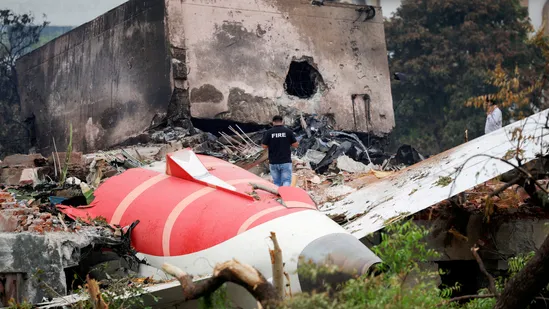
The investigation into the tragic crash of Air India flight 171 near Ahmedabad is entering a critical phase as authorities begin analyzing data extracted from the aircraft’s black boxes. The Boeing 787 Dreamliner crashed shortly after takeoff on June 12, claiming 241 lives on board and additional fatalities on the ground. Both cockpit voice and flight data recorders were recovered promptly and transported securely to the Aircraft Accident Investigation Bureau (AAIB) laboratory in Delhi. With international experts involved, the analysis aims to reconstruct the crash sequence, determine causative factors, and enhance aviation safety protocols to prevent future disasters.
Prompt Recovery and Secure Transport of Black Boxes
In a swift response following the June 12 catastrophe, teams recovered both black boxes within days—one from a rooftop near the crash site on June 13 and the other from wreckage on June 16. These devices, designed to endure extreme conditions, were placed under tight police protection with continuous CCTV surveillance before being flown to Delhi aboard Indian Air Force aircraft on June 24.
The front black box reached the AAIB lab at 2 p.m., followed by the rear unit at 5:15 p.m. Extracting data from the devices commenced the same evening, signaling a crucial milestone in the investigative timeline. Unlike many past incidents where black box data extraction faced protracted delays due to manufacturer dependencies, Indian authorities successfully accessed the Crash Protection Module (CPM) and memory modules swiftly.
Technical Collaboration and Adherence to International Standards
The investigation is spearheaded by the AAIB, India's statutory body for air crash inquiries, and includes technical experts from both the AAIB and the US National Transportation Safety Board (NTSB). Complemented by aviation medicine specialists and air traffic control officials, this multidisciplinary team operates under the framework of the International Civil Aviation Organisation (ICAO) Annex 13 guidelines.
India, a signatory to the 1944 Chicago Convention, commits to transparent and timely accident investigation processes compliant with domestic legislation and global norms. The Aircraft (Investigation of Accidents and Incidents) Rules, 2017, further codify these procedures, ensuring that this investigation meets the highest standards of thoroughness and impartiality.
The Black Boxes: Enhanced Airborne Data Recorders
The Boeing 787 is equipped with dual black boxes to safeguard data redundancy. Each unit comprises an Enhanced Airborne Data Recorder (EADR), integrating both the Flight Data Recorder (FDR) and Cockpit Voice Recorder (CVR). These devices provide invaluable insights into the aircraft's operational parameters and crew communications leading up to the crash.
Recovery of these devices from challenging locations underlines the efficacy of safety protocols and recovery operations. Their data is pivotal in piecing together the precise sequence of events that culminated in the disaster, offering critical clues for investigators.
Reconstructing the Crash and Future Implications
The aircraft crashed into a medical college complex in Meghaninagar shortly after departure from Ahmedabad, resulting in one of India’s deadliest aviation accidents. With debris spread across the site and the aircraft tail lodged atop the residential wing’s rooftop, authorities have moved wreckage for detailed forensic analysis.
The AAIB’s ongoing work focuses on reconstructing the flight's final moments and identifying technical or human factors that may have contributed to the accident. This painstaking analysis is essential not only for establishing accountability but also for formulating safety enhancements that could avert similar tragedies.
Conclusion: A Pivotal Moment for Aviation Safety in India
The extraction and preliminary analysis of black box data mark a significant progression in the Air India 171 crash investigation. With international collaboration and adherence to stringent investigative protocols, the findings will inform future aviation safety standards.
As the inquiry unfolds, stakeholders across the aviation sector, regulatory authorities, and the general public await comprehensive insights that will honor the memory of the victims by striving to make air travel safer. This investigation exemplifies India’s commitment to transparency, technical rigor, and global cooperation in aviation accident response.
Comments