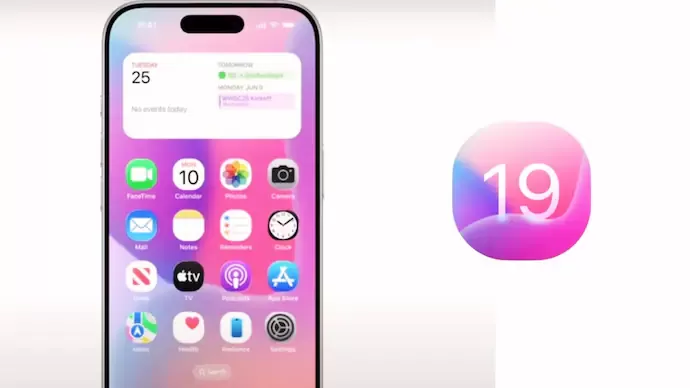
Apple is poised to reveal significant updates to its operating systems for iPhones, iPads, Macs, and other devices at the Worldwide Developers Conference (WWDC) 2025. Central to these changes is a revamped naming convention transitioning to a streamlined numerical system—iOS 26, iPadOS 26, macOS 26, among others. Complementing this, Apple is set to launch a sweeping redesign of its user interface, dubbed “Liquid Glass,” inspired by the aesthetic of its Vision Pro headset. This glossy, transparent UI overhaul aims to unify the user experience across platforms and heralds future hardware innovations, including a radically redesigned iPhone planned for 2027.
A New Era of OS Naming Conventions
Apple’s software updates traditionally use incremental numbers, but this year signals a shift towards a simplified numeric scheme, advancing to iOS 26, iPadOS 26, macOS 26, and so forth. This move is expected to streamline branding across Apple’s diverse operating systems and reflect a mature, cohesive ecosystem as the company further integrates its devices and services.
‘Liquid Glass’: A Bold UI Transformation
According to Bloomberg’s Mark Gurman, the new user interface redesign, internally titled “Liquid Glass,” will introduce translucent and reflective effects across Apple’s software landscape. Borrowing heavily from the visual language of Apple’s Vision Pro mixed reality headset, the UI will feature glossy, see-through surfaces that create depth and cohesion. Toolbars, system controls, and in-app elements will adopt transparency and glass-like reflections, offering a fresh yet sophisticated aesthetic.
This overhaul represents Apple’s most comprehensive UI update since 2013, when it transitioned from skeuomorphic designs to flat, minimalist interfaces under Jony Ive’s leadership. The Liquid Glass design promises to unify the user experience across iPhones, iPads, Macs, and other devices, setting a new standard for Apple’s visual identity.
Laying Foundations for Future Hardware
The new interface is not merely cosmetic but strategic, laying the groundwork for Apple’s forthcoming hardware ambitions. Of particular note is the much-anticipated iPhone redesign expected in 2027, the 20th anniversary of the iPhone’s debut. Internally codenamed “Glasswing,” this device will amplify the glass-centric theme, featuring curved glass sides enveloping the phone’s edges, ultra-slim bezels, and eliminating visible cutouts for the front camera and sensors.
This visionary design seeks to harmonize with the Liquid Glass interface, delivering a seamless blend of hardware and software aesthetics that underscore Apple’s commitment to innovation and premium craftsmanship.
Conclusion
WWDC 2025 promises to be a landmark event as Apple embarks on a significant evolution of its operating systems and user interface. The shift to a more straightforward naming system, paired with the striking Liquid Glass design, signals the company’s dedication to unifying its product ecosystem visually and functionally. These advancements not only enhance the user experience today but also herald an exciting future, with groundbreaking hardware like the Glasswing iPhone poised to redefine the industry’s standards in the coming years.
As the tech world watches closely, Apple’s WWDC 2025 announcements may well chart the next decade of innovation across consumer technology.
Comments