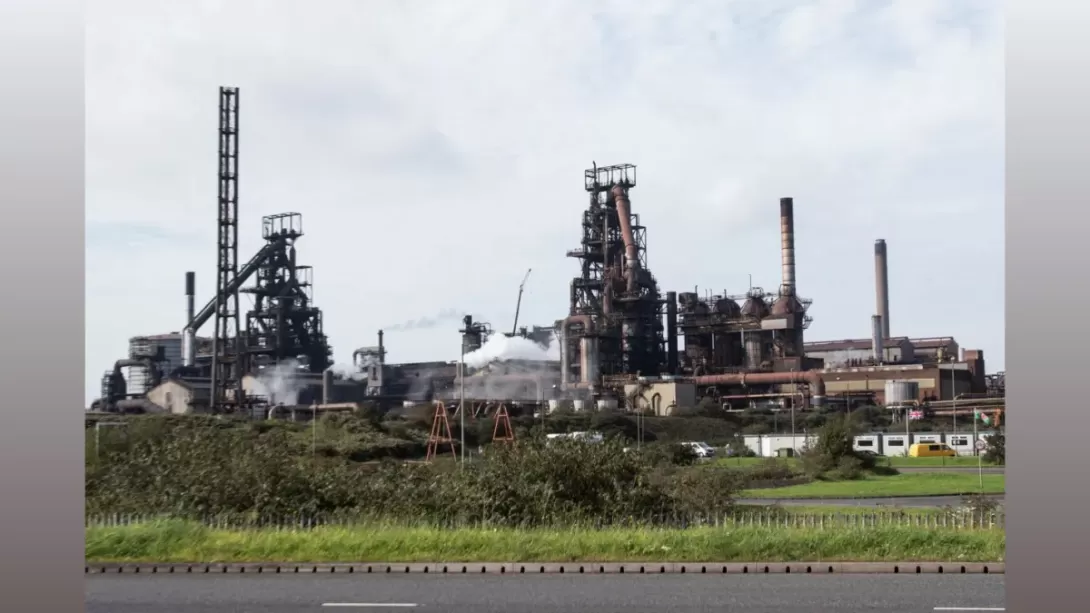
Tata Steel UK has announced a pivotal advancement in its green steel production strategy with a significant contract awarded to JASO Industrial Cranes. The deal involves supplying seven high-capacity process cranes to support the upcoming Electric Arc Furnace (EAF) at the Port Talbot plant, a £1.25 billion investment in sustainable steelmaking. Expected to become one of the world’s largest EAFs by 2028, the facility aims to slash carbon emissions by 90%, cutting five million tonnes of CO₂ annually. This initiative underscores Tata Steel’s commitment to decarbonising steel production through innovative technology and local resource utilization.
Transitioning to Sustainable Steelmaking
Tata Steel UK’s strategic transformation at Port Talbot signifies a major leap towards sustainable steel manufacturing. Central to this evolution is the Electric Arc Furnace facility, which will replace the traditional blast furnace method. The EAF technology leverages locally sourced scrap metal to produce steel, dramatically reducing the carbon footprint associated with conventional steelmaking.
The company’s £1.25 billion investment underlines its dedication to green steel, with the Port Talbot plant poised to cut its CO₂ emissions by an estimated 90%, equivalent to removing five million tonnes of carbon dioxide annually by 2028. This ambitious project exemplifies the industry’s broader shift towards environmentally responsible practices in response to global climate imperatives.
Key Infrastructure Investment: JASO Industrial Cranes Contract
Integral to the EAF’s operational efficiency is the recent contract with JASO Industrial Cranes, a globally recognized manufacturer specializing in process cranes. JASO will deliver seven specialized cranes designed to facilitate critical material handling within the plant’s new steelmaking infrastructure.
The contract includes a 500-tonne capacity crane for liquid steel ladle handling—an essential element for maintaining smooth, continuous production. Additionally, two 80-tonne scrap cranes will feed raw materials into the EAF via an integrated conveyor system, ensuring a steady and reliable input stream. To support maintenance of the plant’s advanced equipment, two 35-tonne cranes will be installed specifically for electrode servicing.
Stuart Lloyd, Project Manager for the Cranes Project, emphasized the collaboration’s significance: “Building on our successful partnership with JASO since 2019, these seven new process cranes will be vital in linking the different segments of our state-of-the-art EAF, driving low-emission steel production in South Wales for decades to come.”
Partnership and Industry Impact
JASO Industrial Cranes’ Marketing and Sales Director, Raul Fernandez, highlighted the historic scale and importance of this order. “This project stands as the largest and most impactful in JASO’s history,” Fernandez noted, “and we are honored to contribute to the UK steel industry’s transformation toward a more sustainable and resilient future.”
The Port Talbot facility, owned by India-headquartered Tata Steel, is the UK’s largest steelworks with an annual capacity of 3 million tonnes and employs approximately 8,000 personnel. The transition to EAF technology marks a strategic response to both environmental challenges and evolving market demands.
Looking Ahead: A Blueprint for Green Steel
Tata Steel’s investment in green steel production at Port Talbot encapsulates the future of the steel industry—innovative, sustainable, and economically viable. By replacing blast furnaces with Electric Arc Furnaces and integrating cutting-edge process cranes, Tata Steel is not only reducing carbon emissions but also strengthening its operational capabilities and competitive position.
This ambitious project reflects a broader industry trend toward decarbonization, offering a model for steel producers worldwide seeking to reconcile industrial growth with environmental stewardship. As the facility gears up for full operation in 2028, Tata Steel UK’s Port Talbot plant will stand as a beacon of sustainable industrial transformation.
Comments