Tata Steel is aggressively pursuing a comprehensive cost reduction programme targeting Rs 11,500 crore (approximately USD 1.3 billion) across its global operations over the next 12-18 months. This initiative focuses on controllable costs, operational efficiencies, and leaner manufacturing processes as the company expands its Indian capacity while transitioning European plants towards greener steelmaking technologies. The firm’s executive director and CFO, Koushik Chatterjee, emphasized improvements in fixed cost management, procurement, and conversion cost optimization. Amid ongoing green projects in the UK and Netherlands, Tata Steel aims to balance profitability enhancement with sustainable growth, supported by significant capital expenditure and debt reduction efforts.
Strategic Cost Takeouts Driving Profitability
Tata Steel has outlined a robust cost transformation agenda designed to bolster profitability by eliminating inefficiencies and optimizing controllable expenses. The firm’s CFO Koushik Chatterjee revealed that during fiscal year 2025, structural cost savings amounted to Rs 6,600 crore through improvements in manufacturing efficiency, procurement strategies, raw material mix—particularly leaner coal blends—and reductions in fixed overheads.
Looking ahead to fiscal 2026, Tata Steel aims to nearly double these savings to Rs 11,500 crore by continuing to target controllable costs across its operational geographies. This disciplined focus on cost containment is central to the company’s financial strategy amid industry headwinds and its ongoing green transformation efforts.
India Operations: Capacity Expansion and Cost Optimization
In India, Tata Steel is expanding its Kalinganagar plant’s capacity to 8 million tonnes per annum (MTPA), reflecting strong growth prospects in the domestic steel market. The company plans to realize Rs 4,000 crore in savings through enhanced operating key performance indicators (KPIs), improved employee productivity, and supply chain rationalization. A particular focus is on reducing conversion costs by Rs 1,000 to Rs 1,200 per tonne, reflecting a keen eye on manufacturing efficiency.
These measures are complemented by capital investments in projects with rapid payback periods, underscoring Tata Steel’s emphasis on value-accretive growth in its home market.
European Transition: Leaner Structures and Green Steel
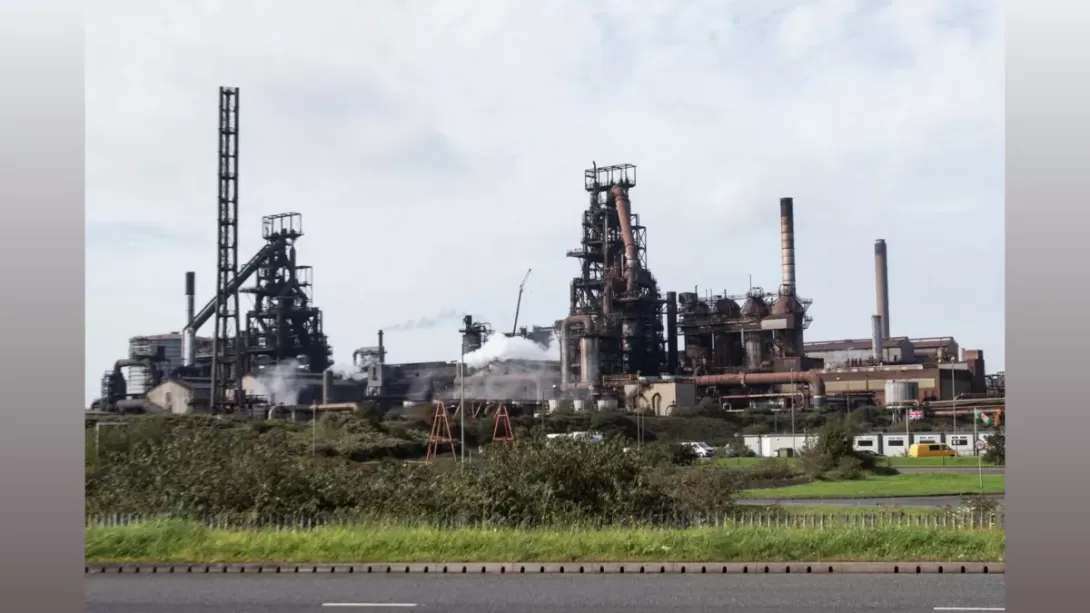
Tata Steel’s European operations, particularly in the UK and the Netherlands, are in a transitional phase marked by strategic cost reduction and decarbonization initiatives. The UK facility at Port Talbot, with a capacity of 3 MTPA and a workforce of approximately 8,000, is shifting from blast furnace processes to electric arc furnace technology to enable lower carbon emissions.
The company has reduced fixed costs in the UK by 29 percent year-over-year—from £995 million in FY 2024 to £762 million in FY 2025—and aims to further lower this to £540 million in FY 2026. Cost-saving levers include substrate cost optimization, IT infrastructure upgrades, overhead rationalization, and downstream operation restructuring. These efforts are supported by a £500 million government grant aimed at facilitating the transition to scrap-based electric arc steelmaking.
The UK green transition project has secured planning approvals and technology partnerships, with engineering design nearing completion and site activities scheduled to commence imminently. Tata Steel has invested approximately £35 million in FY 2025 towards this project, signifying a clear commitment to sustainable manufacturing.
Netherlands Facility: Production Efficiency and Decarbonization
At Tata Steel’s 6.75 MTPA IJmuiden plant in the Netherlands, a comprehensive transformation programme is underway. This includes maximizing production volumes, optimizing product mix, enhancing maintenance practices, and increasing employee productivity—all targeting savings of around £500 million.
The company is actively engaging with labor unions on these reforms while negotiating with the Dutch government to secure policy and financial support for its decarbonization roadmap. The Dutch government has advanced discussions with the European Commission on this project, highlighting its significance within the EU’s environmental agenda.
Financial Health and Capital Deployment
Tata Steel has earmarked a capital expenditure budget of Rs 15,000 crore for FY 2026, predominantly allocated to projects in India (approximately 80 percent), with the remainder supporting European operations and green initiatives.
On the balance sheet front, the company’s net debt position improved markedly, declining from Rs 88,870 crore in September 2024 to Rs 82,579 crore as of March 2025, a reduction of roughly Rs 6,200 crore within six months. This deleveraging effort reflects disciplined financial management supporting the company’s strategic investments and cost programs.
Conclusion
Tata Steel’s ambitious cost transformation and sustainability transition underline a dual focus on operational excellence and environmental responsibility. By targeting substantial cost reductions across its global footprint and investing in green steel technology, the company aims to enhance profitability while aligning with evolving market and regulatory expectations.
This strategic recalibration positions Tata Steel to capitalize on growth opportunities in India’s expanding steel market and navigate the complexities of transitioning mature European operations to a low-carbon future, ensuring long-term competitiveness and resilience.
Comments