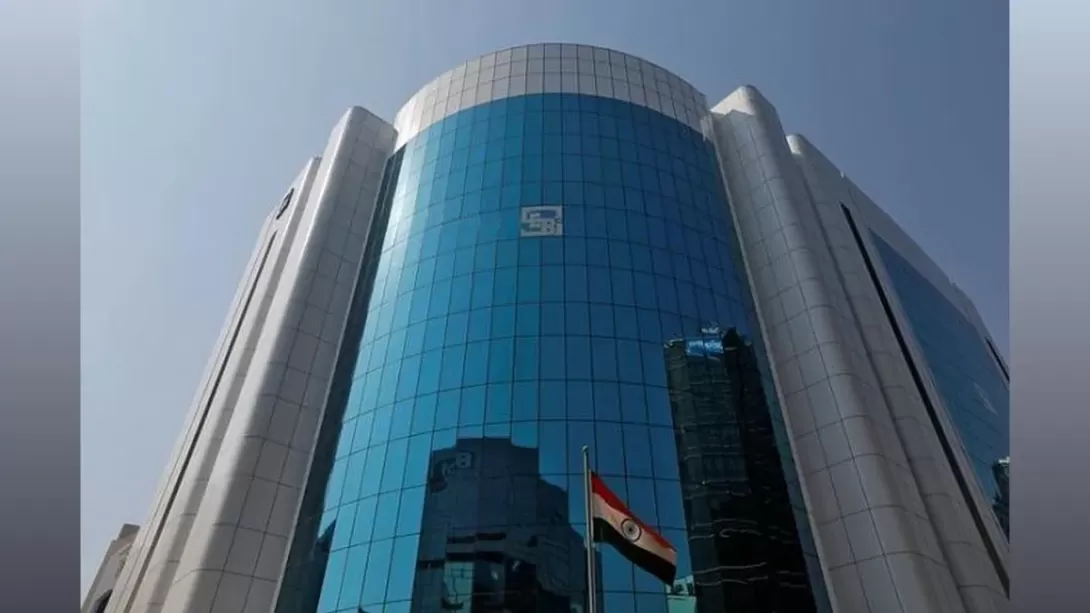
Shares of Gensol Engineering plunged to fresh 52-week lows on May 13, marking a 95% drop from their peak, after the company’s promoters—Anmol Singh Jaggi and Puneet Singh Jaggi—resigned in the wake of a regulatory crackdown. The resignations followed an interim order by the Securities and Exchange Board of India (SEBI) barring the duo and the firm from participating in securities markets due to alleged fund diversion and corporate governance lapses. Investor sentiment collapsed as the stock hit its lower circuit for the 23rd consecutive session, raising serious questions about the company’s future viability and internal controls.
Shares Collapse to 52-Week Lows Amid Promoter Exit
Gensol Engineering Ltd. faced another blow on Tuesday as its stock nosedived 5 percent to touch the lower circuit limit, registering a 52-week low of Rs. 51.84 on the BSE and Rs. 51.25 on the NSE. The freefall marks a staggering 95.39 percent decline from its 52-week high of Rs. 1,125.75.
The relentless slide—spanning 23 consecutive trading sessions and resulting in a cumulative loss of 68.28 percent—has devastated investor confidence. The trigger for this latest rout was the formal resignation of the company’s promoters, Anmol Singh Jaggi and Puneet Singh Jaggi, who held the posts of Managing Director and Whole-time Director, respectively.
Regulatory Action Unleashes Crisis of Confidence
The promoter resignations come on the heels of SEBI’s interim order issued on April 15, 2025, which cited serious lapses in financial governance. The order bars both the company and its promoters from accessing the securities markets until further notice, citing concerns over fund diversion and non-compliance with essential governance norms.
SEBI also directed Gensol to halt its proposed stock split, a move that likely aimed to cushion share price volatility. With the regulator imposing a moratorium on any restructuring activity and stripping the promoters of their board-level authority, investor perception has rapidly shifted from cautious optimism to outright panic.
In its regulatory filing, Gensol confirmed that both executives resigned “with effect from the close of business hours on May 12, 2025,” and simultaneously stepped down from all company committees.
Investor Fallout and Market Sentiment
The sharp erosion in market capitalization underscores how vulnerable small- and mid-cap companies can be to governance-related crises. Gensol’s case has become a textbook example of how non-financial risks—especially regulatory and ethical issues—can cause catastrophic losses even when business fundamentals seem intact.
Investor exits have been swift and brutal. The sustained lower circuit pattern indicates illiquidity and a lack of buyers in the market, often a sign of institutional abandonment. Retail investors, who typically hold the bulk of shares in high-flying mid-caps, have been left exposed in the absence of stabilizing forces.
Moreover, the resignations do not imply closure to the ongoing investigation. Instead, they may signal the beginning of a deeper restructuring or regulatory audit that could impact the company’s operations and its ability to raise capital in the near future.
Governance Lessons and Broader Market Implications
The Gensol episode adds to the growing list of corporate governance failures that have rattled Indian equity markets in recent years. As the capital market matures, SEBI has taken an increasingly proactive stance in rooting out malpractice and enhancing transparency.
For investors, this is a critical reminder to look beyond earnings and examine promoter integrity, board independence, and adherence to compliance frameworks. For policymakers and institutional players, it renews the urgency to strengthen due diligence protocols for high-growth but thinly regulated firms.
Additionally, the fallout from this case could influence regulatory scrutiny of similar companies in the energy engineering and sustainability sectors, especially those that have seen sharp run-ups in stock valuations amid India’s push toward clean infrastructure.
Conclusion: A Reckoning in Real Time
Gensol Engineering now faces an existential moment. With its leadership gone and regulatory actions hanging over its operations, the company’s ability to recover investor trust is deeply compromised. What was once viewed as a promising mid-cap in India’s green-tech sector has swiftly become a cautionary tale of governance failure.
As SEBI continues its investigation, the broader market will be watching not just for disciplinary action, but also for signals on how India intends to balance innovation with integrity in its capital markets. For investors, the lesson is clear: fundamentals matter—but governance matters more.
Comments