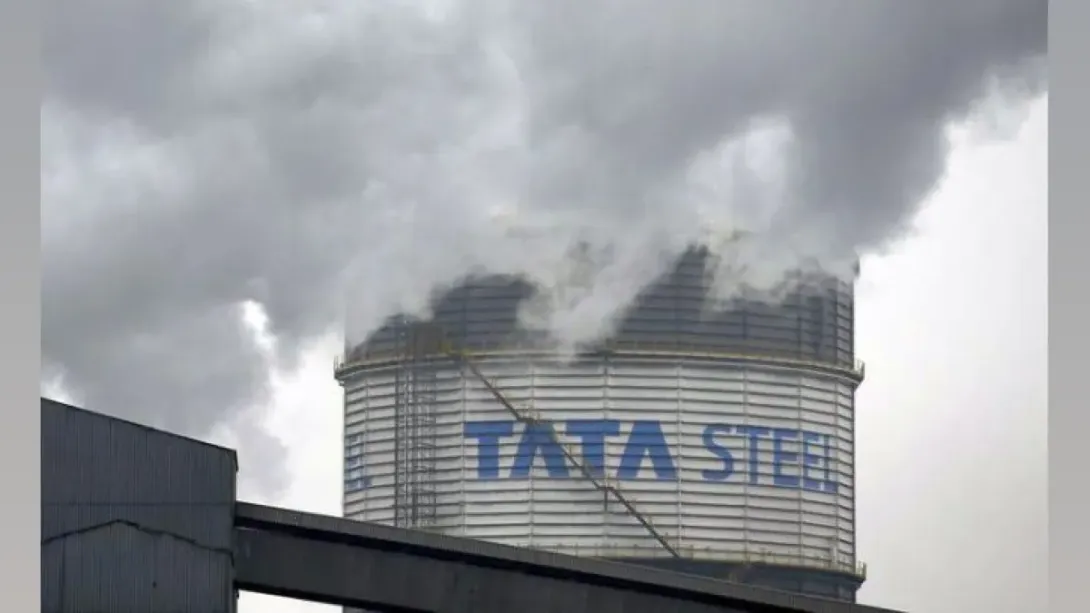
Indian Metals & Ferro Alloys (IMFA) has acquired a ferro chrome plant from Tata Steel, strengthening its production footprint and consolidating its position in the alloy manufacturing sector. The transaction enhances IMFA’s smelting capacity and supports its long-term strategy of scaling operations amid steady global demand for stainless steel inputs. Industry analysts view the acquisition as a tactical move to optimize asset utilization and improve cost efficiencies. The deal also reflects ongoing consolidation in the ferro alloys industry, where scale, captive raw material access and operational integration are increasingly critical to maintaining competitiveness in export-driven markets.
Strategic Acquisition to Boost Capacity
Indian Metals & Ferro Alloys Ltd. has finalized the acquisition of a ferro chrome plant from Tata Steel Ltd., marking a significant step in expanding its manufacturing base.
The acquired facility is expected to augment IMFA’s smelting capacity and enhance operational flexibility. By integrating the plant into its existing network, the company aims to achieve economies of scale and optimize production efficiency.
Ferro chrome is a critical raw material in stainless steel manufacturing, and global demand remains closely linked to infrastructure, automotive and industrial production trends.
Industry Context and Market Dynamics
The ferro alloys sector has experienced cyclical volatility driven by fluctuations in stainless steel output and raw material prices. However, long-term structural demand remains underpinned by urbanization and industrialization across emerging markets.
Industry experts note that capacity consolidation can strengthen bargaining power and improve cost competitiveness. For IMFA, expanding its footprint may offer greater leverage in export markets, particularly in Asia and Europe, where stainless steel consumption continues to grow.
The acquisition also reflects a broader trend of strategic asset transfers within India’s metals sector as companies recalibrate core business priorities.
Operational Synergies and Cost Efficiency
IMFA is expected to leverage its existing supply chain infrastructure, including ore sourcing and logistics capabilities, to optimize operations at the newly acquired plant. Vertical integration often plays a decisive role in ferro alloy profitability, particularly when input costs fluctuate.
Analysts suggest that improved asset utilization and operational synergies could enhance margins over time. However, integration efficiency and energy cost management will remain key determinants of financial performance.
Electricity constitutes a significant portion of ferro chrome production expenses, making energy strategy and cost discipline critical to sustaining competitiveness.
Implications for Tata Steel
For Tata Steel Ltd., the divestment aligns with ongoing portfolio rationalization efforts. Large diversified steelmakers often streamline non-core assets to sharpen strategic focus and strengthen balance sheets.
The transaction allows Tata Steel to redirect capital toward primary steel operations and high-value segments, reinforcing its broader growth agenda.
Market observers note that such asset realignments are common in capital-intensive industries seeking improved return on invested capital.
Long-Term Outlook
IMFA’s acquisition underscores the importance of scale and integration in the ferro alloys industry. As global stainless steel production evolves in response to infrastructure expansion and manufacturing growth, producers with efficient cost structures are likely to outperform peers.
While short-term price volatility may persist, the structural demand outlook for ferro chrome remains constructive. By expanding its capacity base, IMFA positions itself to capitalize on export opportunities and domestic consumption trends.
The deal highlights a strategic recalibration within India’s metals ecosystem—one that prioritizes operational efficiency, disciplined capital deployment and long-term competitiveness in global markets.
Comments