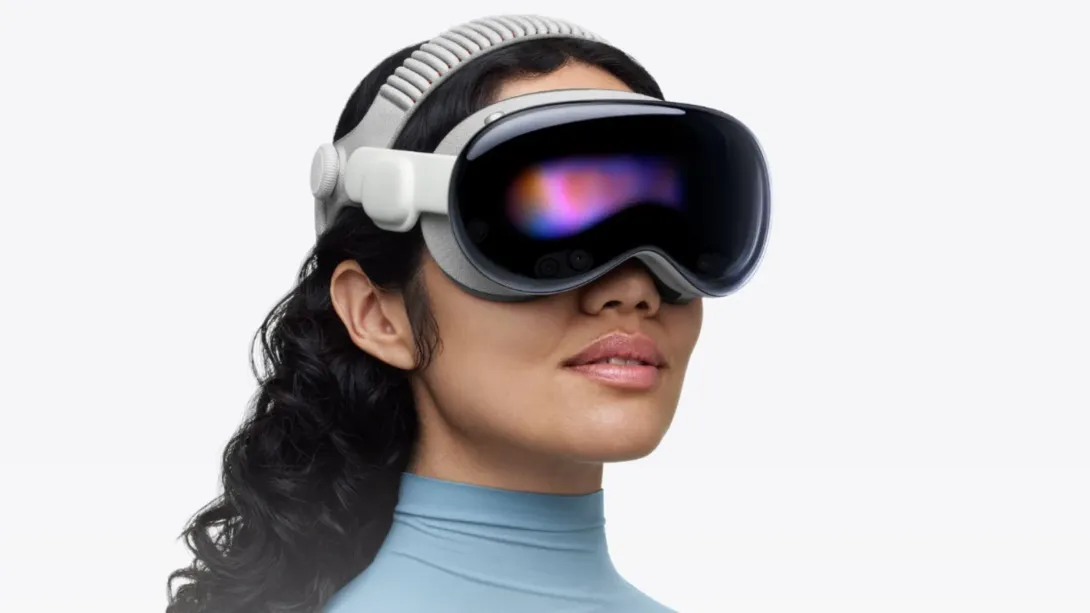
Apple Inc. is intensifying development of artificial intelligence–enabled wearable devices, underscoring its ambition to redefine personal technology beyond smartphones. Industry sources indicate that Apple is integrating advanced on-device AI capabilities across future wearables to enhance health monitoring, personalization, and real-time user interaction. The initiative reflects Apple’s broader strategy to embed intelligence deeper into its hardware ecosystem while maintaining a strong focus on privacy and performance. Analysts view the move as a pivotal step that could reshape consumer expectations, expand recurring services revenue, and strengthen Apple’s competitive position in the rapidly evolving global wearables market.
Strategic Shift Toward Intelligent Wearables
Apple’s accelerated focus on AI-powered wearables marks a strategic evolution from hardware-centric innovation to intelligence-driven experiences. By embedding advanced machine learning directly into devices, the company aims to deliver faster processing, reduced cloud dependency, and more context-aware functionality.
Executives familiar with the roadmap suggest that wearables will play a central role in Apple’s long-term ecosystem strategy, complementing iPhones, tablets, and services through seamless, data-driven integration.
AI as a Catalyst for Health and Personalization
Health monitoring remains a cornerstone of Apple’s wearable ambitions. AI-driven analytics are expected to enhance predictive health insights, early anomaly detection, and personalized wellness recommendations. These capabilities could elevate wearables from passive trackers to proactive digital health companions.
Beyond health, AI is being positioned to improve voice interaction, adaptive notifications, and user behavior modeling, enabling devices to respond intelligently to individual routines and preferences.
Privacy-First AI Architecture
A defining element of Apple’s approach is its emphasis on privacy-centric AI. By prioritizing on-device intelligence, the company aims to minimize data transmission while maintaining high performance. Analysts note that this differentiates Apple from competitors that rely more heavily on cloud-based AI models.
This strategy aligns with Apple’s long-standing brand positioning around user trust and data security, particularly as regulators globally scrutinize AI governance and consumer data practices.
Market Implications and Competitive Landscape
The global wearables market is becoming increasingly competitive, with technology firms racing to combine AI, sensors, and software ecosystems. Apple’s acceleration in this space is likely to intensify competition, particularly in premium segments where differentiation depends on intelligence rather than hardware specifications alone.
Market observers suggest that AI-enabled wearables could unlock new revenue streams through health subscriptions, enterprise applications, and deeper integration with Apple’s services portfolio.
Outlook
Apple’s accelerated development of AI-powered wearables signals a decisive shift toward ambient, intelligent computing. As artificial intelligence becomes embedded in everyday devices, wearables are poised to emerge as the next frontier of consumer technology. If executed effectively, Apple’s strategy could redefine how users interact with technology—making it more intuitive, proactive, and seamlessly integrated into daily life.
Comments