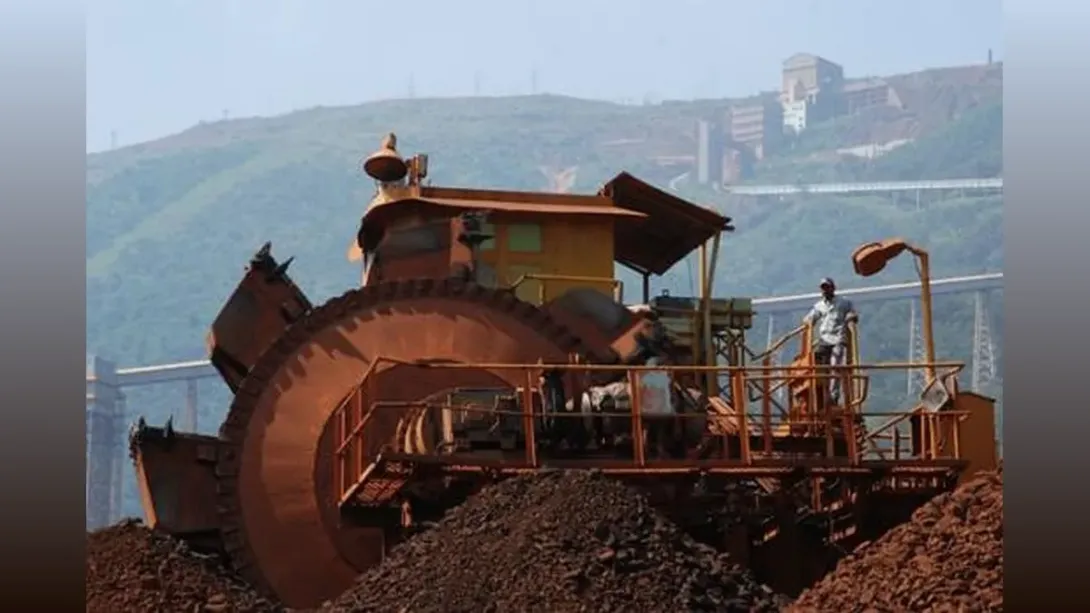
Adani Group, NMDC, and Vale have announced plans to jointly develop a large-scale iron ore hub at Gangavaram, signaling a major step in India’s strategic mineral infrastructure expansion. The initiative aims to enhance ore handling capacity, streamline exports, and strengthen supply-chain efficiency in the steel sector. Industry experts say the project will improve India’s competitiveness in global markets while boosting employment and regional development. The collaboration exemplifies public-private partnerships aligning with the country’s ambitions to become a leading iron ore exporter.
Strategic Significance of the Gangavaram Hub
The proposed Gangavaram iron ore hub represents a critical juncture in India’s mining and export strategy. By integrating the strengths of a private conglomerate, a state-owned mining entity, and an international mining giant, the facility is designed to optimize extraction, transportation, and port handling of iron ore.
Officials indicate that the hub will facilitate smoother logistics for both domestic consumption and international exports, reducing bottlenecks and lowering operational costs for steel manufacturers. The initiative is expected to position Gangavaram as a central node in India’s mineral export network.
Public-Private-International Collaboration
This venture marks a notable collaboration among diverse stakeholders: Adani brings infrastructure and port management expertise; NMDC provides domestic ore sourcing and regulatory alignment; Vale contributes global mining experience and technological capabilities.
Analysts suggest that combining these capabilities can lead to operational efficiencies, higher throughput, and advanced supply-chain integration—factors critical to maintaining competitiveness amid volatile global commodity markets.
Economic and Regional Impact
Beyond improving mineral logistics, the Gangavaram hub is projected to generate significant economic benefits. Employment opportunities will span mining, logistics, port operations, and ancillary services, benefiting the local population. The project is also expected to stimulate regional infrastructure development, including road, rail, and power enhancements.
Financially, improved iron ore exports could contribute substantially to India’s foreign exchange inflows while stabilizing domestic steel prices by ensuring reliable supply.
Implications for India’s Steel and Mining Sector
The collaboration underscores India’s ambition to scale its iron ore industry to meet rising domestic demand and expand global export capacity. Analysts note that enhanced port infrastructure combined with efficient mining operations can reduce turnaround times, lower costs, and increase competitiveness of Indian iron ore in international markets.
By leveraging both domestic and international expertise, the Gangavaram hub sets a precedent for future partnerships aimed at strengthening India’s position as a key player in the global mining and steel value chain.
Outlook
The Gangavaram iron ore hub exemplifies a forward-looking strategy that aligns industrial growth with regional development and international trade priorities. If executed effectively, the project could redefine logistics efficiency, catalyze employment, and enhance India’s stature as a reliable supplier in the global iron ore market.
Comments