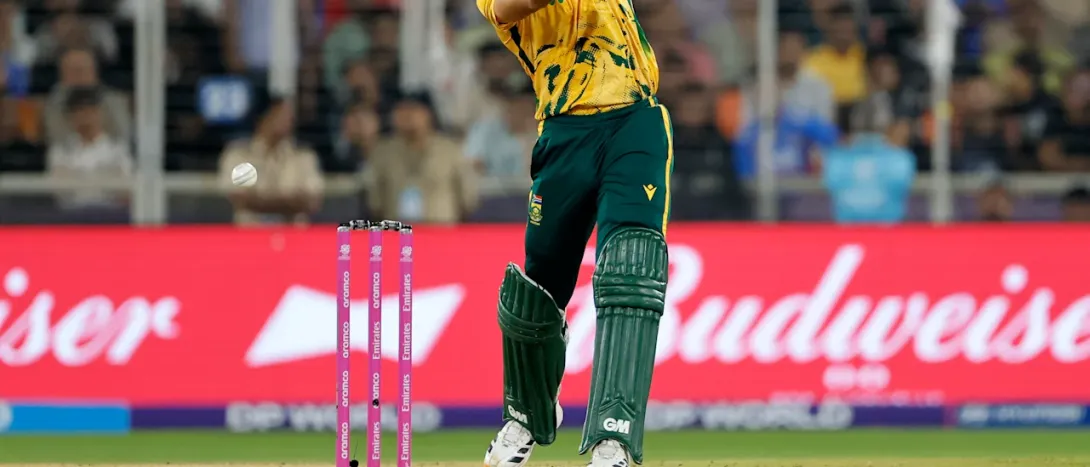
The clash between England and Scotland at the ICC Men's T20 World Cup is more than a routine group-stage fixture—it is a contest layered with sporting ambition, strategic calculation, and regional rivalry. For England, the match represents a critical step in defending their status as a global T20 powerhouse. For Scotland, it is an opportunity to disrupt the hierarchy and reinforce their credentials on the world stage. The encounter carries implications not only for points tables but also for cricket’s evolving competitive balance.
A Match Framed by Unequal Expectations
On paper, England enter the contest as clear favorites, armed with depth, experience, and a proven T20 pedigree. Their squad composition reflects a balance of explosive batting and tactical bowling, shaped by years of franchise cricket exposure and international success.
Scotland, however, approach the fixture with a different motivation. With fewer resources but growing confidence, they have consistently sought to challenge established teams through disciplined execution and fearless play.
Strategic Imperatives for England
For England, the fixture is less about experimentation and more about precision. In a tightly contested tournament, net run rate and momentum can prove decisive. As such, team management is likely to prioritize clarity of roles and intensity from the outset.
From a broader perspective, England’s performance also influences commercial narratives—strong World Cup outings reinforce brand value for players and sustain fan engagement across global markets.
Scotland’s Opportunity to Redefine Perceptions
Scotland’s recent performances have signaled steady progress, underpinned by improved domestic structures and increased international exposure. Against England, the objective extends beyond an upset; it is about demonstrating tactical maturity and resilience under pressure.
A competitive showing, even in defeat, strengthens Scotland’s case for greater inclusion in elite tournaments and funding pathways.
The Bigger Picture for Global T20 Cricket
Encounters like England versus Scotland highlight the T20 World Cup’s broader significance. The format’s volatility allows emerging teams to narrow gaps, enhancing the tournament’s unpredictability and commercial appeal.
As cricket’s shortest format continues to expand globally, such matches serve as benchmarks for how far the game’s competitive ecosystem has evolved—and where it may be headed next.
Comments