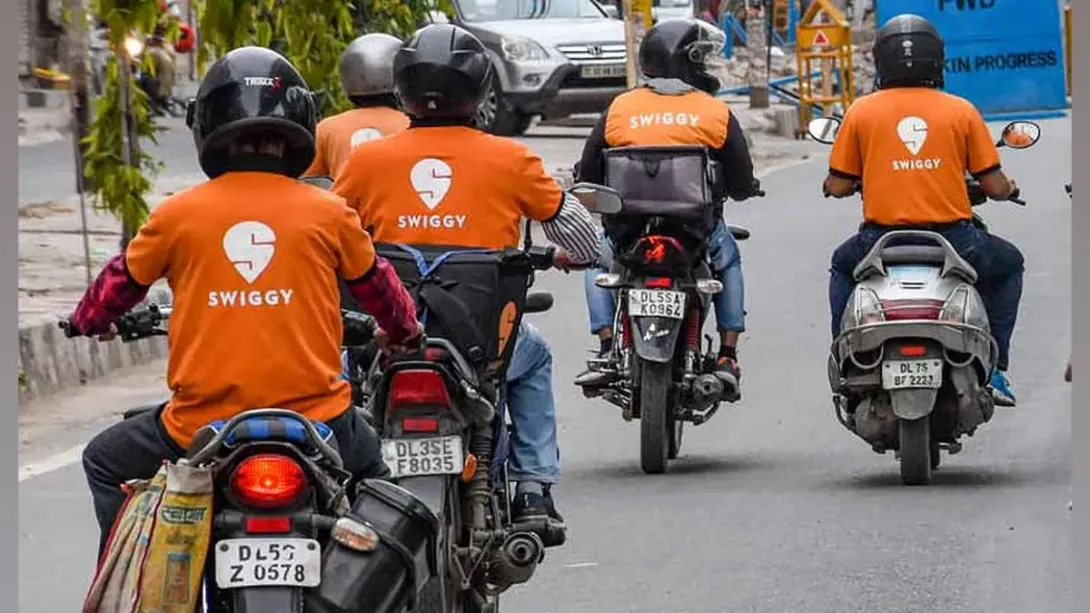
Food delivery and quick-commerce major Swiggy reported a wider loss in the third quarter, reflecting sustained investment in its Instamart business and a sharp increase in advertising and promotional expenses. While core food delivery operations showed signs of operational stability, losses at the fast-growing quick-commerce arm continued to pressure consolidated financials. Rising customer acquisition costs and intensified competition prompted higher marketing outlays, affecting near-term profitability. The results highlight Swiggy’s strategic choice to prioritize scale and market share over short-term earnings as it positions itself for long-term dominance in India’s evolving digital consumption economy.
Q3 Performance Highlights Continued Losses
Swiggy’s third-quarter performance underscored the financial strain associated with expansion-driven growth. The company reported a higher net loss compared with the previous year, driven largely by increased spending across business verticals.
Management acknowledged that while revenue traction remained steady, elevated operating costs weighed on the bottom line, particularly in newer business segments.
Instamart Remains a Major Cost Center
Instamart, Swiggy’s quick-commerce platform, continued to post significant losses during the quarter. The business remains in an investment-heavy phase, with spending focused on dark store expansion, logistics infrastructure and faster delivery capabilities.
Industry analysts note that while Instamart is gaining traction among urban consumers, the economics of rapid delivery continue to challenge profitability across the sector.
Advertising and Promotions Drive Expense Growth
Advertising and promotional expenditure rose sharply in Q3 as Swiggy intensified efforts to defend and grow market share. Increased competition in both food delivery and quick commerce prompted aggressive customer acquisition and retention campaigns.
While these initiatives supported order volumes and brand visibility, they also contributed to higher cash burn during the quarter.
Core Food Delivery Shows Operational Stability
Despite consolidated losses, Swiggy’s core food delivery business demonstrated relative stability. Order frequency and average order values remained resilient, supported by a broad restaurant network and steady urban demand.
Management indicated that efficiency improvements in delivery logistics and pricing discipline helped partially offset rising marketing costs.
Strategic Trade-Offs and Market Context
Swiggy’s financial performance reflects a broader industry trend in which platform players are prioritizing scale, ecosystem expansion and consumer engagement over immediate profitability. The company continues to invest heavily in technology, supply chains and brand building to strengthen its competitive position.
Such trade-offs, analysts argue, are typical in platform-driven markets with long-term payoff horizons.
Outlook: Path to Profitability Still Evolving
Looking ahead, Swiggy is expected to focus on improving unit economics, particularly within Instamart, while rationalizing marketing spend as markets mature. Investors will closely monitor progress on cost control, contribution margins and cash flow efficiency.
While Q3 losses highlight near-term pressures, Swiggy’s strategy suggests confidence in long-term growth potential as India’s on-demand consumption ecosystem continues to expand.
Comments