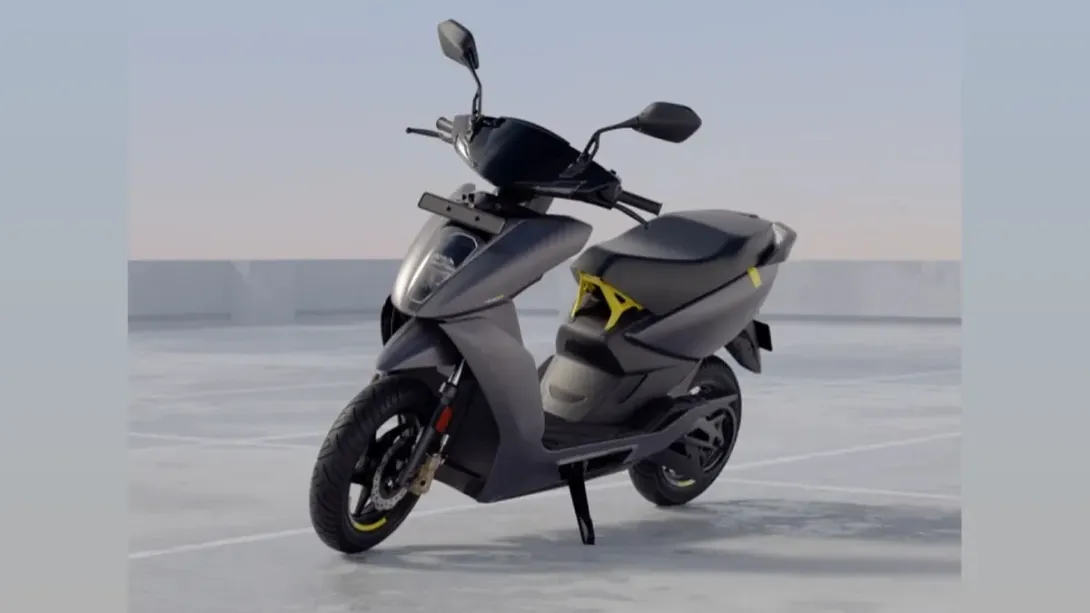
New mobility data released by electric two-wheeler maker Ather Energy offers fresh insights into urban driving behavior across India’s major cities. The analysis reveals stark contrasts in how commuters navigate congested roads, with Kolkata emerging as the city with the highest incidence of honking, while Bengaluru records the most frequent panic-braking events. The findings highlight how traffic density, road infrastructure and commuter stress shape daily mobility patterns. Beyond behavioral curiosity, the data carries implications for road safety, urban planning and the design of future mobility solutions in India’s rapidly evolving transportation landscape.
Data-Driven Insights Into Urban Mobility
Ather Energy’s latest analysis, based on anonymized vehicle usage data, sheds light on how Indian cities differ sharply in driving behavior. The study draws from real-world riding patterns of electric two-wheelers, offering a technology-backed perspective on everyday commuting challenges.
By focusing on metrics such as honking frequency and sudden braking events, the data provides a window into the stress points of urban traffic ecosystems rather than relying on anecdotal observations.
Kolkata’s Persistent Honking Culture
According to the findings, Kolkata recorded the highest frequency of honking among the cities analyzed. The trend reflects a combination of dense traffic, narrow roadways and a long-standing driving culture where horns are often used as a navigational tool rather than a warning device.
Urban planners and mobility experts note that excessive honking is often a symptom of road congestion and limited signaling discipline, raising concerns over noise pollution and commuter fatigue in high-density cities.
Bengaluru’s Surge in Panic Braking
In contrast, Bengaluru topped the charts for panic braking incidents. Frequent sudden stops point to unpredictable traffic flows, inconsistent lane discipline and the coexistence of multiple modes of transport on the same roads.
The data suggests that rapid urban expansion and ongoing infrastructure upgrades may be contributing to abrupt changes in traffic conditions, forcing riders to react quickly to avoid collisions. Such patterns have direct implications for road safety and accident prevention strategies.
Implications for Safety and Urban Planning
Ather Energy’s findings underline the need for city-specific approaches to traffic management. High honking levels call for better enforcement of noise regulations and improved road signaling, while frequent panic braking highlights the importance of smoother traffic flows and clearer lane demarcation.
From a policy perspective, data-led insights can help municipal authorities prioritize interventions, whether through infrastructure upgrades, smarter traffic systems or targeted public awareness campaigns.
Technology’s Role in Smarter Mobility
For mobility companies, behavioral data of this nature is increasingly valuable. It not only informs vehicle design—such as braking systems and rider assistance features—but also supports the broader push toward safer, more efficient urban transport.
As Indian cities grapple with rising vehicle density, such analytics-driven studies reinforce the role of technology in shaping future mobility solutions. The contrasting patterns observed in Kolkata and Bengaluru serve as a reminder that India’s urban traffic challenges are as diverse as its cities, demanding tailored and data-backed responses.
Comments