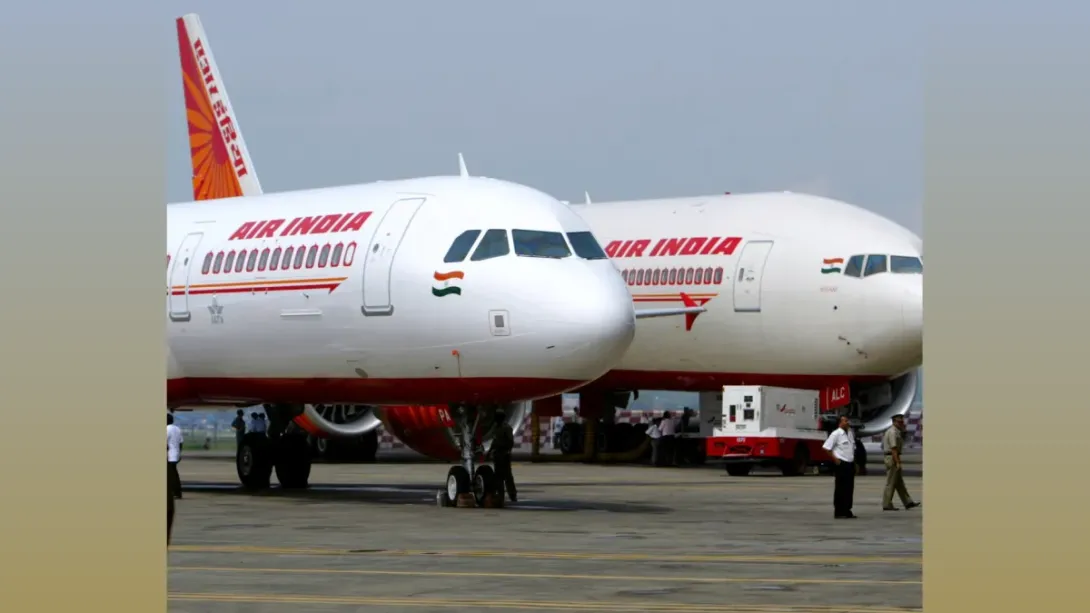
Air India has taken delivery of its first Boeing 787 Dreamliner in eight years, marking a significant milestone in the airline’s long-awaited fleet renewal program. The aircraft induction signals renewed momentum in Air India’s transformation under the Tata Group, as the carrier works to modernize operations, enhance passenger experience, and strengthen its long-haul network. The addition of the fuel-efficient wide-body jet comes amid rising international travel demand and intensified competition in global aviation markets. Industry observers view the delivery as a strategic step toward restoring Air India’s position as a leading global carrier.
Fleet Modernization Gains Traction
The arrival of the Boeing 787 Dreamliner represents a critical development in Air India’s efforts to overhaul an aging fleet. The airline had not inducted a Dreamliner since 2016, a period marked by capital constraints and deferred expansion plans. The new aircraft is expected to improve operational efficiency through lower fuel consumption and reduced maintenance costs, aligning with the carrier’s long-term sustainability and profitability goals.
Strategic Importance for Long-Haul Operations
The Dreamliner is a cornerstone of Air India’s international strategy, particularly on long-haul routes to North America, Europe, and Asia-Pacific markets. Equipped with advanced aerodynamics and modern cabin features, the aircraft enables extended range operations while offering improved passenger comfort. Analysts say the induction strengthens Air India’s ability to compete with global peers and Gulf carriers that dominate intercontinental travel.
Tata Group’s Turnaround Vision
Since returning to the Tata Group, Air India has embarked on an ambitious transformation agenda encompassing fleet renewal, service upgrades, and network rationalization. The new Dreamliner delivery is part of a broader aircraft acquisition plan aimed at standardizing the fleet and improving reliability. Management has emphasized that consistent aircraft induction is essential to restoring customer confidence and achieving operational excellence.
Industry Context and Competitive Landscape
The delivery comes at a time when global airlines are racing to expand capacity amid strong post-pandemic travel demand. However, aircraft supply constraints and manufacturing delays have posed challenges across the industry. Against this backdrop, securing a new wide-body aircraft underscores Air India’s improving access to capital and stronger positioning within global aviation supply chains.
Outlook: Building a Modern Global Carrier
Aviation experts believe the Dreamliner’s induction is a symbolic and practical step in Air India’s revival. While challenges remain in execution and service consistency, the renewed focus on fleet modernization is expected to support revenue growth and brand rebuilding. As additional aircraft join the fleet in the coming years, Air India aims to reinforce its presence on key global routes and reclaim its stature as a competitive international airline.
Comments