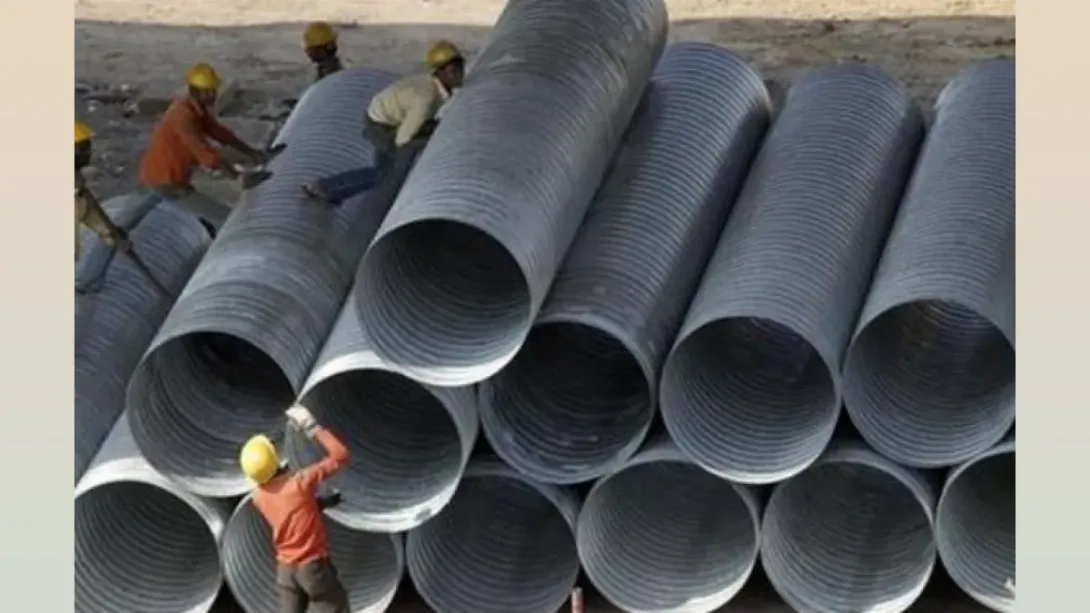
The Union Budget 2027 is expected to mark a decisive shift in India’s industrial policy by introducing targeted incentives to accelerate green steel production. As the steel sector accounts for a significant share of the country’s carbon emissions, policymakers are increasingly focused on balancing industrial growth with climate commitments. Proposed measures are likely to include financial incentives for low-emission technologies, support for hydrogen-based steelmaking, and fiscal relief for companies investing in cleaner production processes. The initiative aims to strengthen India’s global competitiveness, reduce dependence on carbon-intensive methods, and align the sector with long-term sustainability goals.
Green Steel Takes Center Stage in Budget Priorities
Budget 2027 underscores the government’s intent to place sustainability at the core of heavy industry policy. Steel, a backbone of infrastructure and manufacturing, has emerged as a critical focus area due to its high energy consumption and carbon footprint. By prioritizing green steel, the government seeks to encourage a transition from traditional blast furnace methods to cleaner alternatives such as electric arc furnaces and hydrogen-based production.
Incentive Framework to Drive Adoption of Clean Technologies
According to policy discussions, the proposed incentives may include production-linked benefits, capital subsidies, and tax concessions for companies adopting low-carbon technologies. Financial support is expected to offset the high initial costs associated with green steel projects, which have been a key barrier to adoption. Analysts believe such measures could catalyze private investment and accelerate the commercialization of emerging technologies across the sector.
Boost to Domestic Manufacturing and Global Competitiveness
The move is also aimed at enhancing India’s position in global steel markets, where demand for low-emission materials is steadily rising. Several international buyers are increasingly factoring carbon intensity into procurement decisions. By encouraging green steel production, India could secure long-term export opportunities while shielding domestic producers from future carbon border taxes and trade restrictions.
Industry Response and Investment Outlook
Industry participants have broadly welcomed the policy direction, noting that regulatory clarity and financial support are essential for long-term planning. Large steelmakers are already exploring pilot projects involving renewable energy integration and green hydrogen. Budgetary incentives could accelerate these initiatives and attract fresh capital into the sector, including from global investors focused on environmental, social, and governance (ESG) compliance.
Long-Term Implications for Climate and Growth
Beyond immediate industrial benefits, incentives for green steel production align with India’s broader climate commitments and net-zero ambitions. While the transition will require sustained policy support and technological innovation, Budget 2027 could lay the foundation for a cleaner, more resilient steel industry. Analysts view the initiative as a strategic step toward harmonizing economic growth with environmental responsibility.
Comments