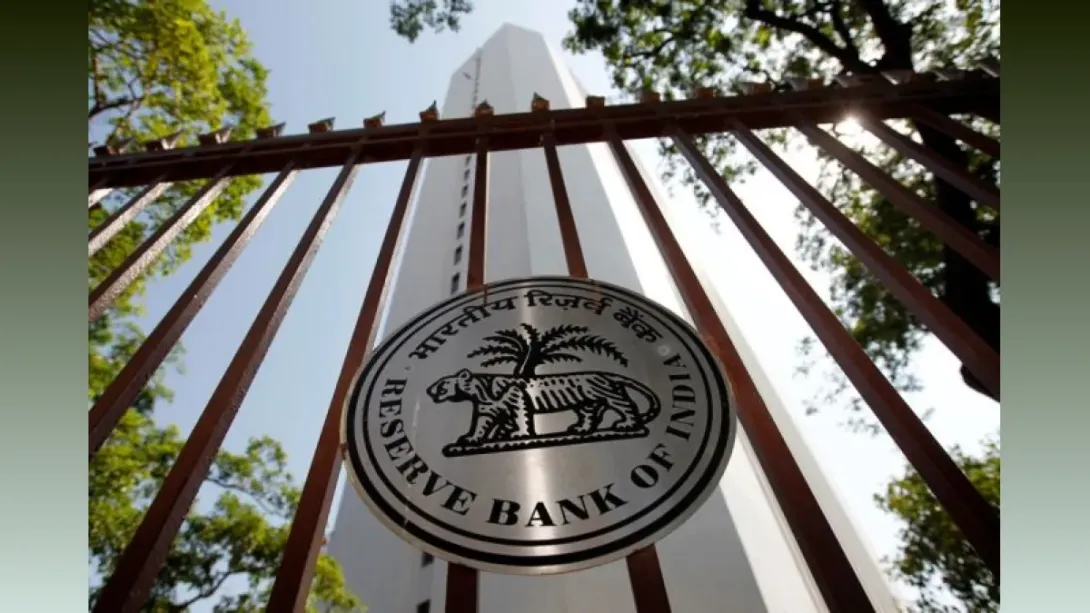
The Reserve Bank of India is expected to adopt a more accommodative policy stance in 2026, with potential interest rate cuts and regulatory relaxations designed to support economic growth. As inflation shows signs of moderation and macroeconomic stability improves, the central bank appears poised to shift from a prolonged focus on price control toward growth facilitation. Analysts anticipate targeted measures to improve liquidity, ease credit conditions, and stimulate investment without compromising financial stability. The evolving policy outlook reflects the RBI’s effort to balance inflation management with the need to sustain India’s growth momentum in a challenging global environment.
Shifting Monetary Policy Stance
After an extended period of tight monetary conditions, the RBI is widely expected to pivot toward policy easing in 2026. Slowing inflationary pressures and stable macroeconomic indicators have created room for a reassessment of interest rate strategy.
Economists suggest that any rate cuts are likely to be gradual and data-driven, aimed at supporting demand while preserving the credibility of the inflation-targeting framework. The central bank’s communication will remain cautious, signaling intent without encouraging excessive risk-taking.
Regulatory Relaxations to Support Credit Flow
Alongside rate adjustments, the RBI may introduce selective regulatory relaxations to improve credit availability. Measures under consideration include easing liquidity norms for banks, refining risk-weight requirements, and providing targeted support to sectors critical for employment and investment.
Such steps are expected to enhance lending capacity, particularly for small and medium enterprises, which play a vital role in economic expansion. Analysts note that regulatory fine-tuning, rather than broad-based loosening, is likely to define the RBI’s approach.
Focus on Growth Without Sacrificing Stability
The central bank’s policy outlook for 2026 underscores a renewed emphasis on growth facilitation. Infrastructure financing, manufacturing, and capital-intensive sectors are expected to benefit from improved borrowing conditions.
At the same time, the RBI remains mindful of financial stability risks. Supervisory oversight is expected to remain robust, ensuring that credit growth does not come at the expense of asset quality or systemic resilience.
Market and Economic Implications
Financial markets are closely tracking signals of policy easing, with bond yields and equity valuations sensitive to expectations of rate cuts. A supportive monetary environment could improve investment sentiment and lower funding costs for businesses.
However, analysts caution that external factors—such as global interest rate movements and commodity price volatility—will continue to influence policy decisions. The RBI’s challenge in 2026 will be to deliver growth-supportive measures while maintaining macroeconomic discipline in an uncertain global landscape.
Comments