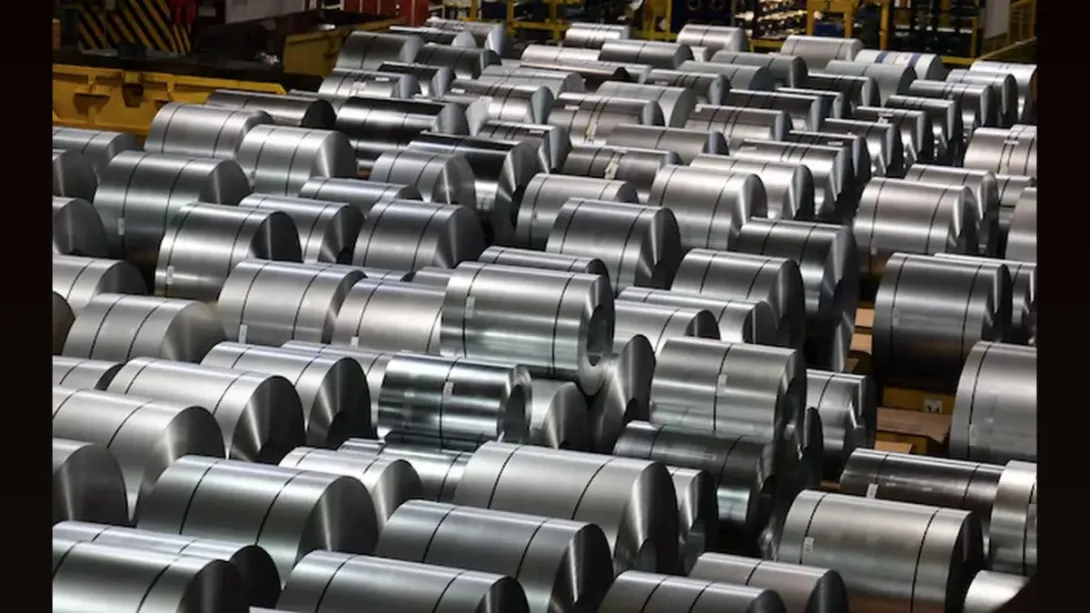
India has escalated a trade dispute with the European Union by challenging safeguard measures imposed on ferro-alloy imports at the World Trade Organization. The move reflects New Delhi’s growing willingness to defend its export interests against what it views as protectionist trade barriers. Ferro-alloys, a critical input for the steel industry, form an important component of India’s outbound shipments to Europe. Indian officials argue that the EU’s restrictions lack adequate justification and violate multilateral trade rules. The challenge underscores rising friction in global trade as countries seek to shield domestic industries amid slowing demand and heightened economic uncertainty.
Dispute Over Safeguard Measures
India has formally questioned the European Union’s decision to impose safeguard duties on ferro-alloy imports, contending that the measures are inconsistent with WTO norms. Safeguard actions are intended to offer temporary relief to domestic industries facing sudden import surges, but India maintains that EU producers have not demonstrated the level of injury required under international trade law.
According to trade experts, the case centers on whether the EU followed due process in establishing a causal link between imports and harm to its domestic industry.
Importance of Ferro-Alloys to India’s Export Basket
Ferro-alloys are essential raw materials used in steelmaking, enhancing strength, durability and corrosion resistance. India is among the world’s significant producers and exporters of these alloys, benefiting from abundant raw materials and competitive manufacturing costs.
The EU represents a key market for Indian exporters, and any prolonged restrictions could affect capacity utilization, export revenues and employment across allied sectors.
India’s Legal and Strategic Argument
By approaching the WTO, India is signaling that it views the EU’s action as more than a routine trade defense measure. Officials argue that the safeguards appear to extend beyond permissible limits and may amount to disguised protectionism.
Trade analysts note that India is likely to stress the absence of an unforeseen surge in imports, a core requirement for invoking safeguard measures under WTO agreements.
Broader Trade Implications
The dispute comes at a time when global trade tensions are resurfacing, driven by weak demand, overcapacity and geopolitical uncertainty. Many economies are increasingly resorting to trade remedies to protect domestic industries, raising concerns about a gradual erosion of the multilateral trading system.
For India, the challenge aligns with its broader strategy of asserting its rights within global trade institutions while pushing back against measures that restrict market access.
Outlook: A Test Case for Trade Rules
While WTO dispute resolution proceedings can be lengthy, the outcome could carry implications beyond ferro-alloys. A ruling in India’s favor may deter similar safeguard actions, while an adverse decision could embolden importing nations to adopt stricter trade defenses.
Either way, the case highlights India’s evolving posture as a more assertive participant in global trade governance, seeking to balance export growth with adherence to international rules.
Comments