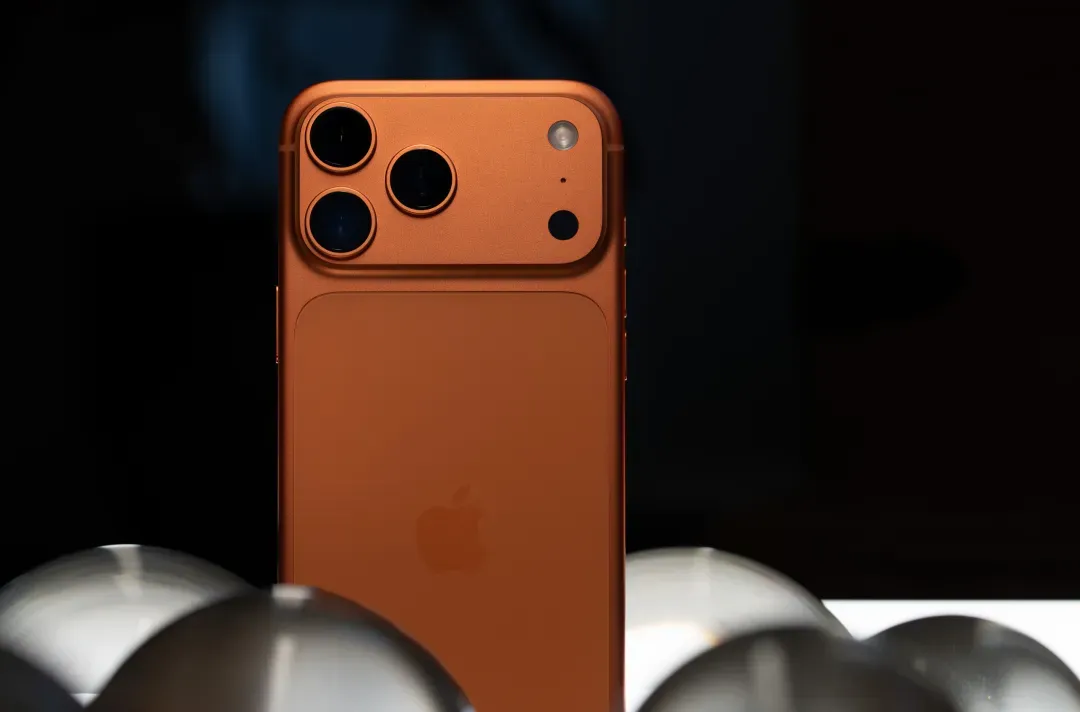
Apple’s next-generation iPhone 17 Pro is expected to bring a range of hardware and software upgrades, but one notable omission is drawing attention: the absence of Night Mode for portrait photography. Despite the Pro line’s emphasis on advanced imaging capabilities, early information suggests that users may not be able to capture low-light portraits with the enhanced clarity and depth typically provided by Night Mode. This potential gap is raising questions among photography enthusiasts, especially as rival smartphone makers double down on computational photography. The iPhone 17 Pro may still deliver strong camera improvements, but the missing feature could influence buyer sentiment.
Apple’s Imaging Strategy Faces Scrutiny
Even as anticipation builds around Apple’s forthcoming iPhone 17 Pro series, insiders indicate that the device might launch without Night Mode support for portrait shots. The feature, which enhances low-light imaging by extending exposure times and deploying advanced computational algorithms, has become standard across premium smartphones. Its omission on a flagship device signals an unexpected strategic choice by Apple, particularly in an era when nighttime portraiture is a key benchmark of mobile camera performance.
Night Mode in portrait photography has long been appreciated for its ability to highlight subjects while preserving background detail and natural skin tones. Without it, users may experience suboptimal depth effects and increased noise in darker environments. This could challenge Apple’s long-standing reputation for delivering industry-leading camera consistency across lighting conditions.
Hardware Advances, Software Limitations
The iPhone 17 Pro is rumored to debut with significant camera hardware enhancements, including sensor upgrades, improved aperture settings, and refined image stabilization. Early reports suggest Apple is prioritizing broader optical improvements instead of software-driven enhancements for select modes.
However, the lack of Night Mode for portrait images stands out, as the feature relies more on computational processing than sensor specifications alone. Apple’s choice may indicate internal constraints, a phased rollout, or a deliberate shift in its imaging roadmap. Observers believe the company could reserve the functionality for a later software update or a future model, though no confirmation has been provided.
Competitive Pressure from Android Flagships
In contrast, leading Android manufacturers have continued to push boundaries in low-light portrait photography. Brands such as Samsung, Google, and Vivo now offer AI-enhanced portrait modes that excel in challenging night conditions, giving them a competitive edge in specific camera categories.
If Apple proceeds without Night Mode portrait support, the iPhone 17 Pro could fall behind rivals in an area increasingly valued by content creators and casual photographers. While Apple’s ecosystem and overall camera reliability remain strong differentiators, targeted feature gaps can influence customer perception—especially among photography-focused buyers.
Potential Consumer Impact and Market Outlook
The iPhone 17 Pro will still likely attract substantial demand, backed by Apple’s loyal user base and broader feature improvements expected across the device. Nonetheless, camera-centric consumers may question the omission, particularly as smartphone photography becomes a decisive factor in upgrade cycles.
If Apple indeed releases the model without Night Mode portraits, the company may rely on its historically strong image processing pipeline to compensate through other modes and enhancements. However, the decision highlights how even a single missing feature can shape market conversations about premium smartphones.
Comments