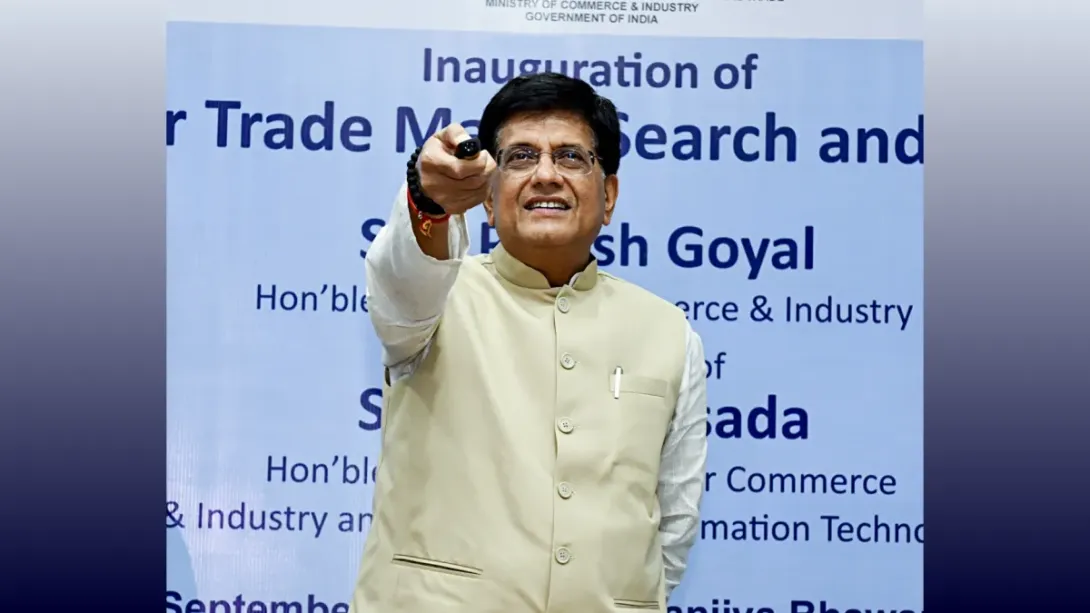
India and Australia are advancing negotiations toward a comprehensive trade agreement aimed at deepening bilateral economic cooperation and expanding market access across goods and services. Building on the foundation of the Economic Cooperation and Trade Agreement (ECTA) signed in 2022, both nations are now working toward a broader Comprehensive Economic Cooperation Agreement (CECA). The discussions, which cover sensitive sectors such as agriculture, mining, education, and digital trade, reflect a shared commitment to strengthening supply chains and promoting sustainable economic growth. If concluded, the CECA could substantially enhance trade flows, investment confidence, and strategic alignment between two major Indo-Pacific economies.
Momentum Toward a Comprehensive Economic Pact
Negotiations between India and Australia have entered an advanced phase as both countries seek to finalize a Comprehensive Economic Cooperation Agreement (CECA)—a landmark deal that would expand on the limited-scope ECTA currently in force. Officials from both sides have expressed optimism, noting significant progress across key areas of market access, tariff rationalization, and services liberalization.
The CECA aims to remove remaining trade barriers, promote investment, and establish a more predictable regulatory framework for businesses. The agreement is expected to address long-standing concerns related to tariffs on agricultural commodities, visa mobility for skilled professionals, and digital trade governance.
Building on a Strong Bilateral Trade Foundation
Since the implementation of the ECTA in December 2022, trade between India and Australia has witnessed a robust expansion. Bilateral trade has already surpassed USD 25 billion, driven by strong growth in sectors such as minerals, pharmaceuticals, education, and IT services.
Australia has emerged as a key supplier of critical minerals—particularly lithium and cobalt—essential for India’s electric vehicle and renewable energy ambitions. Meanwhile, Indian firms have strengthened their footprint in Australia’s services and technology ecosystem, creating a mutually reinforcing trade relationship.
Officials from both countries acknowledge that the next stage—through CECA—will institutionalize these gains and lay the groundwork for sustained, long-term cooperation across multiple sectors.
Focus Areas: Services, Mobility, and Innovation
A major component of the ongoing negotiations involves services trade and skilled workforce mobility, an area where India seeks greater concessions. The CECA discussions focus on improving visa access for Indian professionals in sectors such as information technology, education, and healthcare.
Conversely, Australia is keen on securing deeper access for its agricultural and mining exports while ensuring alignment on digital trade and data protection standards. Both sides have also initiated dialogues on innovation partnerships, particularly in clean energy, AI, cyber security, and critical technologies, to support future-oriented trade diversification.
Analysts note that these measures would significantly enhance the competitiveness of both economies while fostering innovation-driven growth.
Strategic and Geopolitical Significance
Beyond economics, the proposed CECA holds strategic weight in the broader Indo-Pacific context. Both nations are part of the Quad alliance—alongside Japan and the United States—and share a vision of building secure, sustainable, and resilient supply chains that reduce dependence on single-market sources.
By advancing a bilateral trade pact, India and Australia aim to strengthen their roles as democratic, rule-based trading partners that can support regional stability and economic inclusiveness. The agreement also complements India’s efforts to deepen engagement with developed economies while maintaining its strategic autonomy in global trade negotiations.
Challenges and Outlook
Despite the progress, some issues remain under discussion. Agricultural tariffs, rules of origin, and intellectual property provisions continue to require careful balancing to safeguard domestic interests on both sides. India is particularly cautious about protecting its dairy and agriculture sectors, while Australia seeks broader access for its exports.
However, negotiators from both governments have indicated a shared determination to conclude the CECA “at the earliest possible date.” Industry bodies in both countries have also expressed optimism, viewing the pact as a catalyst for a new phase of trade liberalization and cross-border investment.
Conclusion: A New Chapter in Indo-Australian Partnership
The ongoing trade talks between India and Australia signify more than just tariff negotiations—they represent a deepening of strategic trust and economic interdependence between two dynamic democracies. With complementarities in resources, technology, and human capital, the CECA has the potential to redefine the trajectory of bilateral relations.
As both nations navigate a shifting global trade landscape, a successful conclusion to the agreement would send a powerful signal: that pragmatic cooperation, grounded in shared values and mutual benefit, can create sustainable prosperity across the Indo-Pacific region.
Comments