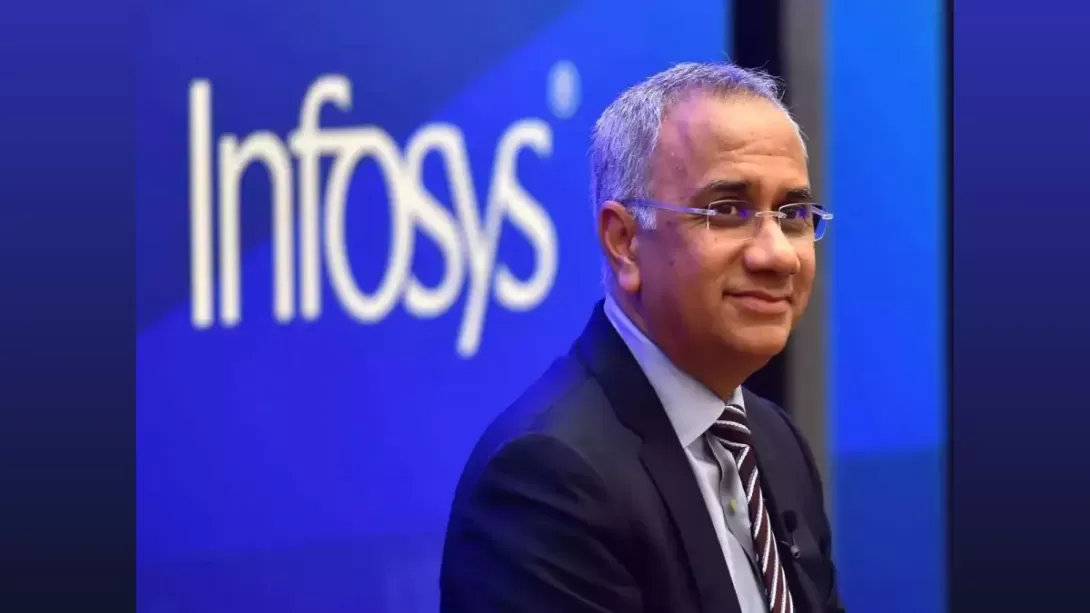
In the fiscal year 2024–25, Infosys CEO and Managing Director, Salil Parekh, received a total compensation of ₹80.62 crore, marking a 21.6% increase from the previous year. This remuneration comprises a base salary, performance bonuses, and substantial gains from stock options. Despite a modest rise in the company's net profit and a slight dip in quarterly earnings, Parekh's compensation underscores Infosys's commitment to rewarding leadership excellence. The company's strategic focus on artificial intelligence and digital transformation continues to drive its growth trajectory.t
1. Breakdown of Salil Parekh's FY25 Compensation
In FY25, Salil Parekh's remuneration included:
- Base Salary: ₹7.45 crore
- Retiral Benefits: ₹49 lakh
- Performance Bonus: ₹23.18 crore
- Stock Options: ₹49.5 crore, resulting from the exercise of 3,06,276 Restricted Stock Units (RSUs) granted under the company's incentive plans.
These figures reflect Infosys's strategy to align executive compensation with long-term shareholder value.
2. Comparative Analysis with Industry Peers
Parekh's compensation positions him among the highest-paid executives in India's IT sector. In contrast, Tata Consultancy Services (TCS) CEO K Krithivasan earned ₹26.52 crore in FY25, while Wipro CEO Srinivas Pallia's remuneration was approximately ₹50 crore. This disparity highlights Infosys's approach to incentivizing leadership in a competitive industry.
3. Infosys's Financial Performance in FY25
Infosys reported a net profit of ₹26,713 crore for FY25, a 1.8% increase from the previous year. Revenue rose by 6.06% to ₹1,62,990 crore, surpassing the company's guidance of 4.5–5%. However, the fourth quarter saw a slight decline in profit by 11.75% year-on-year, attributed to global economic uncertainties and evolving market dynamics.
4. Strategic Initiatives and Future Outlook
Under Parekh's leadership, Infosys has intensified its focus on artificial intelligence and digital transformation. The company is developing AI agents to enhance productivity in IT operations and data management. Chairman Nandan Nilekani emphasized the importance of modernizing legacy systems and building scalable AI infrastructure to capitalize on future opportunities. Despite a challenging business environment, Infosys remains committed to innovation and sustainable growth.
5. Governance and Leadership Transparency
In a notable move, Infosys Chairman Nandan Nilekani voluntarily chose not to receive any remuneration for his services rendered to the company. This decision underscores the company's commitment to governance and aligns with its long-term strategic vision.
Conclusion:
Salil Parekh's FY25 compensation package reflects Infosys's strategy to attract and retain top-tier leadership in a competitive global market. While the company faces external challenges, its focus on innovation and strategic growth initiatives positions it well for sustained success. The alignment of executive compensation with long-term performance underscores Infosys's commitment to delivering value to its shareholders and stakeholders.
Comments