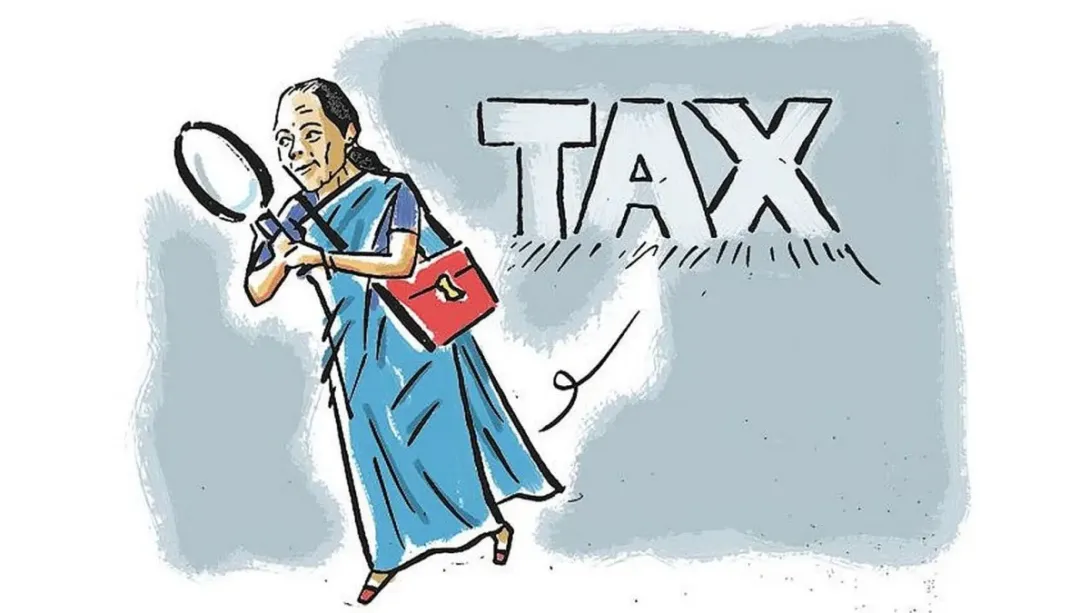
The Federation of Associations of Cottage and Small Industries of India (FACSI) has called on the government to introduce focused fiscal and policy support for micro and small enterprises in the Union Budget 2026–27. Citing rising input costs, tight credit conditions and uneven demand recovery, the industry body stressed that smaller businesses remain under sustained financial pressure. FACSI’s recommendations span tax relief, easier access to affordable credit and measures to improve cash flows. The appeal highlights the critical role played by micro and small enterprises in employment generation and grassroots economic stability, positioning Budget 2026–27 as a pivotal opportunity for targeted intervention.
Industry Concerns Ahead of the Budget
As preparations for the Union Budget 2026–27 gather momentum, FACSI has urged policymakers to place micro and small enterprises at the center of fiscal planning. According to the association, while headline economic indicators suggest resilience, conditions on the ground for smaller businesses remain challenging.
Persistent cost pressures, delayed payments and higher borrowing costs have constrained working capital, limiting the ability of enterprises to scale operations or invest in modernization.
Call for Tax and Compliance Relief
FACSI has advocated rationalization of tax structures affecting micro and small enterprises, arguing that compliance burdens disproportionately impact smaller firms. Simplified filing procedures and targeted tax relief, the association said, would free up managerial bandwidth and improve profitability.
The industry body also highlighted the need for timely refunds and clearer compliance timelines to ease cash-flow stress, particularly for enterprises operating on thin margins.
Credit Access and Interest Cost Pressures
Access to affordable finance remains a central concern. FACSI has recommended enhanced credit guarantee coverage, interest subvention schemes and faster loan disbursals through public sector banks and non-banking financial companies.
With interest rates remaining elevated, smaller firms have found it increasingly difficult to refinance existing loans or secure fresh capital for expansion. The association argued that targeted credit measures could help restore confidence and stimulate investment at the grassroots level.
Strengthening Demand and Market Linkages
Beyond fiscal support, FACSI has emphasized the importance of demand-side measures. It called for greater government procurement from micro and small enterprises and improved market access through digital platforms and export facilitation.
Such steps, the body noted, would not only support revenues but also integrate smaller firms more deeply into formal supply chains, enhancing long-term sustainability.
A Budget With Broader Economic Implications
Economists note that supporting micro and small enterprises carries multiplier effects for the wider economy. These businesses account for a significant share of employment and play a vital role in regional development.
As the government finalizes its Budget 2026–27 blueprint, FACSI’s appeal underscores the need for targeted, well-calibrated measures. Effective relief for micro and small enterprises could strengthen economic resilience, boost employment and reinforce inclusive growth at a time of global uncertainty.
Comments