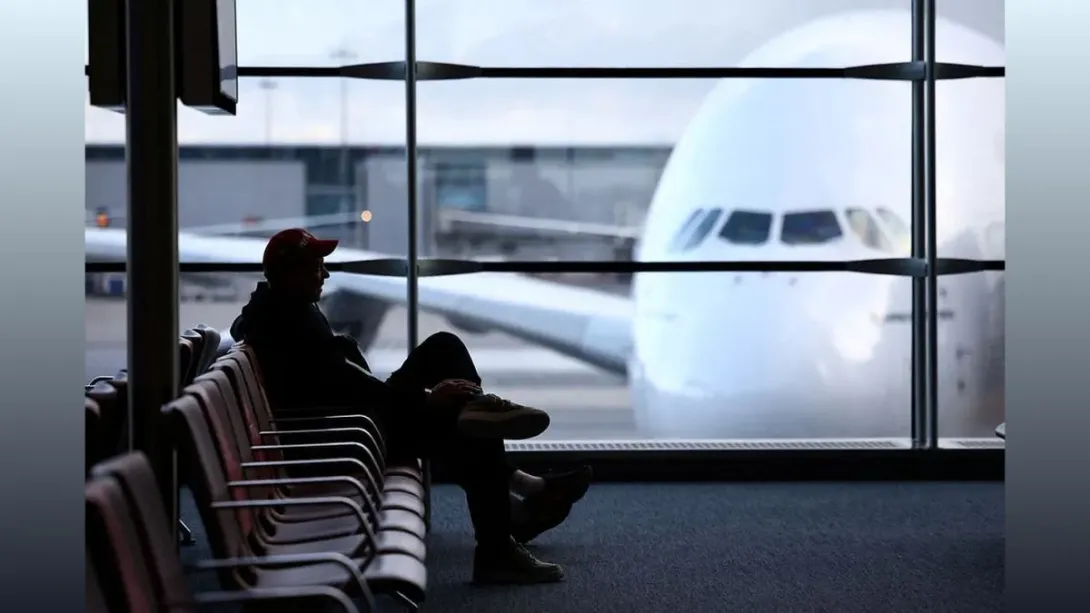
Raipur’s Swami Vivekananda Airport witnessed an unexpected wave of IndiGo flight cancellations, leaving passengers scrambling for alternative travel arrangements and prompting widespread frustration. The abrupt disruptions, occurring without clear advance communication, caused significant delays and overcrowding at airport counters. While the airline cited “operational reasons,” the episode has reignited concerns over capacity planning and service reliability within India’s rapidly expanding aviation market. As travellers voiced dissatisfaction and sought refunds or rebooking options, industry observers emphasized the need for stronger communication protocols and more resilient scheduling practices to prevent cascading disruptions across regional airports that depend heavily on high-frequency carriers.
Sudden Disruptions Leave Passengers Stranded
A series of IndiGo cancellations at Raipur Airport created widespread confusion among travellers, many of whom arrived at the terminal only to discover their flights had been withdrawn from the schedule. Several passengers reported receiving late notifications, while others learned of the cancellations at check-in counters, prompting long queues and heightened tensions across the departure hall.
Travellers scheduled for business meetings, medical appointments, and intercity connections were among the hardest hit. Those relying on same-day travel had little time to secure alternatives, forcing many to delay or abandon time-sensitive commitments.
Operational Challenges Trigger Cascading Delays
IndiGo cited unspecified “operational reasons” for the series of cancellations. Industry analysts suggest that such disruptions may stem from crew shortages, aircraft rotation constraints, or technical inspections requiring immediate attention. In tightly packed flight schedules—common across India’s domestic network—even minor disruptions can cause ripple effects that impact multiple destinations.
Raipur, a growing hub for central India, often faces strain when high-frequency carriers encounter operational bottlenecks. With limited spare aircraft stationed at regional airports, any unplanned grounding can lead to chain reactions that affect several consecutive flights.
Airport Infrastructure Faces Additional Pressure
The sudden flight withdrawals not only impacted passengers but also placed considerable pressure on Raipur Airport’s ground operations. Help desks were overwhelmed with refund and rebooking requests, and airport staff struggled to manage the spike in footfall as passengers sought clarification.
Local transportation services also saw unexpected demand, with intercity taxis and bus operators receiving urgent last-minute bookings. Hotels near the airport reported increased inquiries from stranded passengers who opted to delay their travel until the next available flight.
IndiGo Issues Apology, Initiates Rebooking Measures
The airline extended an apology to affected travellers and stated that customer support teams were working to accommodate passengers on alternative flights. Refunds were issued for those unwilling or unable to reschedule. However, several travellers expressed dissatisfaction with delayed communication and inconsistent guidance from support channels.
Aviation experts note that while cancellations are occasionally unavoidable, timely communication and robust contingency planning are essential to maintain customer trust, especially for airlines that dominate domestic market share.
A Broader Reflection on India’s Aviation Reliability
The Raipur incident has revived conversations about operational stability in India’s aviation sector. As airlines expand rapidly to meet rising demand, gaps in manpower planning, maintenance scheduling, and capacity management become more visible. Regional airports, where resources are comparatively limited, tend to bear the brunt of sudden disruptions.
Analysts suggest that airlines should invest more heavily in operational buffers, better predictive planning tools, and enhanced communication platforms to minimize passenger inconvenience. The Raipur cancellations underline the fragility of tightly timed flight networks and the need for improved resilience.
Outlook: Strengthening Passenger Confidence
While IndiGo is expected to stabilize its schedules in the coming days, the episode serves as a reminder of the importance of transparent communication and robust planning in a fast-growing aviation market. Passengers increasingly expect real-time updates, flexible rebooking options, and dependable service—elements that airlines must prioritize to earn and retain customer loyalty.
Comments