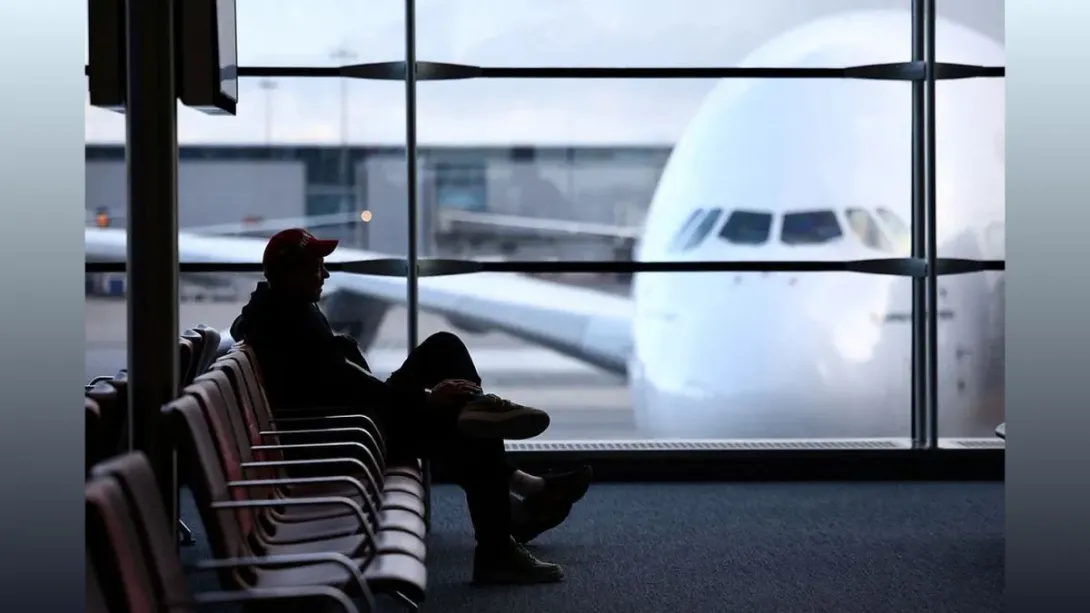
The budget carrier IndiGo remains mired in chaos, marking a seventh straight day of mass flight cancellations, with Bengaluru’s Kempegowda International Airport bearing the brunt. The disruption, triggered by new crew-rest regulations under DGCA, has exposed critical failures in roster planning and resource management. The ripple effects include mounting refunds, stranded passengers, regulatory scrutiny, shareholder unease, and reputational damage. As IndiGo scrambles to restore operations, the episode raises serious questions about systemic resilience in India’s aviation industry.
A Full Week of Disruption — Bengaluru at the Epicenter
IndiGo’s operational breakdown entered its seventh consecutive day as Bengaluru witnessed widespread flight terminations. The airline reportedly cancelled dozens of flights to and from Kempegowda International Airport, leaving thousands of travellers stranded and triggering widespread frustration among passengers. Airports across major cities faced increasing congestion, as cancellations spread beyond Bengaluru, compounding the disruption. Travellers recounted long waits, chaotic communication, and limited clarity on rebooking or refunds — aggravating what had already become an unprecedented crisis.
What Went Wrong: Regulatory Compliance Meets Operational Complacency
At the heart of the collapse lies the enforcement of revised crew-rest and flight-duty time regulations mandated by DGCA. These new rules, designed to enhance safety by limiting pilot/crew working hours and enforcing stricter rest periods, required airlines to re-engineer staffing and scheduling models. While the regulatory change was well publicised in advance, IndiGo’s schedule-planning failed to adapt.
Insiders point to a chronically lean pilot roster, maintained via extended hiring freezes, pay stagnation, and restrictive non-poaching covenants — even as IndiGo expanded route footprints and flight frequencies. With limited buffer capacity, the airline lacked flexibility when the new duty-time limitations took effect. The result: a sudden, systemic inability to meet scheduled flights when crew availability plunged.
Compounding the crisis were external factors: increased winter-season demand, unpredictable weather conditions, and residual backlog from earlier delays — all of which magnified the impact of crew-shortage.
Regulatory and Financial After-Shock: DGCA Scrutiny and Market Repercussions
In response to the operational debacle, DGCA issued a show-cause notice to IndiGo’s top management, demanding a detailed explanation for the “significant lapses in planning, oversight and resource management.” The notice underscores the seriousness of the infractions and signals potential regulatory consequences if IndiGo fails to restore regular operations and address passenger grievances.
On the financial front, investor sentiment turned hostile. Market analysts flagged the airline’s governance lapses and questioned the sustainability of its low-cost, lean-staffed model. The panic triggered a steep decline in the company’s share value, eroding a substantial portion of its market capitalization, and undermining confidence in what was once viewed as a stable high-growth stock.
Human Cost: Passenger Discontent, Refunds, and Trust Deficit
For many travellers, the crisis transcended mere inconvenience — it became a personal ordeal. Families on holiday, business passengers with tight schedules, elderly travellers — many were left stranded, forced into last-minute rebookings or alternate travel plans, often at inflated fares.
Estimates suggest that refunds and compensation claims have already ballooned into hundreds of crores of rupees, with many passengers still awaiting dues for cancelled bookings, baggage delays, and additional expenses incurred. The lack of timely resolution and transparent communication has eroded public trust, and fueled widespread criticism of IndiGo’s customer service protocols.
Industry Implications: Why the Crisis Should Concern All Stakeholders
This collapse at IndiGo is more than a company-specific breakdown — it serves as a cautionary tale for India’s aviation ecosystem. The predominance of a single carrier across high-demand routes already concentrates operational risk. When that carrier’s internal inefficiencies are exposed by regulatory shifts, the entire network becomes vulnerable.
For airlines: the crisis underscores that aggressive expansion under lean staffing, while profitable in calm conditions, becomes dangerously brittle in times of regulatory change or demand surges. For regulators: it highlights the need for proactive monitoring of airline compliance and backup-capacity readiness. For travellers and consumer advocates: it reinforces the urgency of enforceable passenger-rights norms, transparent communication requirements, and guaranteed refund protocols.
The Road Ahead: Repairing Infrastructure — and Reputation
Immediate steps for IndiGo must include a complete overhaul of rostering and recruitment to ensure compliance with duty-time regulations, robust contingency planning, and improved passenger communication mechanisms. Transparent timelines for refunds and rebooking, along with proactive outreach to affected customers, will be critical to begin rebuilding trust.
Longer-term, the airline industry in India may need to rethink the low-cost, lean-staffed model fundamentally. A shift towards operational resilience — prioritizing backup capacity, crew welfare, and regulatory compliance over short-term cost savings — may prove essential.
For policymakers and regulators, the current meltdown offers a strategic opportunity: to enforce stricter oversight, mandate minimum staffing cushions, and safeguard against future systemic breakdowns.
Comments