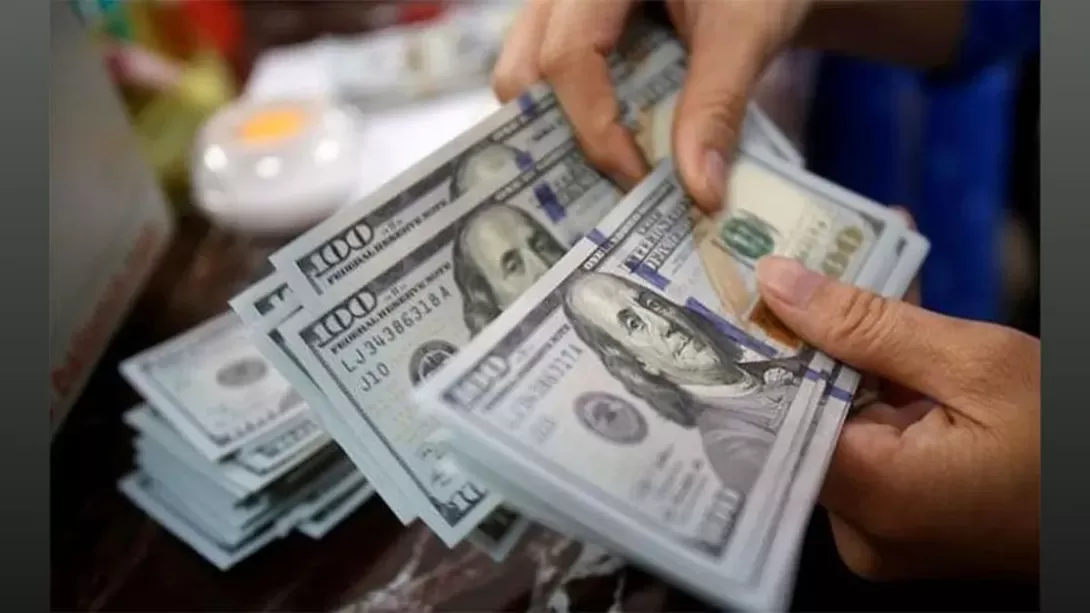
India's foreign exchange reserves reached USD 686.145 billion for the week ending April 18, marking an increase of USD 8.31 billion. This marks the seventh consecutive week of growth in the country's forex reserves, further strengthening its financial position. The rise was driven by a significant jump in foreign currency assets and gold reserves. As India's forex reserves inch closer to their all-time high, the data showcases the continued resilience of the Indian economy in maintaining strong liquidity buffers amidst global uncertainties.
Forex Reserves Continue Their Upward Trajectory
India's foreign exchange reserves saw a notable increase of USD 8.31 billion, reaching USD 686.145 billion for the week ended April 18, 2025, according to the Reserve Bank of India (RBI). This surge marks the seventh consecutive week of growth in the country's reserves, further reinforcing India’s economic stability. This consistent rise reflects the country's effective monetary management amidst global financial volatility and highlights its ability to accumulate foreign exchange reserves despite challenging global conditions.
In comparison, the previous week (ended April 11, 2025) saw a more modest increase of USD 1.567 billion, with reserves reaching USD 677.835 billion. The steady increase over several weeks demonstrates India's robust economic fundamentals, with reserves now comfortably positioned just below the record high of USD 704.885 billion reached in September 2024.
The Key Drivers: Foreign Currency Assets and Gold Reserves
A significant portion of the increase in reserves is attributed to the rise in foreign currency assets, which surged by USD 3.516 billion to USD 578.495 billion. Foreign currency assets, which form a key component of India's forex reserves, represent the value of reserves held in non-US dollar currencies such as the euro, pound, and yen. The value of these assets is affected by fluctuations in exchange rates, adding a dynamic element to India’s foreign reserve management.
In addition to foreign currency assets, India’s gold reserves also saw a strong uptick, rising by USD 4.575 billion to USD 84.572 billion during the reporting week. This increase in gold reserves reflects the global trend of central banks diversifying their portfolios into gold, a traditional safe haven asset that helps hedge against market volatility.
Other Components of the Reserve Position
Alongside foreign currency assets and gold, India’s Special Drawing Rights (SDRs), an international reserve asset created by the International Monetary Fund (IMF), also increased by USD 212 million to USD 18.568 billion during the week. SDRs play a critical role in enhancing a country’s global liquidity position and offer additional resources during economic stress or market disruptions.
Additionally, India’s reserve position with the IMF rose by USD 7 million, reaching USD 4.51 billion during the same period. The reserve position reflects India’s participation in the IMF’s financial structure and adds to its overall liquidity.
Implications for India's Financial Health
The consistent rise in India's forex reserves is a clear indicator of the country’s financial resilience. The increase in reserves boosts India’s ability to manage external shocks, such as fluctuations in global commodity prices, capital outflows, and foreign exchange rate volatility. A robust reserve position also enhances investor confidence, making India a more attractive destination for foreign investment.
Furthermore, the steady accumulation of reserves provides the Indian government and the RBI with the financial flexibility to intervene in the foreign exchange market if required, ensuring that the value of the Indian rupee remains stable. This is particularly crucial as India continues to navigate the complexities of global economic uncertainties and domestic growth challenges.
Looking Ahead: Sustainability and Challenges
While the recent surge in India’s forex reserves is promising, the outlook for future growth remains contingent upon several global and domestic factors. Global economic conditions, including shifts in commodity prices, changes in US monetary policy, and the overall health of the global financial system, will play a significant role in determining the trajectory of India’s reserves. Additionally, the volatility of currency markets and the evolving geopolitical landscape will continue to test India’s ability to maintain this growth momentum.
Despite these challenges, India’s rising forex reserves reflect a well-managed and diversified approach to building a financial buffer, positioning the country well to handle external pressures and economic fluctuations. As India continues to enhance its economic standing, the ability to maintain a strong forex reserve position will be critical in its journey towards becoming a more resilient and prosperous economy.
Conclusion
India’s foreign exchange reserves have been steadily climbing, with the latest data showing a significant increase of USD 8.31 billion for the week ended April 18, 2025. With a total of USD 686.145 billion, the country’s reserves are nearing their historic peak, bolstered by rising foreign currency assets and gold reserves. This consistent growth reflects India's economic stability and its strategic reserve management amidst global economic challenges. Moving forward, maintaining this momentum will be essential for safeguarding India’s financial health and its ability to weather future global uncertainties.
Comments