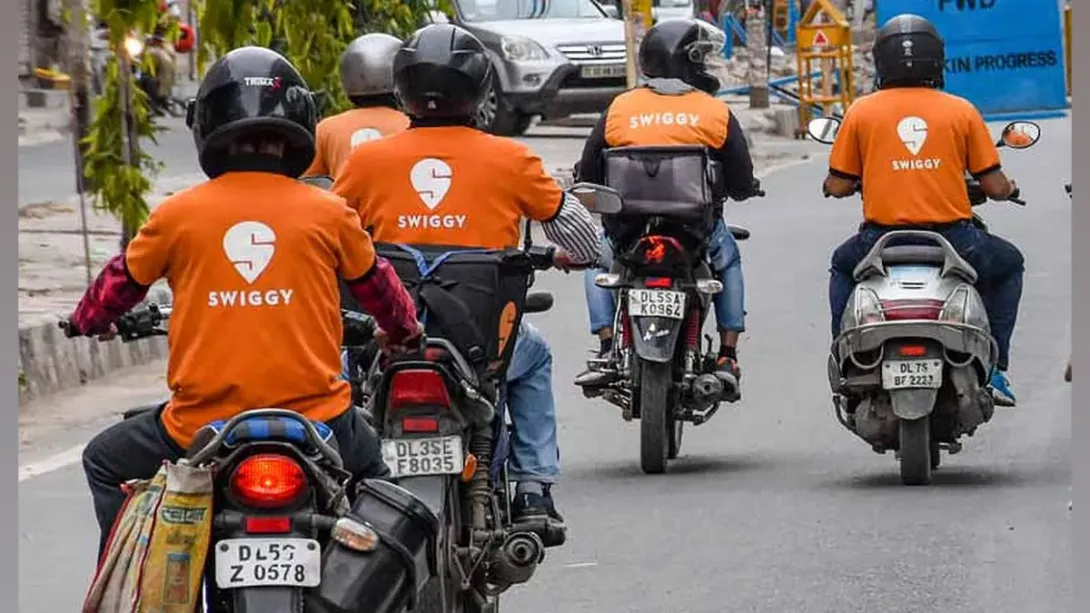
India’s online food delivery industry continued to demonstrate strong momentum in the third quarter, with major platforms reporting consistent growth in orders, restaurant partnerships, and user engagement. Companies including Swiggy, Zomato, and magicpin highlighted rising demand for app-based food services across metropolitan as well as emerging urban markets. The expansion reflects changing consumer habits, increasing digital penetration, and the growing influence of convenience-driven consumption. While operational efficiency and profitability remain key priorities, industry leaders remain confident that India’s food delivery ecosystem will continue to expand as technology, logistics innovation, and restaurant partnerships reshape the country’s dining landscape.
Rising Demand Reinforces Digital Food Ecosystem
India’s food delivery sector has become one of the fastest-growing segments within the country’s digital economy. During the third quarter, leading platforms reported notable growth in customer activity, indicating that consumers are increasingly turning to mobile-based food ordering for everyday convenience.
Companies such as Swiggy and Zomato continue to dominate the competitive landscape, supported by extensive delivery networks, large restaurant partnerships, and advanced technology infrastructure. Meanwhile, magicpin has been expanding its footprint through localized deals, rewards programs, and a growing merchant ecosystem.
Industry analysts attribute this growth to a combination of increasing smartphone penetration, affordable mobile data, and evolving consumer lifestyles that prioritize speed and convenience.
Q3 Performance Reflects Market Resilience
Third-quarter reports from these platforms point to strong consumer engagement and rising order frequency, even as inflationary pressures affect discretionary spending across several sectors.
For Zomato, food delivery continues to serve as a cornerstone of its business strategy. The company has focused on improving operational efficiency and enhancing customer loyalty through subscription services and personalized recommendations.
Similarly, Swiggy has reported sustained growth in order volumes, driven by expanding partnerships with restaurants and improved delivery logistics. Investments in route optimization and data-driven operations have enabled the company to maintain competitive delivery times across key urban markets.
Meanwhile, magicpin has strengthened its position by combining food delivery with a broader digital commerce model that includes rewards, local retail offers, and hyperlocal marketing solutions for merchants.
Competition Intensifies Across Platforms
As India’s food delivery market grows, competition among digital platforms has become increasingly strategic. Companies are investing heavily in technology, customer acquisition, and loyalty programs to strengthen their market positions.
Subscription-based memberships, targeted promotional campaigns, and improved user interfaces have become essential tools in attracting and retaining customers. At the same time, companies are leveraging artificial intelligence and data analytics to optimize delivery routes, forecast demand patterns, and improve operational efficiency.
Analysts note that these technological investments are crucial for maintaining profitability in a sector where delivery costs and promotional spending can significantly affect margins.
Opportunities for Restaurants and Local Businesses
The growth of online food delivery platforms has also created substantial opportunities for restaurants, particularly small and medium-sized establishments seeking to expand their customer base.
Through partnerships with companies like Swiggy and Zomato, restaurants gain access to sophisticated digital marketing tools, logistics infrastructure, and a broad consumer audience.
For newer brands and cloud kitchens, food delivery platforms offer an efficient route to market without the need for extensive physical expansion. This model has enabled many food entrepreneurs to scale rapidly while keeping operational costs manageable.
Profitability Remains a Strategic Priority
Despite strong demand, achieving sustainable profitability remains a central challenge for the food delivery sector. Rising fuel prices, delivery partner incentives, and competitive discounting strategies can place pressure on company finances.
To address these challenges, platforms are increasingly focusing on operational discipline, automation, and improved supply chain management. Enhanced delivery planning systems and optimized rider networks are helping reduce costs while maintaining high service standards.
Industry experts suggest that the companies capable of balancing growth with financial sustainability will ultimately shape the future of the sector.
Outlook: Sustained Growth for India’s Digital Dining Economy
The long-term outlook for India’s food delivery market remains highly optimistic. Rapid urbanization, increasing disposable income, and the expansion of digital infrastructure are expected to continue driving demand for app-based services.
Companies such as Swiggy, Zomato, and magicpin are likely to remain central players in shaping this evolving ecosystem.
As technology advances and consumer expectations rise, the sector will likely witness further innovation in logistics, personalization, and merchant partnerships—transforming how millions of Indians experience dining in the digital age.
Comments