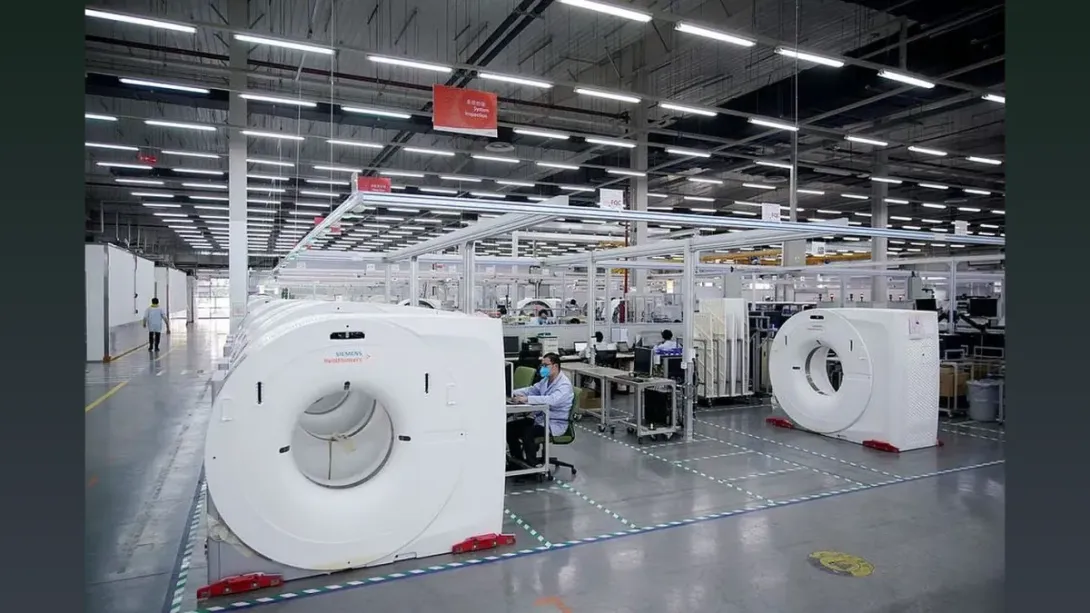
The India-UK trade partnership has received a significant boost with a fresh agreement set to streamline medical device exports. This pact, a key component of the broader Free Trade Agreement negotiations, is poised to enhance regulatory alignment, reduce compliance burdens, and expedite market access for Indian manufacturers. As a result, India's medical technology sector is expected to see increased exports to the United Kingdom, supporting broader economic objectives. The collaboration not only highlights India’s growing strength in high-precision manufacturing but also reinforces the UK's strategy to diversify its supply chains post-Brexit.
Strategic Win for India’s MedTech Sector
In a significant move to deepen bilateral economic ties, India and the United Kingdom have inked an agreement focused on easing the export of Indian-made medical devices to the UK market. The initiative is being hailed as a breakthrough for Indian manufacturers, many of whom have long faced regulatory and certification hurdles when entering Western markets.
This development marks a crucial step forward in the ongoing India-UK Free Trade Agreement discussions, which have gained momentum in recent months. With this pact, Indian exporters stand to benefit from reduced red tape and simplified documentation processes, opening doors to one of Europe’s largest and most innovation-driven healthcare markets.
Regulatory Convergence: A Game Changer
One of the primary advantages of the agreement is its emphasis on regulatory cooperation. By promoting mutual recognition of quality standards and certifications, Indian manufacturers will no longer need to undergo duplicate product evaluations, which often delay shipments and inflate costs.
Indian companies producing surgical equipment, diagnostic tools, and life-saving devices will be able to fast-track their entry into the UK’s National Health Service (NHS) supply chain. This strategic access is expected to significantly increase India's medical device exports, which currently stand at over Rs. 24,000 crore annually and are projected to grow at a compound annual rate of more than 15%.
Strengthening India’s Manufacturing Reputation
This trade facilitation measure underscores India's growing credibility as a reliable supplier of high-quality medical technologies. With initiatives like Make in India and the PLI Scheme (Production Linked Incentive), the country has ramped up both output and innovation in the medtech sector. Several Indian firms are now producing world-class equipment at globally competitive prices, meeting stringent standards set by regulators in Europe and North America.
The new pact with the UK adds further validation, strengthening India’s positioning as a trusted source of affordable and advanced healthcare solutions. It also signals a shift in global sourcing strategies, with the UK moving decisively to reduce its dependence on traditional supply hubs.
Economic and Diplomatic Implications
Beyond the immediate economic benefits, the agreement serves as a diplomatic milestone in India-UK relations. It reflects mutual confidence and a shared vision for deeper trade and investment flows. For India, it provides a platform to increase value-added exports; for the UK, it ensures a diversified and resilient supply chain for critical medical goods—a priority in the post-pandemic world.
This partnership also sets a precedent for similar collaborations in other sectors, such as pharmaceuticals, digital health, and biotechnology, paving the way for comprehensive trade integration in the future.
Outlook: Pathway to Broader Trade Expansion
As negotiations for a full-scale Free Trade Agreement continue, this medical devices pact may serve as a template for resolving other sectoral challenges. With global healthcare systems under strain and governments seeking cost-effective, high-quality solutions, India’s medtech exporters are well positioned to meet this rising demand.
Policymakers and industry leaders alike now view this move as a catalyst for broader transformation—one that will enhance India’s export profile, improve access to critical healthcare technologies in the UK, and fortify bilateral economic ties for years to come.
Conclusion
The India-UK agreement on medical device exports marks a turning point for Indian manufacturing and international trade diplomacy. By aligning regulatory frameworks and simplifying access, the pact sets the stage for accelerated growth in a vital sector. For India’s medtech industry, this is not just a trade opportunity—it is an invitation to become a global leader in delivering quality healthcare solutions.
Comments