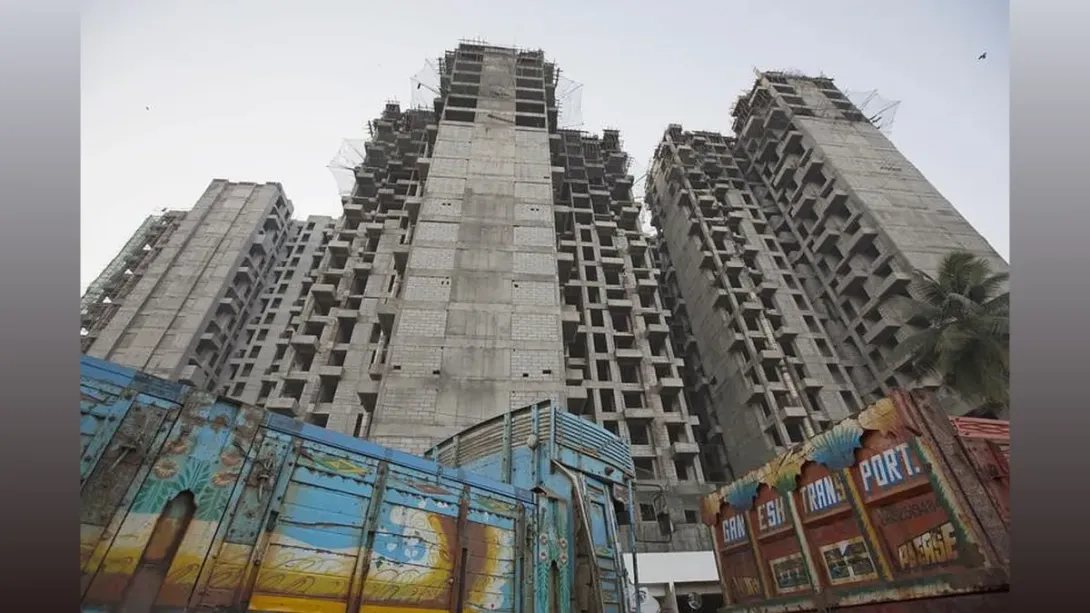
Housing sales across India’s eight largest metropolitan regions witnessed a moderate decline during the July–September quarter, marking a period of market consolidation after several quarters of strong growth. The dip is attributed to seasonal factors, elevated property prices, and cautious buyer sentiment following successive interest rate hikes. Despite the temporary slowdown, industry analysts note that the underlying fundamentals of the real estate market remain robust, driven by resilient end-user demand, a steady inflow of institutional investments, and sustained interest in mid- to premium-segment housing across urban centers.
---
Sales Moderation After Consecutive Growth Quarters
After witnessing record-breaking sales in the past fiscal year, India’s residential real estate market entered a phase of stabilization in the July–September 2025 quarter. Data from the top eight cities—Delhi-NCR, Mumbai Metropolitan Region (MMR), Bengaluru, Hyderabad, Pune, Chennai, Kolkata, and Ahmedabad—showed a slight contraction in overall housing sales volumes.
The decline was largely cyclical, as the quarter coincided with the monsoon season, traditionally a slower period for property purchases. Additionally, the robust sales momentum seen in the first half of the year had led to a temporary saturation in demand, particularly in metro markets where prices have risen significantly.
---
Rising Prices and Affordability Concerns
Elevated property prices continued to exert pressure on affordability, especially for first-time buyers in major metropolitan areas. Developers have been compelled to revise pricing upwards due to higher input costs, land acquisition expenses, and ongoing supply-chain pressures affecting construction materials.
While premium housing remained resilient, the affordable segment—typically sensitive to price fluctuations—saw a sharper decline in sales. Market analysts suggest that prospective buyers are adopting a “wait-and-watch” approach, anticipating potential price corrections or promotional offers during the upcoming festive season.
---
Regional Performance and Market Dynamics
Among the top-performing cities, the Mumbai Metropolitan Region and Delhi-NCR maintained their dominance in overall sales share, though both reported a marginal sequential decline. Bengaluru and Hyderabad, key IT hubs, showed signs of steady but cautious buyer activity, supported by consistent end-user demand from working professionals and NRIs.
In contrast, Pune and Chennai observed a more noticeable slowdown, attributed to delayed project launches and limited new supply. However, developers in these markets remain optimistic, expecting sales recovery in the October–December quarter as festive demand typically boosts transaction volumes.
---
Supply Adjustments and Developer Strategies
Developers are responding to the market’s temporary slowdown with strategic adjustments in pricing, project phasing, and marketing. Several large real estate firms have chosen to focus on inventory clearance and timely project completion rather than aggressive new launches.
The premium and luxury segments, however, continue to witness healthy traction, driven by high-net-worth individuals seeking lifestyle-oriented investments. Additionally, the growing demand for sustainable and energy-efficient housing has led many developers to integrate green building technologies, aligning with evolving consumer preferences.
---
Macro Trends and Long-Term Outlook
Despite the quarterly dip, the long-term outlook for India’s housing market remains positive. Macroeconomic stability, a growing middle class, and urban migration continue to underpin demand. The Reserve Bank of India’s cautious stance on monetary policy, combined with a gradual decline in inflation, may also create room for improved housing affordability in the coming quarters.
Institutional investors remain bullish on India’s residential real estate, with increased participation in co-living, rental housing, and integrated township developments. The market’s transition toward transparency, digital integration, and regulatory maturity under RERA continues to enhance buyer confidence and attract capital inflows.
---
Conclusion
The marginal dip in housing sales across India’s top eight cities during the July–September period reflects a temporary pause in an otherwise steady growth trajectory. As developers recalibrate their strategies and buyers await the festive season, the sector is expected to regain momentum in the final quarter of 2025. With strong fundamentals, evolving consumer preferences, and continued institutional backing, India’s residential real estate market remains on course for sustained, long-term expansion.
Comments