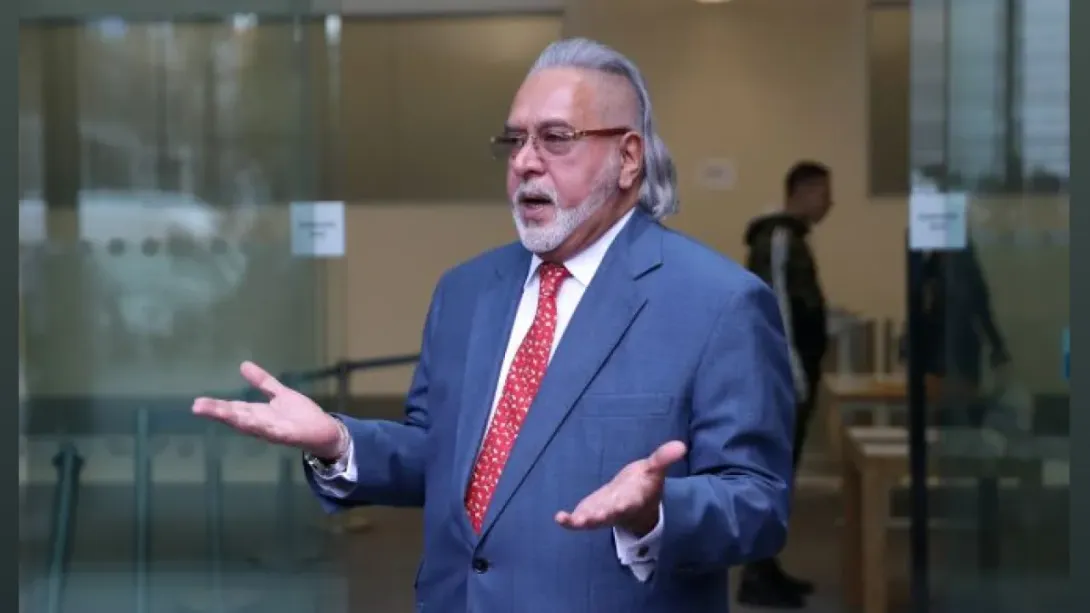
An Indian High Court has sought a clear response from Vijay Mallya on whether he intends to return to India, as it heard petitions challenging his designation as a fugitive economic offender. The court’s query goes to the heart of ongoing legal proceedings linked to alleged financial irregularities and loan defaults. By pressing for clarity on his willingness to submit to Indian jurisdiction, the court underscored the legal principle that relief cannot be sought without accountability. The development adds a fresh dimension to a long-running case that continues to carry implications for financial governance, banking accountability, and the enforcement of economic laws.
Court Focuses on Accountability and Jurisdiction
During the hearing, the High Court questioned Mallya’s counsel on whether the businessman was prepared to return to India if relief was sought against the fugitive economic offender tag. The court indicated that a willingness to face legal proceedings could be a relevant consideration while examining the maintainability of the petitions.
Judges emphasized that access to judicial remedies is closely tied to a petitioner’s submission to the authority of the court and domestic legal processes.
Background to the Fugitive Economic Offender Tag
Mallya has been declared a fugitive economic offender under Indian law in connection with cases involving alleged loan defaults and financial misconduct. The designation enables authorities to confiscate assets and restrict legal defenses if an accused remains outside the country while evading prosecution.
The legal framework was introduced to deter high-value economic offenders from avoiding Indian courts by remaining overseas.
Arguments Raised in the Pleas
The petitions before the court challenge the process and basis on which the fugitive tag was applied. Mallya’s legal team has argued procedural lapses and raised questions about the interpretation of statutory provisions.
However, the court’s pointed query suggests that procedural arguments alone may not suffice without addressing the broader issue of jurisdiction and physical presence.
Broader Implications for Economic Offense Cases
Legal experts note that the court’s approach reinforces a consistent judicial stance: individuals seeking relief must demonstrate bona fide intent to engage with the justice system. The outcome of the case could influence how future fugitive economic offender pleas are assessed.
Comments