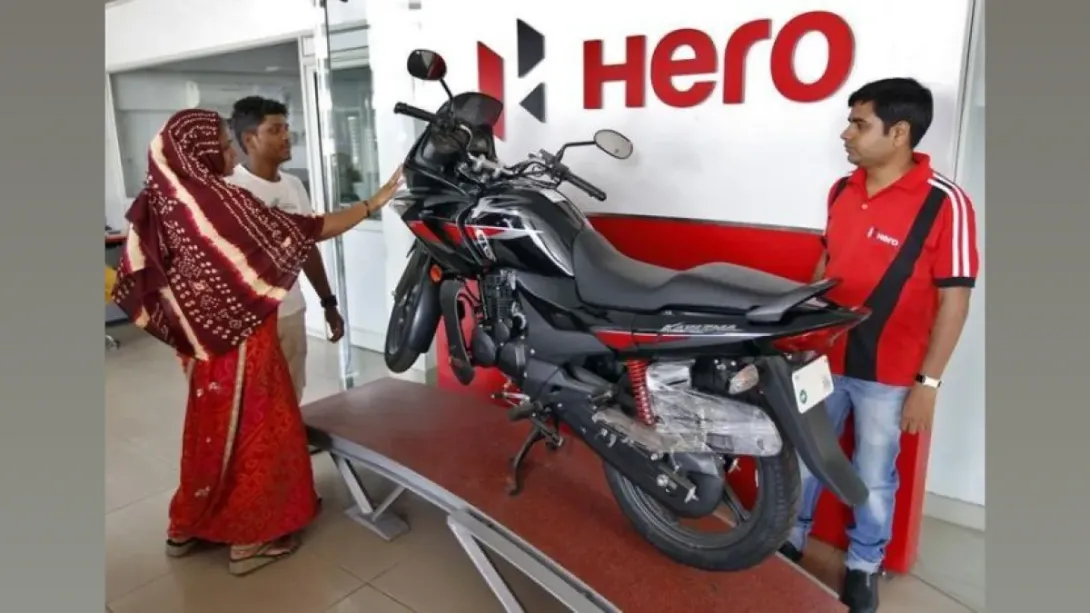
Hero MotoCorp posted a robust 44% year-on-year increase in sales for February, reflecting a sharp rebound in both rural and urban markets. The country’s largest two-wheeler manufacturer benefited from improved supply chain stability, healthy dealer inventories and sustained demand for commuter motorcycles and scooters. Industry analysts view the performance as a sign of strengthening consumer sentiment and seasonal momentum ahead of the upcoming festive cycle. The sharp rise also signals normalization after prior disruptions, reinforcing confidence in the broader two-wheeler segment’s recovery trajectory amid evolving macroeconomic conditions.
February Performance Highlights
Hero MotoCorp reported a 44% increase in total sales in February compared with the same period last year, marking one of the strongest monthly performances in recent quarters.
The growth was driven by higher dispatches across its core motorcycle and scooter portfolio. Dealers cited steady retail of commuter models, supported by improved product availability and streamlined logistics.
Management attributed the performance to a balanced demand recovery across rural and urban geographies.
Rural Demand Rebounds
Rural markets, which account for a substantial portion of Hero MotoCorp’s sales mix, showed notable improvement. Enhanced agricultural cash flows, infrastructure spending and better credit access contributed to higher purchasing activity.
The two-wheeler segment often serves as a barometer of rural economic sentiment. Analysts noted that rising mobility needs and stable fuel prices have supported entry-level and mid-segment motorcycle sales.
Improved liquidity conditions have further enabled consumers to finance purchases through structured installment plans.
Urban Consumption and Product Strategy
Urban markets also delivered steady momentum during the month. Premium commuter motorcycles and feature-enhanced models recorded healthy traction among younger buyers.
Hero MotoCorp has increasingly focused on product refresh cycles, technology integration and brand repositioning to remain competitive in a market facing growing competition from both domestic and international manufacturers.
Enhanced marketing campaigns and dealership-level engagement initiatives have contributed to improved retail conversions.
Supply Chain Stabilization
Industry-wide semiconductor constraints and logistics disruptions had previously affected production volumes. February’s performance reflects greater supply chain stability, enabling manufacturers to meet pent-up demand more effectively.
Higher production output allowed dealers to replenish inventories, supporting consistent retail sales without extended waiting periods.
Operational efficiency gains have also supported improved cost management, a key consideration in a price-sensitive segment.
Competitive Landscape and Market Outlook
India’s two-wheeler industry is navigating structural changes, including the gradual transition toward electric mobility. Despite this shift, internal combustion engine motorcycles continue to dominate commuter demand.
Hero MotoCorp’s February growth underscores the resilience of the conventional two-wheeler segment, particularly in price-conscious markets. Analysts expect moderate growth in the coming quarters, contingent on rural income stability and financing conditions.
If demand momentum sustains, the company could consolidate its leadership position while preparing strategically for electrification and premiumization trends shaping the industry’s future.
In sum, February’s 44% surge reflects both cyclical recovery and structural strength in India’s two-wheeler ecosystem, reinforcing optimism about sustained consumer mobility demand.
Comments