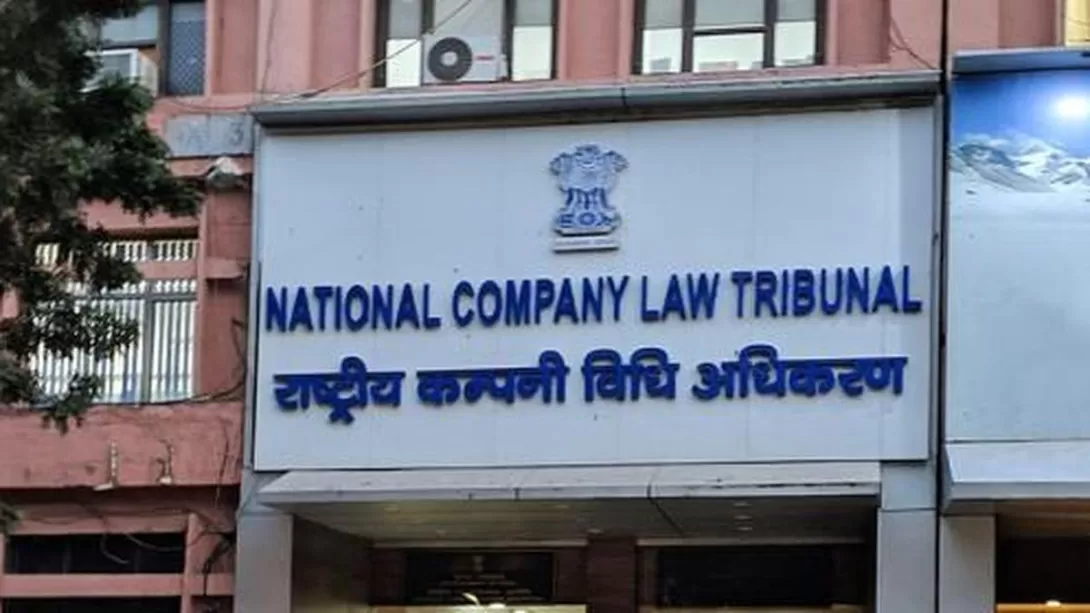
Gensol Engineering Ltd. and its subsidiary Gensol EV Lease Ltd. have entered insolvency proceedings after the National Company Law Tribunal (NCLT) admitted petitions filed by the Indian Renewable Energy Development Agency Ltd. (IREDA). The development marks a pivotal moment for the renewable energy sector, reflecting the growing scrutiny on the financial health of green technology ventures. Simultaneously, the NCLT is grappling with internal turbulence as one of its deputy registrars, Charan Pratap Singh, was granted bail following his arrest in a high-profile bribery case—an event that casts a shadow over the tribunal’s credibility.
Gensol Group Admitted into Insolvency Resolution
The Ahmedabad-based Gensol Engineering Ltd. and its electric mobility arm, Gensol EV Lease Ltd., have been formally admitted for corporate insolvency resolution by the National Company Law Tribunal. This action follows independent petitions filed by IREDA, a key financial institution under the Ministry of New and Renewable Energy, seeking recovery of dues.
The precise details of the outstanding liabilities remain undisclosed, but the tribunal's decision to admit both entities suggests a critical liquidity crunch at Gensol, despite its positioning within the rapidly expanding renewable and electric mobility landscape. Insolvency proceedings will now initiate under the provisions of the Insolvency and Bankruptcy Code (IBC), with interim resolution professionals expected to take charge of operations and initiate the claims process for creditors.
Gensol, known for engineering, procurement, and construction (EPC) projects in solar energy and foray into EV leasing, had in recent years positioned itself as a significant player aligned with India’s clean energy ambitions. Its financial distress may prompt broader concerns about the fiscal resilience of startups operating in capital-intensive, policy-dependent green sectors.
NCLT Official Secures Bail Amid Corruption Charges
In a parallel and deeply troubling development for the institutional integrity of the NCLT, Deputy Registrar Charan Pratap Singh, who was arrested by the Central Bureau of Investigation (CBI) on May 29 in a bribery case, was granted bail on Friday by a special CBI court.
Singh's bail application, filed through advocate Shalabh Saxena, emphasized his modest living conditions and lack of personal wealth. According to the plea, authorities recovered only Rs. 22,000 in cash from his residences during the investigation. The defense noted that Singh resides in an 8x10-foot shared accommodation in a Mumbai chawl, using a common bathroom and toilet, and owns no real estate in the city.
While bail was granted, the arrest itself highlights concerns around the integrity of regulatory institutions, particularly those entrusted with adjudicating critical financial and corporate disputes under the IBC. Such developments could further slow resolution timelines and erode investor confidence in the judicial arms of India’s economic governance framework.
Implications for the Renewable Sector and Institutional Trust
The juxtaposition of Gensol's insolvency with the NCLT’s own credibility crisis reveals a deeper structural fragility within India’s push toward green energy entrepreneurship and corporate justice. For investors and industry observers, these events underscore the importance of:
- Robust financial due diligence in green sectors still dependent on regulatory incentives.
- Transparent institutional mechanisms for resolving disputes, free from allegations of corruption.
- Policy-backed support mechanisms that can help emerging firms in the renewable space survive early-stage capital challenges.
Moreover, the case underlines the need for systemic reform in judicial oversight to ensure that insolvency forums remain free of malfeasance while offering timely relief to distressed companies.
Conclusion
The admission of Gensol and its EV subsidiary into insolvency proceedings marks a sobering inflection point in India’s renewable energy journey, especially when seen against the backdrop of alleged corruption within the very institution charged with safeguarding corporate governance. As the insolvency process unfolds, industry stakeholders and policymakers alike must grapple with the dual challenge of reviving investor faith and fortifying the institutional pillars essential for a thriving, transparent economy.
Comments