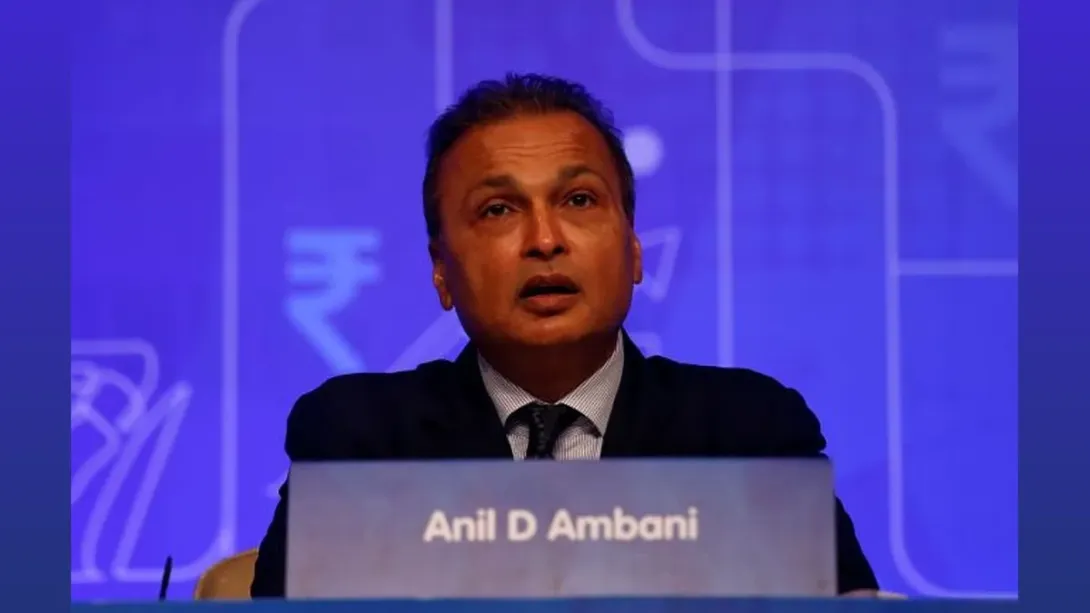
India’s Enforcement Directorate (ED) has seized multiple bank accounts belonging to Reliance Infrastructure (R-Infra) as part of an ongoing probe into alleged violations of the Foreign Exchange Management Act (FEMA). The action involves a lien placed on funds exceeding Rs. 50 crore, following suspicions that company-linked entities routed money abroad through irregular transactions. While the agency claims funds were channelled via shell companies and questionable subcontracting structures, R-Infra has denied any wrongdoing and stated it is fully cooperating with investigators. The development intensifies regulatory scrutiny on corporate foreign-exchange practices and raises broader questions about compliance in large infrastructure contracts.
ED Action Targets R-Infra Accounts
The Enforcement Directorate has imposed a lien on several bank accounts held by Reliance Infrastructure, effectively freezing access to deposits amounting to more than Rs. 50 crore. The move forms part of a larger investigation into suspected FEMA breaches, tied to past infrastructure projects executed by the company. Authorities assert that certain financial flows, originally connected to domestic contracts, may have been rerouted abroad without meeting compliance obligations required under India’s foreign-exchange laws.
The ED’s intervention follows months of inquiry, during which investigators examined fund transfers, contractual payments, and relationships between R-Infra and associated entities.
Allegations of Irregular Foreign Transfers
According to the agency’s findings, some project-related disbursements may have been channelled through layers of subcontractors and intermediary firms lacking genuine operational capacity. Officials allege these entities acted primarily as conduits for remittances sent overseas under the guise of service or material procurement.
The transactions in question allegedly failed to produce adequate documentation substantiating the movement of funds. Investigators believe this structure may have been used to bypass FEMA guidelines, which impose strict disclosure and permission requirements for outward remittances.
While the ED’s inquiry is still in progress, the freeze on accounts underscores the seriousness of the suspected violations.
Reliance Infrastructure’s Stand
R-Infra has contested the allegations, asserting that all payments linked to the projects under scrutiny were legitimate and supported by contractual obligations. The company maintains that the contracts were domestic in nature and did not necessitate foreign-currency transactions in the first place.
In a formal statement, the firm confirmed receiving the ED’s lien order and clarified that it is evaluating legal options while cooperating fully with investigators. R-Infra insists that no FEMA contravention occurred and that it will present its documentation to establish compliance.
Despite this stance, the regulator’s action introduces fresh uncertainty at a time when the company is already navigating financial and operational challenges.
Impact on Liquidity and Market Perception
The freezing of bank accounts can weigh heavily on R-Infra’s short-term liquidity, potentially affecting supplier payments, debt servicing, or ongoing project commitments. Investors are expected to closely watch the company’s next moves, particularly its engagement with regulators and potential legal escalation.
For the broader market, the case reinforces heightened enforcement around foreign-exchange management, especially for companies operating complex project structures involving multiple vendors or cross-border links. Corporate governance experts note that even legacy contracts are now subject to retrospective scrutiny, reflecting a shift toward stricter oversight.
What Comes Next
The ED is expected to continue examining financial trails, including the authenticity of subcontracting arrangements, nature of overseas remittances, and alignment with FEMA’s reporting requirements.
R-Infra, meanwhile, will need to demonstrate that its financial flows adhered to regulatory norms. The outcome could influence not only the company’s immediate financial stability but also its long-term reputation in the infrastructure sector.
Comments