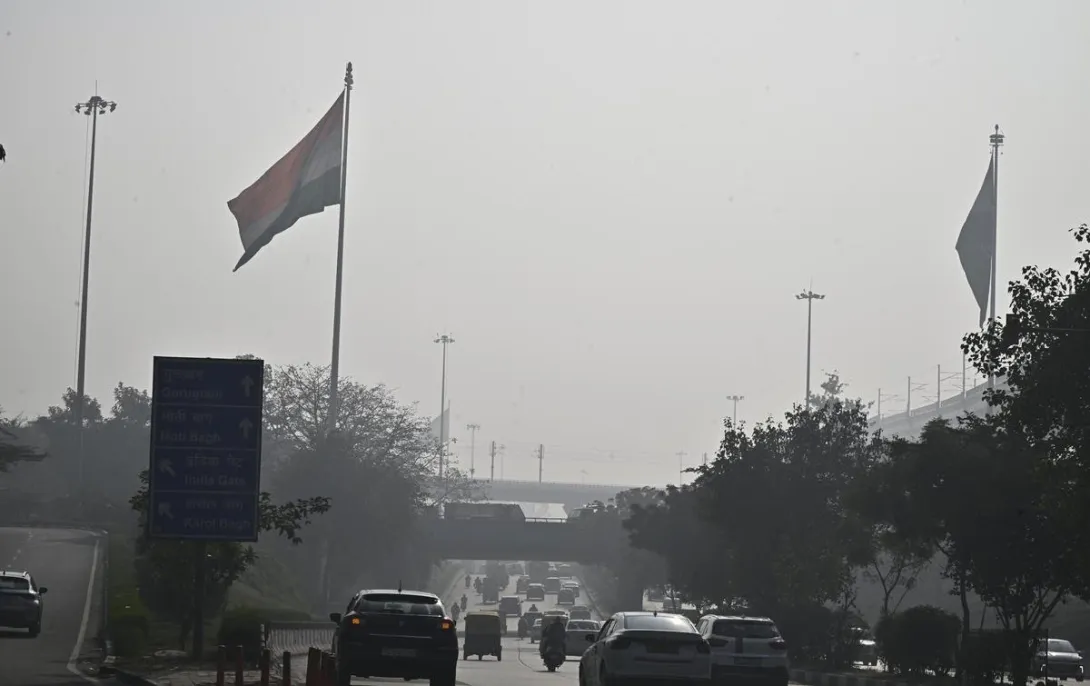
Delhi authorities have lifted the strictest pollution control measures under Stage IV of the Graded Response Action Plan (GRAP) after a sustained improvement in air quality levels. The decision follows a consistent decline in particulate concentration, supported by favorable meteorological conditions and reduced emission intensity. While emergency curbs on construction, industrial activity, and vehicle movement have been rolled back, officials emphasized that vigilance remains essential. The rollback reflects a calibrated policy response aimed at restoring economic activity without compromising public health, even as the city remains vulnerable to sudden pollution spikes during the winter season.
GRAP-4 Measures Withdrawn After Air Quality Gains
Authorities announced the withdrawal of GRAP-4 restrictions after air quality indices remained below the severe category for consecutive days. Stage IV measures, which are triggered during extreme pollution episodes, typically involve halting non-essential construction, restricting polluting vehicles, and suspending certain industrial operations. Their removal signals a measurable easing of environmental stress across the capital.
What Remains in Place
Although the strictest curbs have been lifted, preventive measures under lower GRAP stages continue. These include enhanced monitoring of industrial emissions, dust-control norms at construction sites, and advisories discouraging unnecessary vehicle use. Officials stressed that enforcement agencies will remain on alert to ensure compliance and prevent a rapid deterioration in air quality.
Economic and Social Impact
The relaxation is expected to provide immediate relief to construction firms, small manufacturers, and daily-wage workers affected by prolonged shutdowns. Transport and logistics operations are also likely to normalize, easing supply-chain bottlenecks. From a policy standpoint, the move reflects an effort to balance environmental safeguards with economic continuity during a sensitive period.
Weather Plays a Key Role
Meteorological conditions, including improved wind speed and dispersion patterns, contributed significantly to the recent air quality improvement. Experts caution, however, that such gains can be temporary, particularly as colder temperatures and stagnant air return. This underlines the structural nature of Delhi’s pollution challenge, which extends beyond seasonal interventions.
Outlook
The lifting of GRAP-4 restrictions marks a positive but fragile milestone. Policymakers and environmental experts agree that sustained improvement will require long-term reforms, cleaner mobility, and stricter emission standards. For now, the city gains a brief reprieve—one that underscores both progress made and vulnerabilities that persist.
Comments