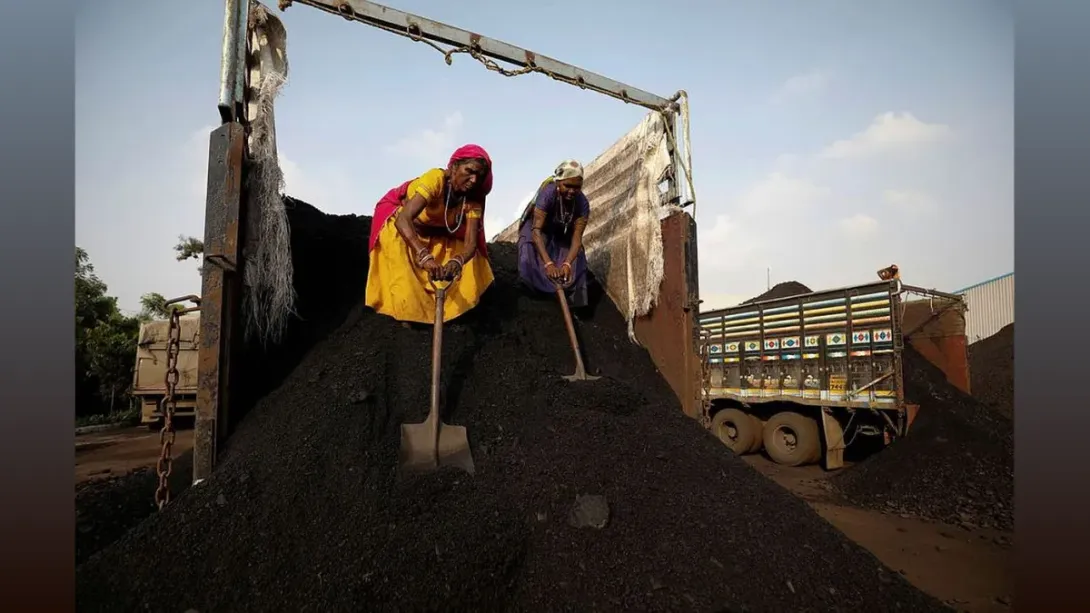
Coal India Ltd. (CIL), the state-owned mining giant and the world’s largest coal producer, reported a dip in its coal production for October, marking a temporary setback in its annual output trajectory. The decline, attributed to heavy monsoon rains and operational disruptions across key mining regions, has prompted concerns over fuel supply to power plants ahead of peak winter demand. Despite the monthly slump, Coal India remains optimistic about achieving its annual targets, with the company ramping up dispatches and production planning to offset October’s shortfall in the coming months.
Production Dip in October
Coal India’s coal output in October stood at approximately 61.1 million tonnes, down from 61.7 million tonnes in the same month last year, registering a marginal year-on-year decline. The drop was largely due to unfavorable weather conditions that hampered mining operations in key subsidiaries, including Mahanadi Coalfields, Central Coalfields, and South Eastern Coalfields. The monsoon extended longer than expected, leading to flooding in some open-cast mines and impacting logistics and transport movement.
Supply and Dispatch Trends
Coal dispatches also reflected a similar slowdown, reaching 63.4 million tonnes in October compared with 64.5 million tonnes in the corresponding period last year. The dip in supply was partially offset by higher stock availability at pitheads and a strategic focus on ensuring priority deliveries to thermal power plants. The company maintained adequate coal inventory to avoid fuel shortages, with overall stock levels remaining well above critical thresholds set by the Central Electricity Authority.
Cumulative Performance Still Robust
Despite the October decline, Coal India’s cumulative production for the first seven months of the fiscal year (April–October) showed resilience. The company produced nearly 429 million tonnes during this period, marking an increase from 385 million tonnes produced a year earlier — a growth of around 11%. Dispatches during the same period stood at 453 million tonnes, reflecting steady demand from the power sector and sustained recovery in industrial consumption.
Power Sector Demand and Market Outlook
The demand for coal from India’s power sector has remained strong in 2025, driven by increased electricity consumption, rising industrial activity, and limited renewable generation during the monsoon season. Power producers continue to rely heavily on domestic coal, with imported coal prices remaining volatile. Coal India’s ability to meet this rising demand remains critical for maintaining grid stability and supporting India’s economic growth momentum.
Analysts suggest that the October dip is a temporary fluctuation rather than a trend reversal. With the onset of dry weather and improved mining conditions, output is expected to accelerate in November and December. The company has already initiated steps to boost overburden removal, deploy additional heavy earth-moving machinery, and streamline rail dispatches to enhance supply efficiency.
Government Push and Future Strategy
Under the government’s energy security agenda, Coal India aims to achieve an ambitious production target of 838 million tonnes for FY2025–26. To meet this, the company is focusing on technology-driven efficiency improvements, mine expansion projects, and better coordination with state governments for land acquisition and environmental clearances. The ongoing diversification into coal gasification, pithead power generation, and critical minerals exploration further reflects Coal India’s strategy to strengthen its long-term sustainability.
Conclusion
Coal India’s October slowdown underscores the challenges of maintaining production consistency in a weather-dependent sector. However, the company’s robust year-to-date performance, coupled with proactive measures to enhance operational resilience, positions it favorably to achieve its annual targets. As India continues its dual pursuit of energy security and transition toward cleaner alternatives, Coal India’s performance remains a cornerstone of the nation’s energy infrastructure — balancing short-term supply stability with long-term strategic evolution.
Comments