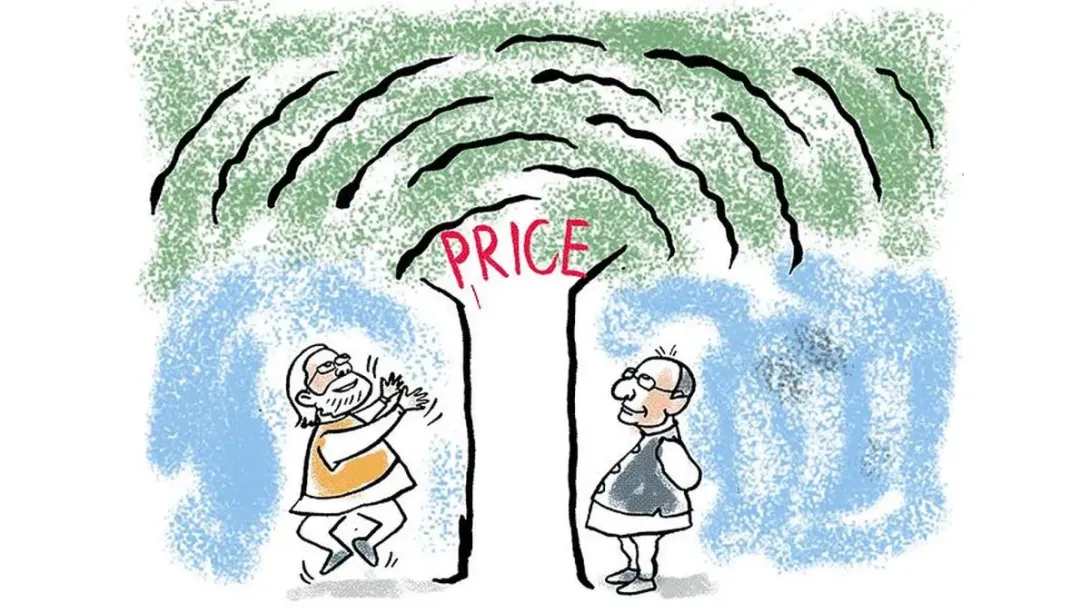
As preparations for the Union Budget 2026–27 gather pace, policymakers are increasingly focusing on import duty rationalisation as a lever to boost India’s export competitiveness. Industry stakeholders argue that high and uneven duties on raw materials and intermediate goods inflate production costs, eroding the pricing advantage of Indian exporters in global markets. A calibrated restructuring of customs duties could lower input costs, streamline supply chains and enhance value addition. If implemented effectively, such measures would support export-led growth, improve manufacturing efficiency and align India’s trade policy with its ambition to become a global production hub.
Import Duties and Export Competitiveness
Import duty structures play a critical role in determining the cost base of export-oriented industries. In several sectors, exporters rely heavily on imported inputs that are either unavailable domestically or lack adequate quality and scale. Elevated duties on these inputs raise production expenses, making Indian goods less competitive abroad.
Industry bodies have long argued that rationalising duties—especially on intermediate goods—would help neutralize cost disadvantages and allow exporters to price products more aggressively in international markets.
Industry Demands Ahead of the Budget
Ahead of Budget 2026–27, export-oriented sectors such as engineering goods, electronics, textiles and chemicals have sought a review of existing customs tariffs. Their recommendations include reducing inverted duty structures, simplifying rate slabs and ensuring consistency across related inputs.
Such changes, exporters say, would not only reduce compliance complexity but also improve working capital efficiency by lowering upfront tax burdens.
Supporting Value Addition and Manufacturing
A more coherent import duty framework could encourage higher domestic value addition. By lowering duties on critical components and raw materials, manufacturers may find it economically viable to expand production and integrate more deeply into global value chains.
This approach aligns with broader policy objectives of strengthening domestic manufacturing while maintaining outward-looking trade policies that support exports.
Balancing Revenue and Growth Objectives
While import duty rationalisation offers clear benefits for exporters, policymakers must balance these gains against revenue considerations. Customs duties remain a significant source of government income, and any reduction must be carefully calibrated.
Economists suggest that higher export volumes and increased manufacturing activity could partially offset revenue losses over time through broader tax collections and job creation.
The Road Ahead
If Budget 2026–27 delivers a well-structured rationalisation of import duties, it could mark an important step toward making Indian exports more competitive and resilient. By addressing structural cost challenges, the government would signal its commitment to export-led growth and global integration.
Such a move would not only support exporters in the near term but also strengthen India’s long-term position in international trade, reinforcing its ambition to emerge as a reliable and cost-efficient manufacturing hub.
Comments