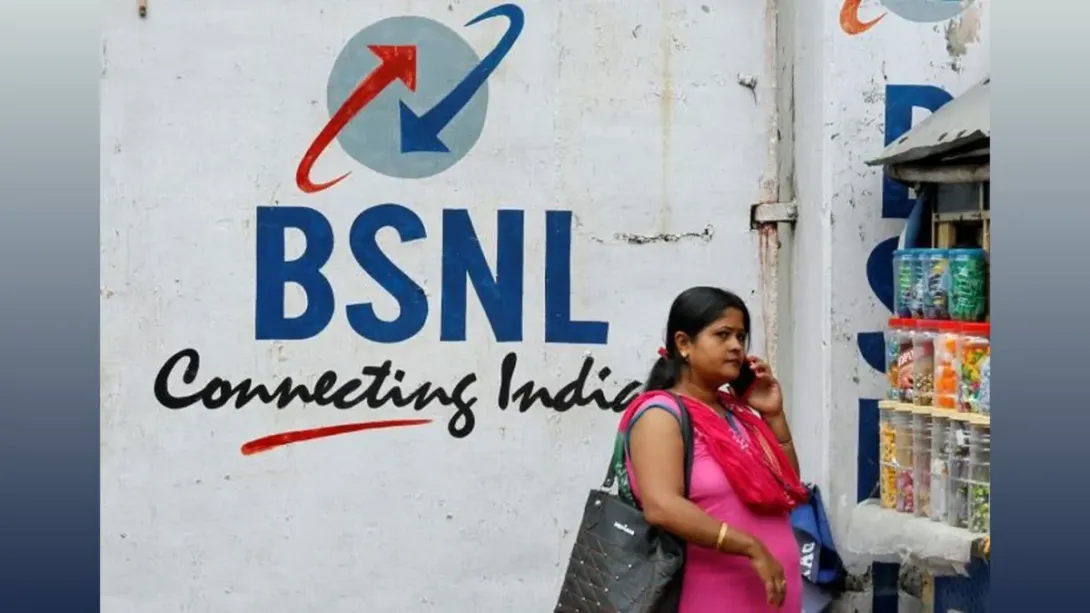
State-run telecom operator Bharat Sanchar Nigam Limited (BSNL) has announced an ambitious promotional offer—a Rs. 1 4G plan bundled with a one-month free trial—designed to reposition the company in India’s increasingly competitive telecom market. The initiative aims to attract new users, revive dormant connections, and showcase the public-sector provider’s readiness for large-scale 4G rollouts. This strategy underscores BSNL’s attempt to narrow the gap with private telecom giants, who have already established dominance in the high-speed data segment. With customer acquisition and brand revival at its core, the initiative signals a bold step forward for the PSU.
---
A Strategic Shift in Telecom Marketing
BSNL's decision to introduce a nominally priced Rs. 1 plan is less about revenue and more about signaling relevance. As private players such as Jio and Airtel continue to dominate urban and rural markets with expansive 4G coverage and bundled offers, BSNL’s new campaign is designed to reintroduce the brand to a rapidly evolving customer base.
By offering one month of complimentary 4G service, BSNL intends to let users experience its upgraded network firsthand—without the barrier of financial commitment. This trial period is not only a customer-friendly gesture but also a strategic tool for network stress testing, data usage analytics, and service refinement.
---
Targeting Dormant Users and Rural Expansion
The promotional offer is especially targeted at reactivating long-dormant BSNL SIM cards. A significant share of BSNL’s customer base resides in Tier 2 and Tier 3 cities or rural regions, where affordability plays a critical role in consumer decisions. With a negligible entry cost of Rs. 1, the company hopes to reignite interest among those who had previously shifted to competitors due to better service quality or cheaper data packs.
Additionally, BSNL is capitalizing on its existing infrastructure in remote regions—where private players still struggle to ensure consistent coverage. This Rs. 1 plan, with its month-long trial, gives BSNL the opportunity to rebuild trust and user loyalty at the grassroots level.
---
4G Network Deployment: The Broader Context
BSNL’s rollout of 4G services has lagged significantly behind its private counterparts due to a combination of regulatory, financial, and technical delays. However, with increased government backing and recent vendor partnerships, the state-owned telecom operator has begun deploying its indigenous 4G core network across several circles.
This promotional scheme is likely a prelude to a broader 4G expansion campaign, which could set the stage for its eventual 5G aspirations. By offering a hands-on preview of its upgraded capabilities, BSNL is attempting to lay the groundwork for long-term service adoption.
---
Competitive Landscape and Consumer Dynamics
The Indian telecom market remains one of the most price-sensitive in the world. In such an environment, BSNL’s Rs. 1 offer could disrupt market equilibrium, especially among budget-conscious users and secondary SIM holders. While the offer is unlikely to dent the revenues of larger players immediately, it may influence consumer perceptions and retention choices.
What remains crucial is the actual quality of service BSNL delivers during the trial phase. If users experience uninterrupted speed, low latency, and dependable coverage, BSNL stands a real chance of regaining its lost foothold in the prepaid market.
---
Final Thoughts: A Symbolic Rebirth?
BSNL's Rs. 1 4G plan is more than just a pricing tactic—it’s a signal that the public-sector telecom firm is willing to experiment, adapt, and fight for relevance in a fast-consolidating industry. While much depends on execution, network performance, and user satisfaction, the gesture is timely and potentially transformative.
With this initiative, BSNL not only offers access—it also offers a narrative of comeback. For a company that has often been perceived as outdated in the digital era, this is a rare moment to reshape its identity and reconnect with the nation’s mobile-first population.
Comments