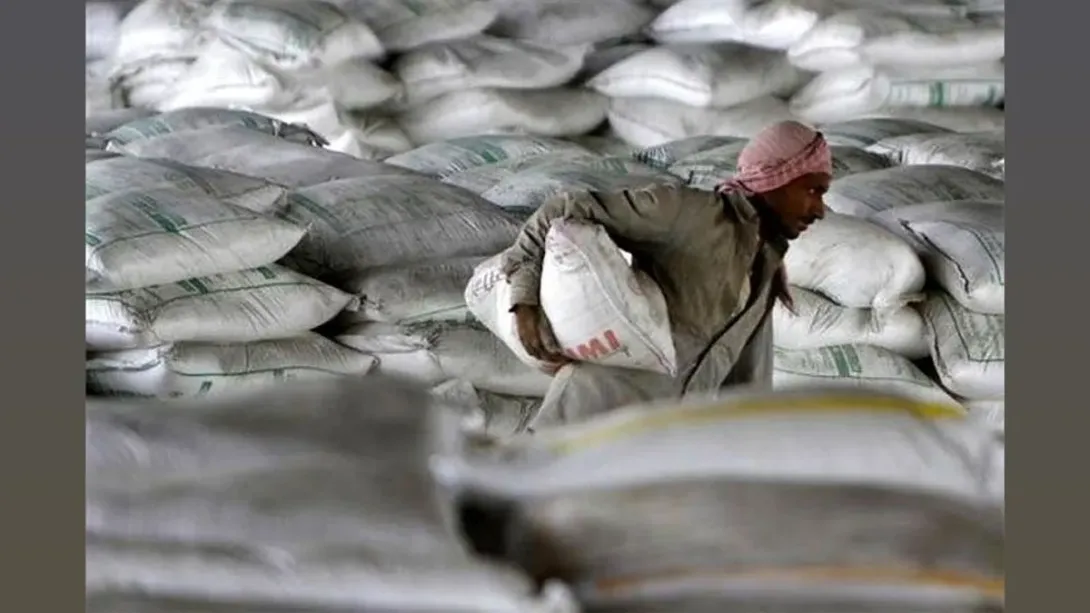
Birla Corporation Ltd. reported a remarkable 71% year-on-year jump in net profit for the third quarter, reaching Rs. 53 crore, driven by robust domestic cement demand and operational efficiencies. Revenue for the period grew in tandem, reflecting higher volumes and improved pricing across multiple regions. The company’s performance underscores resilience in the building materials sector despite inflationary pressures on raw materials and energy costs. Analysts highlight that strategic capacity utilization, cost optimization, and stable market share in key states contributed to the strong earnings. Birla Corp’s results reinforce investor confidence in the cement industry’s steady growth trajectory and cyclical recovery.
Revenue and Earnings Performance
For Q3, Birla Corp achieved significant revenue growth, fueled by:
- Higher Cement Volumes: Increased construction activity in urban and semi-urban regions boosted sales.
- Price Realization Gains: Incremental pricing strategies helped offset rising input costs.
- Diversified Portfolio: Cement, clinker, and value-added products contributed proportionally to top-line growth.
The company demonstrated strong operational leverage, translating higher revenue into a pronounced surge in net profitability.
Operational Efficiency and Cost Management
Birla Corp’s management attributed the earnings jump to several efficiency measures:
- Optimized Production: Enhanced kiln utilization and logistics planning improved output-to-cost ratios.
- Raw Material Sourcing: Strategic procurement mitigated cost escalation in coal, gypsum, and limestone.
- Energy Efficiency: Investments in energy-efficient machinery and alternative fuels reduced dependence on costly inputs.
These initiatives contributed to margin expansion, even amid volatile commodity prices and supply chain challenges.
Market Dynamics and Industry Context
The Q3 performance reflects broader trends in the Indian cement industry:
- Infrastructure Push: Government spending on roads, highways, and housing continues to drive cement consumption.
- Urban Housing Demand: Tier-2 and Tier-3 cities are emerging as key growth corridors.
- Industry Consolidation: Companies with strong brand presence and regional dominance benefit from pricing power and distribution efficiencies.
Analysts note that despite inflationary pressures on fuel and transport, companies like Birla Corp are leveraging scale and regional positioning to maintain profitability.
Strategic Outlook and Growth Drivers
Looking ahead, Birla Corp is focusing on:
- Capacity Expansion: Modernizing existing plants and commissioning new units in high-demand regions.
- Product Diversification: Expanding ready-mix concrete and specialty cement segments to capture value-added markets.
- Sustainability Initiatives: Incorporating alternative fuels and green manufacturing practices to reduce carbon footprint and enhance ESG credentials.
These measures are expected to sustain double-digit revenue growth while strengthening operational resilience in a competitive market.
Investor Implications
The Q3 earnings beat market expectations, enhancing investor confidence in Birla Corp’s:
- Robust Business Model: Diversified portfolio and strong regional presence.
- Profitability Resilience: Ability to maintain margins amid cost pressures.
- Growth Potential: Leveraging India’s infrastructure boom and urban housing demand.
The performance also signals that the company is well-positioned to navigate macroeconomic fluctuations while capitalizing on cyclical recovery in the construction sector.
Conclusion
Birla Corporation’s 71% jump in Q3 net profit to Rs. 53 crore demonstrates the company’s strategic agility, operational efficiency, and market leadership. As India’s infrastructure and real estate sectors continue to expand, the company is poised for sustainable growth, reinforcing its position as a leading player in the domestic cement and building materials market.
Comments