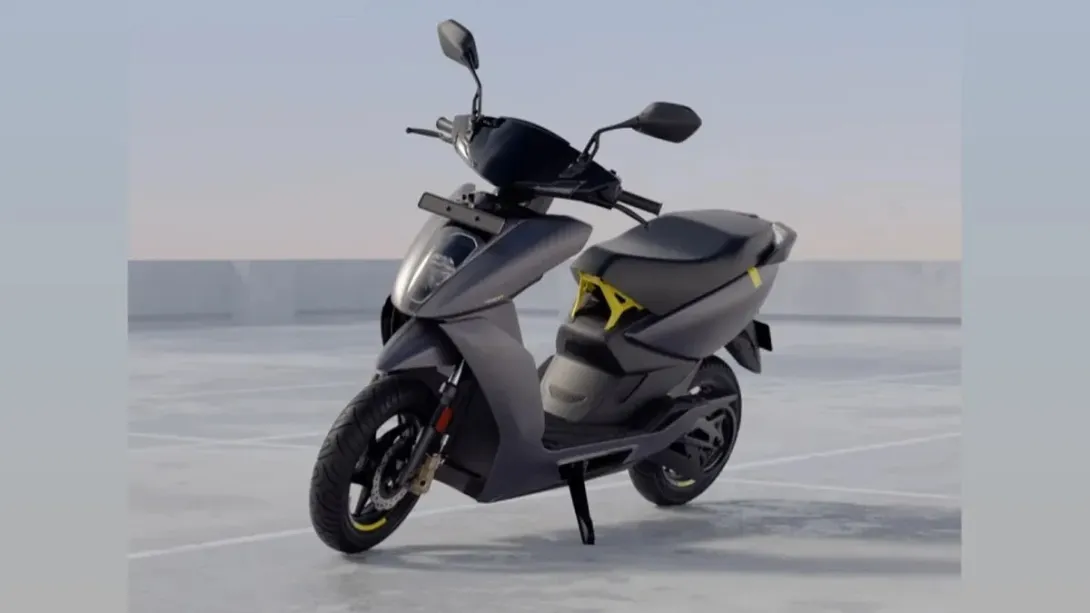
Ather Energy, one of India’s leading electric two-wheeler manufacturers, has set its sights on capturing a 20 percent share of the country’s electric vehicle (EV) market. The company’s leadership emphasized that this target reflects both the rapid growth in EV adoption and Ather’s expanding product lineup. With government incentives, rising fuel prices, and increasing consumer preference for sustainable mobility, the EV market in India is entering a pivotal growth phase. Ather’s strategic focus on technology, infrastructure, and consumer experience underscores its ambition to solidify its position as a key player in this fast-evolving sector.
India’s Evolving EV Landscape
India’s electric mobility sector has witnessed accelerated growth in recent years, driven by policy support, advances in battery technology, and heightened consumer awareness of environmental issues. Sales of electric two-wheelers surged significantly in 2023–24, reflecting a broader shift away from internal combustion engine vehicles.
Analysts expect the EV industry to maintain double-digit growth over the next decade, with two-wheelers forming the backbone of adoption. Ather Energy, known for its premium scooters and robust charging network, is positioning itself to capitalize on this momentum.
Ather’s Strategic Roadmap
According to the company’s leadership, the 20 percent market share target is not just aspirational but grounded in a detailed roadmap. This includes launching new models across price segments, expanding production capacity, and strengthening its nationwide charging infrastructure.
Ather already operates a network of fast-charging stations under the “Ather Grid” brand, a critical differentiator in a market where charging availability remains a key consumer concern. The company is also focusing on reducing battery costs and enhancing vehicle range, two factors that strongly influence consumer purchasing decisions.
Competition and Market Dynamics
The electric two-wheeler market has become increasingly competitive, with established players such as Ola Electric, TVS, and Bajaj vying for dominance alongside emerging startups. While price wars and subsidy-driven growth remain common themes, long-term success will depend on technology, reliability, and after-sales service.
Ather’s CEO highlighted that the company aims to differentiate itself by prioritizing customer trust and product quality rather than engaging in aggressive discounting strategies. By balancing affordability with innovation, the firm hopes to create sustainable demand that can weather policy or subsidy changes.
Outlook: Building a Sustainable Advantage
Ather’s pursuit of a 20 percent market share comes at a critical juncture for India’s mobility transition. The next few years will determine whether the EV ecosystem matures into a self-sustaining industry or remains dependent on government incentives.
With its emphasis on infrastructure, product innovation, and consumer trust, Ather Energy appears well-positioned to compete in this evolving landscape. If it succeeds, the company could not only secure a leadership role in India’s EV sector but also shape the broader trajectory of sustainable mobility in the country.
Comments