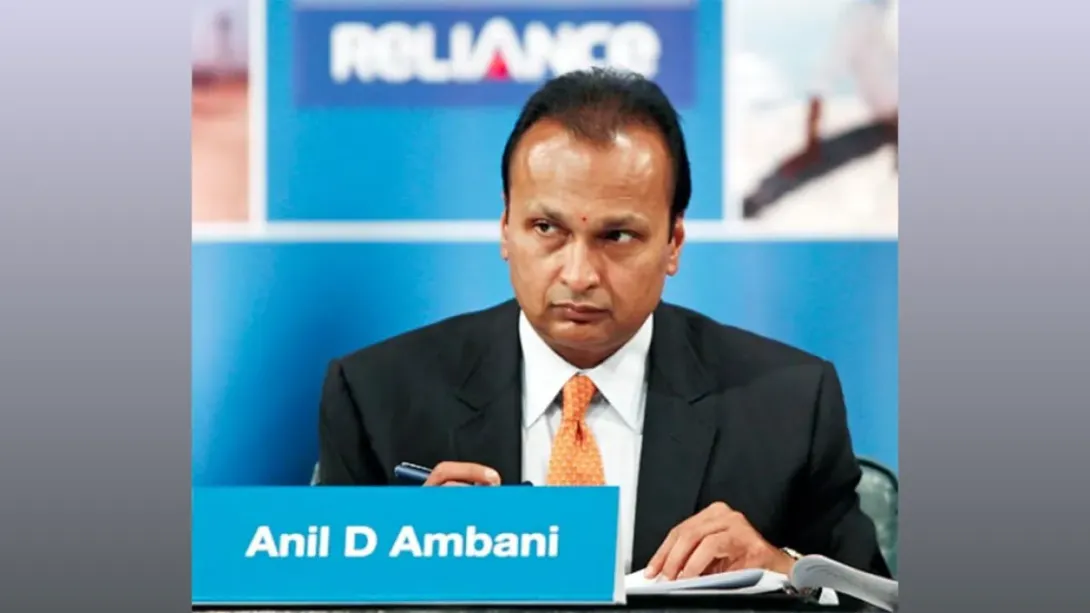
Business tycoon Anil Ambani has approached the Supreme Court of India to challenge a fraud designation reportedly assigned to him by the State Bank of India (SBI). The legal move seeks to contest the classification, which carries reputational and financial implications for the Reliance Group chairman. Analysts note that this case underscores the growing scrutiny on high-profile corporate borrowers and the regulatory rigor in banking operations. The Supreme Court’s intervention could set critical precedents regarding banks’ authority in designating defaulters, corporate accountability, and the protection of personal and business reputations in India’s financial ecosystem.
Background of the SBI Allegation
Anil Ambani has reportedly been flagged as a “fraud” by SBI, primarily related to outstanding financial obligations of Reliance Group companies. Such a designation typically results from alleged default or irregularities in loan repayment and triggers legal, operational, and reputational consequences.
The Supreme Court petition aims to review the basis of this classification and seek redressal of any potential errors in the bank’s assessment.
Legal Arguments and Corporate Implications
Legal experts highlight that the case will focus on the procedural fairness, documentation, and compliance in SBI’s designation process. Ambani’s petition emphasizes his right to challenge classifications that may affect personal and corporate credibility.
A favorable court outcome could influence the way banks assign fraud labels to high-net-worth individuals and corporate entities, potentially impacting lending practices and regulatory oversight.
Broader Banking and Market Perspective
The case draws attention to the broader regulatory and operational environment in Indian banking. Fraud tags can affect access to credit, shareholder confidence, and market valuation. Analysts note that transparency, dispute resolution mechanisms, and adherence to fair procedures are critical to maintain trust between banks, borrowers, and investors.
This legal challenge may also prompt discussions on policy refinements, particularly regarding the criteria and disclosure norms for financial irregularities.
Outlook: Supreme Court Review and Sectoral Impact
The Supreme Court’s adjudication will likely examine evidence, procedural adherence, and regulatory compliance. Industry observers anticipate that the ruling could clarify banks’ discretionary powers in labeling accounts as fraudulent, balancing the need for financial discipline with corporate rights.
The resolution of this case may set a precedent for corporate governance, credit accountability, and the intersection of banking regulations with individual and corporate reputations in India’s financial sector.
Comments