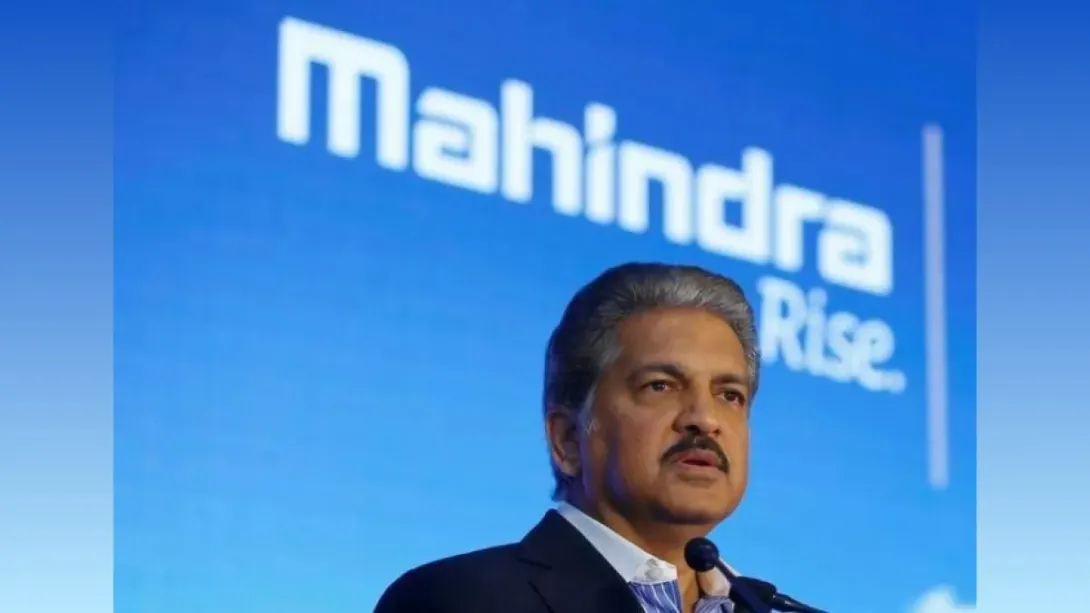
Anand Mahindra, chairman of the Mahindra Group, has reiterated the importance of India achieving technological self-reliance to secure its position in the global economy. Highlighting the country’s growing digital ecosystem, innovation capabilities, and manufacturing potential, he argued that reducing dependence on foreign technologies will be crucial for sustainable growth. His remarks come at a time when India is strengthening its semiconductor, electronics, and electric mobility sectors, underscoring the government’s “Atmanirbhar Bharat” vision. Mahindra’s perspective reflects the broader sentiment among industry leaders that self-sufficiency in critical technologies is essential for both economic resilience and global competitiveness.
India’s Push for Technological Independence
India’s technology sector has expanded rapidly in recent years, driven by advancements in digital infrastructure, software exports, and a thriving startup ecosystem. Yet, dependence on foreign suppliers for core technologies such as semiconductors, advanced electronics, and critical software remains a strategic challenge. Mahindra emphasized that the future of India’s economic sovereignty lies in building indigenous capabilities across these high-value sectors.
Strategic Alignment with Atmanirbhar Bharat
The Indian government has launched several initiatives to promote domestic innovation and manufacturing, including the Production-Linked Incentive (PLI) scheme for electronics and renewable energy, as well as major investments in semiconductor fabrication. Mahindra’s remarks align with this policy direction, reinforcing the view that India must not only participate in global supply chains but also create homegrown solutions that can withstand geopolitical and market disruptions.
Building Capacity in Emerging Technologies
Mahindra stressed the urgency of nurturing local talent in fields such as artificial intelligence, robotics, and electric mobility. With India positioning itself as a leader in green technology and sustainable transportation, the Mahindra Group itself has invested heavily in electric vehicles and clean energy. The focus, he noted, should not only be on production but also on fostering a culture of innovation, research, and intellectual property creation.
The Role of Industry Leaders
Industry leaders like Mahindra play a critical role in shaping the discourse around India’s technological future. By aligning corporate strategies with national goals, they can drive investment into R&D, enhance skills training, and create ecosystems that support startups and small businesses. This collaborative approach between government and private enterprise is essential if India is to achieve its vision of becoming a global hub for advanced technology.
Conclusion
Anand Mahindra’s call for self-reliance in technology resonates strongly in today’s geopolitical and economic climate. With global supply chains facing uncertainty, India’s ability to innovate, manufacture, and scale independently will define its long-term competitiveness. The message is clear: true economic power in the 21st century lies not only in consumption and scale but in mastering the technologies that shape the future.
Comments