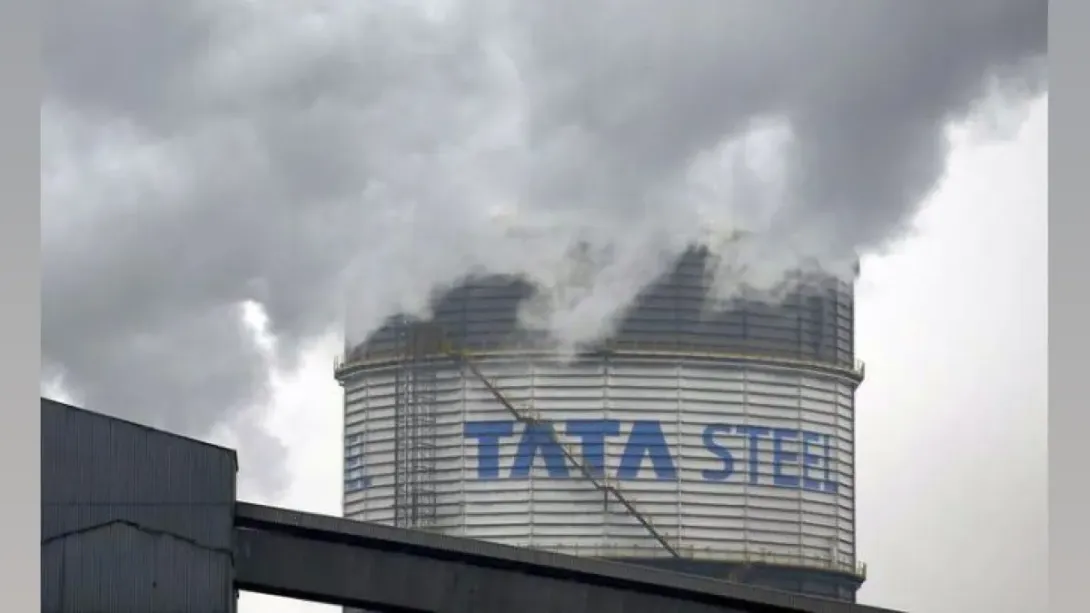
Indian Metals & Ferro Alloys Ltd. (IMFA) has strengthened its position in the ferroalloys industry through the acquisition of Tata Steel’s ferro-chrome plant in Odisha. The transaction marks a pivotal expansion for IMFA, enhancing its production capacity and reinforcing its dominance in India’s stainless steel supply chain. The deal underscores broader consolidation trends within the metals and mining sector, as companies seek scale efficiencies amid fluctuating commodity prices and evolving global demand. By integrating the Odisha facility into its operations, IMFA aims to unlock operational synergies, improve cost competitiveness, and solidify its strategic presence in eastern India’s mineral-rich corridor.
Strategic Consolidation in India’s Ferroalloys Sector
In a significant move within India’s metals industry, Indian Metals & Ferro Alloys Ltd. (IMFA) has completed the acquisition of a ferro-chrome manufacturing facility from Tata Steel Ltd. in the mineral-rich state of Odisha.
The acquisition represents more than a routine asset transfer; it signals strategic recalibration within the ferroalloys market. Ferro-chrome, a critical raw material in stainless steel production, plays an indispensable role in infrastructure, automotive manufacturing, and consumer goods industries. Control over production capacity offers companies pricing leverage and insulation from raw material volatility.
Industry analysts view the transaction as a calculated effort by IMFA to consolidate capacity in a market increasingly driven by economies of scale and cost optimization.
Enhancing Production Capacity and Market Reach
The Odisha-based facility strengthens IMFA’s operational footprint in a region that hosts some of India’s most abundant chromite reserves. Proximity to raw materials reduces logistics costs and enhances supply chain efficiency—an essential factor in a commodity-driven business where margins are often thin.
By integrating the plant into its existing portfolio, IMFA is expected to increase overall ferro-chrome output substantially, positioning itself to meet rising domestic demand and pursue export opportunities. India remains one of the world’s leading producers of ferroalloys, and expansion of capacity aligns with long-term growth in stainless steel consumption globally.
The acquisition is anticipated to generate operational synergies, particularly in procurement, energy management, and logistics optimization.
Tata Steel’s Strategic Realignment
For Tata Steel Ltd., the divestment reflects an ongoing focus on core steel operations and capital discipline. As global steelmakers navigate cyclical downturns, regulatory pressures, and sustainability commitments, portfolio rationalization has become an industry norm.
The sale enables Tata Steel to streamline its asset base while redeploying capital toward higher-return ventures, including green steel initiatives and advanced value-added products.
Such strategic recalibration is increasingly visible across global metals markets, where capital allocation and environmental, social, and governance considerations now influence long-term investment decisions.
Financial and Economic Implications
While the financial details of the transaction were not publicly disclosed, market observers suggest that the deal is likely structured to ensure long-term operational viability and value creation for IMFA shareholders.
In an environment characterized by commodity price volatility, consolidation offers resilience. Increased scale can mitigate input cost fluctuations and enhance bargaining power in both domestic and export markets.
Moreover, the acquisition strengthens IMFA’s balance sheet positioning by expanding productive assets in a high-demand segment of the stainless steel value chain.
Odisha: A Strategic Industrial Hub
Odisha has emerged as a critical industrial hub due to its rich deposits of chromite and other minerals. State-level policy support, infrastructure improvements, and proximity to key ports have made the region particularly attractive for metallurgical enterprises.
The integration of the ferro-chrome facility further reinforces Odisha’s status as a strategic node in India’s industrial development map. The move is also expected to preserve employment and stimulate ancillary economic activity in surrounding communities.
Outlook: A Calculated Bet on Long-Term Demand
IMFA’s acquisition reflects confidence in the sustained growth of stainless steel demand, both domestically and internationally. As infrastructure expansion, urbanization, and manufacturing investments accelerate across Asia and beyond, ferroalloys producers stand to benefit.
For IMFA, the transaction is not merely about scale; it is about securing strategic depth in a sector where operational efficiency, resource proximity, and disciplined capital allocation define competitive advantage.
In a cyclical industry that rewards foresight, IMFA’s expansion into a larger production footprint in Odisha may well prove to be a defining milestone in its corporate trajectory.
Comments