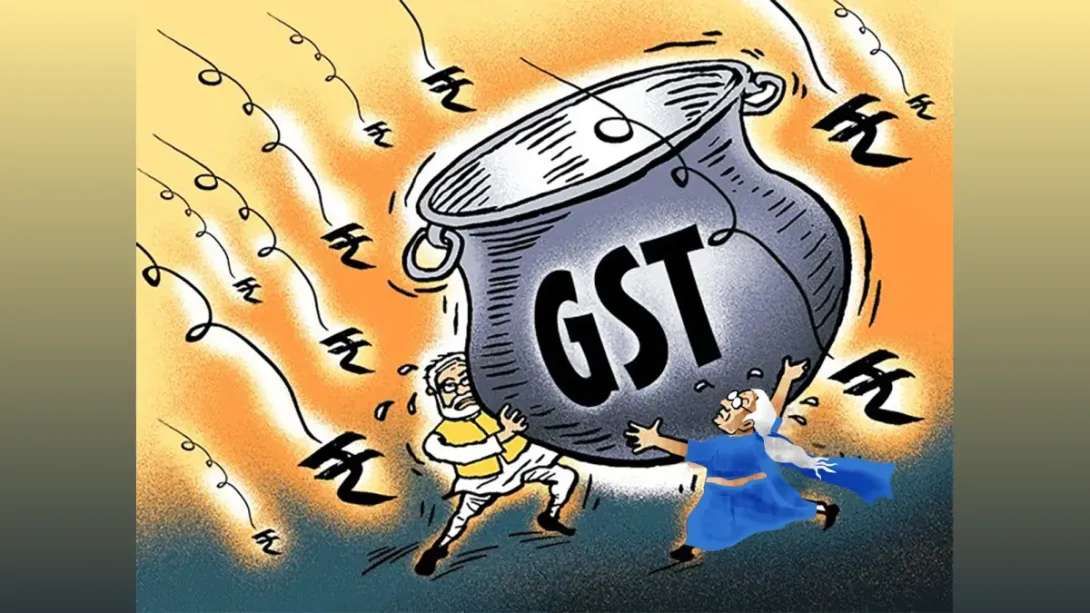
The Internet and Mobile Association of India (IAMAI) has raised concerns over the impact of the current goods and services tax framework on the earnings of app-based drivers, calling for a reassessment of the levy. According to the industry body, higher tax incidence on digital mobility platforms has reduced take-home incomes for drivers while increasing costs for consumers. The issue has gained urgency as gig economy workers face rising living expenses and fluctuating demand. IAMAI’s appeal highlights the broader policy challenge of balancing tax compliance with the sustainability of platform-based employment in India’s rapidly expanding digital economy.
GST Burden and Its Impact on Drivers
IAMAI has argued that the existing GST structure places a disproportionate burden on app-based mobility services, with the tax effectively cascading down to drivers. While platforms act as intermediaries, the higher levy reduces net earnings for drivers who already operate on thin margins.
Industry representatives note that this dynamic has become more pronounced amid rising fuel costs and maintenance expenses, leaving drivers with limited financial flexibility. The association believes a more nuanced tax approach could help protect livelihoods without undermining revenue collection.
Implications for Consumers and Platforms
Beyond driver incomes, IAMAI has warned that elevated GST rates also affect consumer affordability. Higher fares can dampen demand, particularly in price-sensitive markets, creating a ripple effect across the ecosystem.
For platforms, sustained cost pressures may limit their ability to invest in technology, safety, and service quality. Analysts suggest that a balanced tax framework could support long-term growth while ensuring fair treatment of all stakeholders.
Call for Policy Reassessment
IAMAI has urged policymakers to re-examine the GST treatment of app-based transport services, taking into account their role in employment generation and urban mobility. The association has proposed stakeholder consultations to evaluate alternative tax structures that align with the evolving nature of the gig economy.
Such a review, it argues, would help create a more equitable system that recognizes the unique operating models of digital platforms and the economic realities faced by drivers.
Broader Context of the Gig Economy
The debate around GST on app-based services reflects a larger conversation about regulation and worker welfare in the gig economy. As platform-based work becomes a significant source of income for millions, policy frameworks are under increasing scrutiny.
IAMAI’s intervention underscores the need for adaptive regulation that supports innovation while safeguarding worker earnings, ensuring that India’s digital economy grows in a sustainable and inclusive manner.
Comments