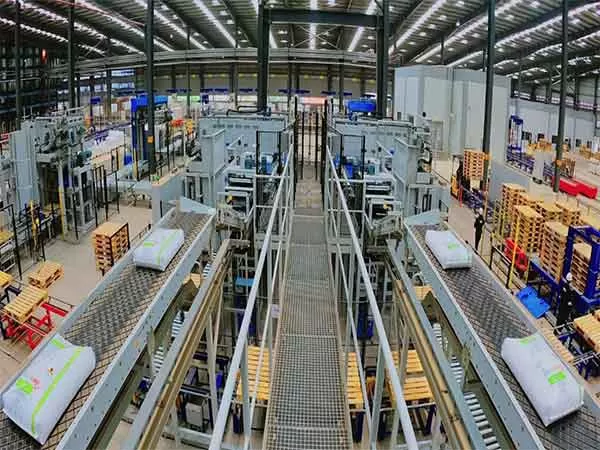
HPCL-Mittal Energy Limited (HMEL), a joint venture between Hindustan Petroleum Corporation Limited (HPCL) and Mittal Energy Investments Pte Ltd, is at the forefront of India's energy sector transformation. The company operates the Guru Gobind Singh Refinery in Bathinda, Punjab, with a capacity of 11.3 million metric tonnes per annum. HMEL is actively pursuing sustainable energy solutions through collaborations with academic institutions and industry leaders. Notably, the company has signed a Memorandum of Understanding (MoU) with the Indian Institute of Technology Kanpur (IIT Kanpur) to advance research in sustainable energy technologies. Additionally, HMEL is exploring green hydrogen initiatives in partnership with NTPC Green Energy Limited.
Strategic Collaboration with IIT Kanpur
In a significant move to bolster its research and development capabilities, HMEL has entered into an MoU with IIT Kanpur. This collaboration aims to bridge the gap between academic research and industrial application, focusing on sustainable energy technologies, process innovations, advanced materials, and AI-enabled energy systems. Prabh Das, MD & CEO of HMEL, emphasized that innovation is central to the company's strategy, and this partnership with IIT Kanpur represents a major step toward developing next-generation technologies that support sustainable and efficient energy systems.
Green Hydrogen Initiatives with NTPC Green Energy
HMEL is also making strides in the green energy sector through a partnership with NTPC Green Energy Limited (NGEL). The two entities have signed an MoU to collaborate in renewable energy and green hydrogen production. Under this agreement, HMEL plans to source 250 MW of Round-The-Clock (RTC) renewable energy to meet its operational requirements. Additionally, both companies aim to explore opportunities in the green hydrogen business and its derivatives, such as green ammonia and green methanol. This initiative aligns with India's energy transition goals and HMEL's commitment to reducing its carbon footprint.
Technological Advancements and Operational Efficiencies
To enhance operational efficiencies, HMEL has implemented advanced technological solutions. The company has collaborated with IBM to deploy an analytics platform that provides a centralized view of its assets, enabling real-time monitoring and decision-making. This system supports HMEL's Enterprise Resource Planning (ERP) framework, manages master data, builds key performance indicator (KPI) dashboards, and integrates business applications. The use of analytics is transforming HMEL's financial processes and improving operational efficiencies, ensuring world-class operations at its refinery.
Commitment to Sustainable Development
HMEL's commitment to sustainable development is evident in its initiatives aimed at reducing carbon emissions. The company is in the process of constructing a 100,000 tonnes per annum bio-ethanol plant at its Bathinda refinery. This facility will utilize agricultural waste as feedstock, contributing to the reduction of greenhouse gas emissions and supporting India's biofuel objectives. HMEL's focus on sustainability is further demonstrated by its investment in advanced technologies and collaborations aimed at developing scalable, market-ready solutions for the energy sector.
Conclusion
HPCL-Mittal Energy Limited is positioning itself as a leader in India's energy sector by embracing innovation, sustainability, and technological advancements. Through strategic collaborations with academic institutions and industry leaders, HMEL is driving the development of next-generation energy solutions. The company's initiatives in green hydrogen production, biofuel development, and digital transformation underscore its commitment to meeting the evolving energy demands of the nation while contributing to global sustainability efforts. As HMEL continues to implement these initiatives, it is poised to play a pivotal role in shaping the future of India's energy landscape.
Comments