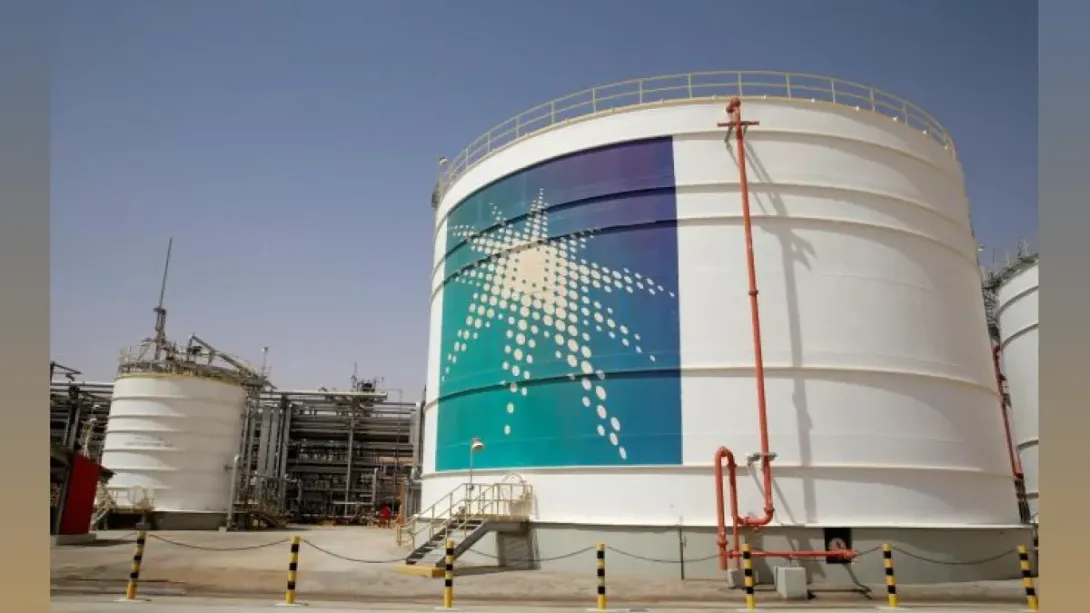
HPCL–Mittal Energy Ltd. (HMEL) has announced an investment of Rs 2,600 crore to expand operations at its Bathinda refinery, underscoring a renewed focus on capacity enhancement and fuel security. The expansion is aimed at improving operational efficiency, strengthening product flexibility, and meeting evolving domestic energy demand. The move aligns with India’s broader strategy to modernize refining infrastructure while balancing energy transition goals. For industry stakeholders, the investment signals confidence in long-term petroleum demand and highlights the role of advanced refining assets in supporting economic growth and supply stability.
Strategic Expansion at a Key Refining Hub
HMEL’s decision to invest Rs 2,600 crore in its Bathinda refinery marks a significant step in upgrading one of northern India’s critical energy assets. The expansion is expected to enhance throughput and improve the plant’s ability to process a wider range of crude grades.
Executives say the investment will also support compliance with evolving fuel quality norms and environmental standards.
Strengthening Energy Security and Supply
The Bathinda refinery plays a strategic role in supplying fuels to northern and northwestern India. Capacity expansion and modernization are expected to reduce supply constraints and improve distribution efficiency across key consumption centers.
Analysts view the move as part of a broader effort by refiners to ensure reliable fuel availability amid fluctuating global energy markets.
Investment Amid Energy Transition
While India continues to accelerate its shift toward renewable energy, petroleum refining remains a cornerstone of the country’s energy mix. HMEL’s expansion reflects a pragmatic approach—modernizing existing assets to improve efficiency and lower emissions even as alternative energy sources gain traction.
Upgraded refining infrastructure can help reduce energy intensity and support cleaner fuel production.
Economic and Regional Impact
The Rs 2,600 crore investment is likely to generate economic benefits for the region, including employment opportunities during the construction phase and increased ancillary activity. Infrastructure upgrades also strengthen the industrial ecosystem around Bathinda.
Such capital expenditure contributes to both regional development and national energy resilience.
Outlook for HMEL
With the Bathinda expansion, HMEL reinforces its position as a key player in India’s refining sector. Execution efficiency and timely commissioning will be critical to realizing the full benefits of the investment.
For investors and policymakers, the project underscores continued confidence in refining assets that combine scale, efficiency, and strategic location in a rapidly evolving energy landscape.
Comments