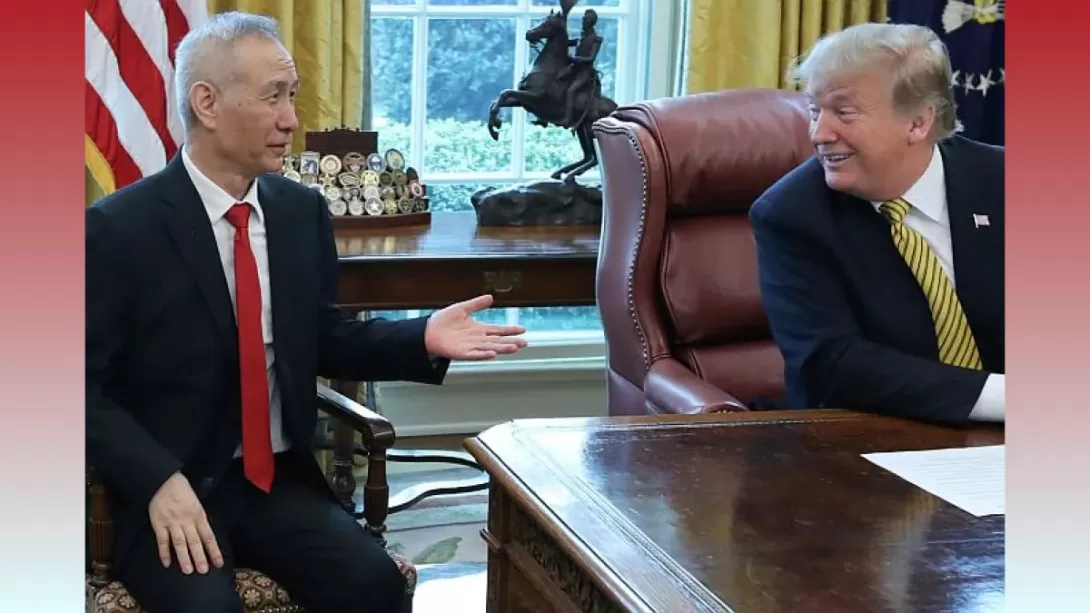
A new wave of protectionism, driven by steep tariffs introduced by the United States and retaliatory measures from China, is poised to reshape global trade flows. A potential 3% contraction in global trade and a 0.7% dip in global GDP by 2040 could be on the horizon, as per leading trade economists. With supply chains recalibrating in response to tariff hikes—some reaching 125% to 145%—nations like India, Brazil, and Canada stand to benefit as emerging export destinations. Meanwhile, developing economies such as Bangladesh, Mexico, and Vietnam are navigating a precarious path, seeking to insulate themselves through diversification, value addition, and regional integration.
Trade Retaliation Reaches Critical Levels
The global trading system is under severe stress following the escalation of tariff hostilities between the United States and China. With the U.S. imposing substantial tariffs and China responding with 125% duties on U.S. imports, a significant portion of bilateral trade has effectively stalled.
“These tariffs are not merely punitive—they are structurally disruptive,” noted a leading trade analyst in Geneva.
Such measures risk fragmenting long-established trade channels, creating uncertainty not only for multinationals but also for small and medium-sized enterprises dependent on transnational supply chains.
Shrinking Trade Volume and Realigned Export Markets
Estimates suggest a 3% contraction in global trade, with ripple effects felt across multiple continents. Countries like Mexico and Vietnam, traditionally dependent on exports to the U.S., China, and Europe, are now redirecting their trade focus.
- Mexico: Facing diminished demand from traditional partners, its exports are seeing modest growth in Canada, Brazil, and India.
- Vietnam: Reacting swiftly, Vietnam has diversified its export destinations toward the EU, MENA (Middle East and North Africa), and Korea.
This restructuring signals a shift away from concentrated trade dependency, suggesting a broader trend of strategic trade diversification.
Impact on Developing Economies and the Apparel Industry
The textile and apparel industry, a mainstay for developing economies, is among the sectors most severely impacted. Bangladesh, the world’s second-largest garment exporter, could lose USD 3.3 billion in annual exports to the U.S. by 2029 if a proposed 37% reciprocal tariff is enforced. This underscores the urgent need for these economies to move up the value chain and explore domestic resilience strategies.
Strategic Recommendations: Diversify, Add Value, Integrate
Trade leaders agree on a three-pronged approach to strengthen economic resilience in the Global South:
- Diversification: Reducing over-reliance on a narrow group of export markets.
- Value Addition: Moving from raw material exportation to finished goods manufacturing.
- Regional Integration: Strengthening intra-regional trade to mitigate global shocks.
Countries that adopt these measures proactively will be better positioned to weather future disruptions, whether economic, environmental, or geopolitical.
Long-Term Economic Forecast and GDP Outlook
Preliminary models developed in collaboration with French research institute CEPII indicate that the cumulative impact of these tariff wars, including reciprocal actions, could lead to a 0.7% drop in global GDP by 2040. The most vulnerable economies include:
- Mexico
- China
- Thailand
- Nations in Southern Africa
- United States itself
While tariffs are meant to protect domestic industries, the broader consequence is often inflation, reduced consumer choice, and weakened global investment flows.
China’s Position: A War of Attrition
China’s response to the U.S. has been both forceful and strategic. By pushing tariffs to 125%, it has shown no signs of capitulation. Importantly, China has signaled that tariffs are not its only tool—hinting at a potentially broader spectrum of economic countermeasures, ranging from tech restrictions to currency and regulatory shifts.
Conclusion: A Redefinition of Global Trade Alliances
The ongoing tariff conflict is doing more than disrupting supply chains—it is redrawing the global trade map. Emerging markets like India and Brazil may find themselves new beneficiaries, while previously dominant players struggle with retaliatory pressures. For investors, policy-makers, and global businesses alike, the message is clear: agility, diversification, and foresight are now the cornerstones of sustainable trade strategy. As nations reassess alliances and revisit their economic playbooks, the future of global commerce hinges on how effectively they adapt to this new era of trade geopolitics.
Comments