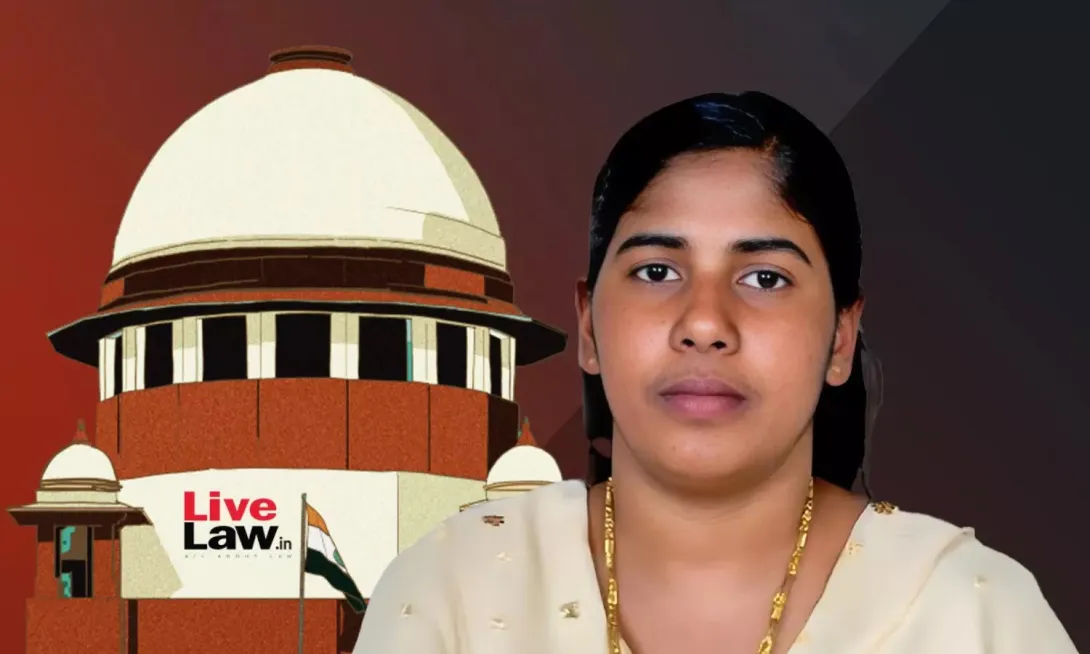
A fresh petition has been filed in the Supreme Court of India urging swift diplomatic intervention to prevent the execution of Nimisha Priya, a Malayali nurse sentenced to death in Yemen. The plea underscores mounting concerns over her legal representation abroad and stresses the humanitarian obligation of the Indian government to protect its citizens facing capital punishment in foreign jurisdictions. The case has triggered intense public debate, with activists and human rights groups pressing for proactive measures to secure Priya’s release or commute her sentence, thereby safeguarding her right to life and upholding India’s commitment to its nationals overseas.
Background of the Case
Nimisha Priya, a nurse from Kerala, was convicted by a Yemeni court in 2017 for the murder of a Yemeni national. The incident arose from a deeply troubling dispute involving allegations of abuse, which Priya claimed had driven her to desperation. She was sentenced to death, prompting widespread appeals from civil society and international human rights organisations to reconsider the case given its extraordinary circumstances.
Priya’s family and various advocacy groups have since campaigned vigorously, highlighting perceived lapses in her legal defence and the broader challenges Indian nationals face in securing fair trials in conflict-affected countries.
The Supreme Court Petition
The new plea filed in the Supreme Court seeks directives compelling the Indian government to undertake all diplomatic and legal channels available to save Priya’s life. Petitioners argue that India, under constitutional obligations and international principles, must do everything reasonably possible to prevent its citizens from being executed abroad—especially where due process might be questionable.
They have also called for immediate engagement with Yemeni authorities, exploring options such as a “blood money” settlement permissible under Yemeni law, which could facilitate commuting the death sentence to a lesser penalty.
Public Sentiment and Diplomatic Complexity
The case has galvanized public opinion across India, with vigils, petitions, and appeals directed at both Indian and Yemeni officials. Human rights defenders stress that while respecting the sovereignty of another nation’s legal system is essential, there remains an equally compelling moral imperative to intervene when an Indian citizen’s life hangs in the balance.
However, the situation is complicated by Yemen’s internal strife and strained diplomatic infrastructure, making negotiations exceedingly delicate. Experts point out that any potential resolution would likely require nuanced diplomacy, balancing legal protocols with humanitarian considerations.
The Road Ahead
As the Supreme Court deliberates, observers anticipate heightened diplomatic activity. India’s foreign ministry is reportedly monitoring the matter closely, exploring avenues to secure relief for Priya. Meanwhile, legal experts underline the importance of reinforcing consular support systems to better protect Indian workers overseas, many of whom face vulnerabilities due to language barriers, lack of local legal knowledge, and precarious employment conditions.
The outcome of this petition could set a significant precedent for how India safeguards its citizens in peril abroad, reflecting both its constitutional ethos and commitment to human dignity.
Comments