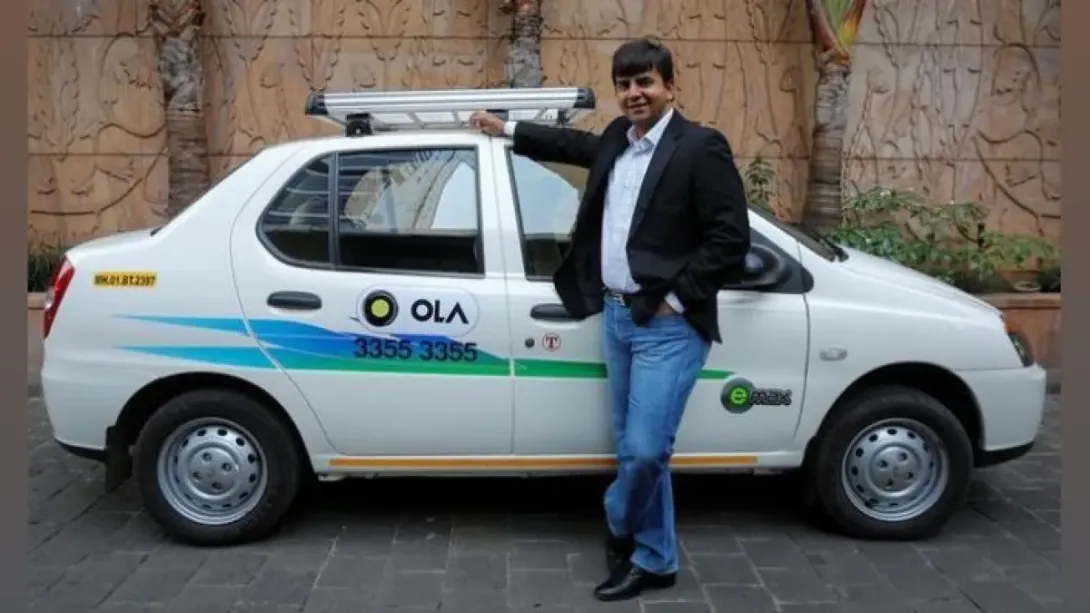
In a significant move to disrupt India’s app-based transportation landscape, a consortium of eight cooperatives has unveiled Bharat Taxi, a ride-hailing service designed to offer an ethical, locally governed alternative to global tech giants. Operating under a cooperative ownership model, Bharat Taxi aims to provide fair wages for drivers and transparent pricing for consumers, while empowering regional economies. The platform has already begun operations in multiple cities, with plans to scale nationwide. Its cooperative structure reflects a broader shift toward decentralized, community-led platforms seeking to restore balance in India’s rapidly corporatized digital economy.
A Cooperative Disruption of the Ride-Hailing Industry
The launch of Bharat Taxi represents a unique fusion of social enterprise and digital innovation. Unlike conventional ride-hailing companies that operate on venture-backed profit models, Bharat Taxi is entirely owned and governed by the drivers and service providers themselves. This cooperative structure ensures that decisions around pricing, commissions, and operations are made collectively, prioritizing both economic sustainability and worker welfare.
The initiative is not only a reaction to long-standing concerns about low driver payouts and opaque commission structures on popular platforms, but also an affirmative step toward economic democracy in the gig economy.
Key Players Behind the Initiative
Bharat Taxi has been developed by a coalition of eight cooperative entities, each with deep roots in worker-owned business models and community-focused financial ecosystems. These cooperatives bring together diverse expertise in logistics, digital infrastructure, finance, and social entrepreneurship.
Their collaborative framework allows Bharat Taxi to maintain low overhead costs and reinvest surpluses directly into the cooperative and its members. This model offers a viable blueprint for how tech-enabled services can be built without the burden of external shareholder pressure.
Driver-Centric Model: Fair Pay, Zero Exploitation
One of the core tenets of Bharat Taxi’s philosophy is equitable pay. Drivers on the platform retain a significantly larger share of ride fares—reportedly as much as 90%—compared to traditional ride-hailing platforms where commissions often exceed 20%–30%.
Moreover, the platform includes provisions for insurance, pension contributions, and financial literacy support for drivers. These measures not only elevate working conditions but also ensure long-term financial inclusion for gig workers, many of whom operate without safety nets in current industry models.
Consumer Benefits: Transparent Pricing and Local Empowerment
For passengers, Bharat Taxi promises a straightforward and transparent pricing structure, free from surge pricing algorithms or hidden charges. The app also features multilingual support and a user interface designed to be intuitive for first-time digital users.
By channeling consumer spending into local cooperatives, the platform encourages community wealth generation, reduces economic leakage to global conglomerates, and helps create more resilient regional economies.
Technological Infrastructure and Expansion Plans
The digital infrastructure of Bharat Taxi has been designed in-house by cooperative tech developers with a focus on scalability, data privacy, and open-source adaptability. The app is already live in several major Indian cities, and the leadership team has outlined an ambitious roadmap to expand into Tier II and Tier III towns in the next 12 months.
In addition, there are plans to integrate electric vehicles and green mobility solutions into the fleet, aligning the service with national sustainability goals and urban decarbonization strategies.
A Movement Rooted in Cooperative Values
The emergence of Bharat Taxi is emblematic of a broader shift in India’s digital economy—where decentralized, community-owned platforms are gaining momentum as viable counterweights to extractive corporate models. Its success could inspire similar models across sectors like delivery services, home cleaning, and logistics.
More than just a ride-hailing app, Bharat Taxi represents a statement: that scalable, tech-enabled businesses can be built around human dignity, worker rights, and economic fairness.
Conclusion:
As Bharat Taxi takes to Indian roads, it brings with it the promise of a more just and inclusive digital economy—one where cooperatives compete not just on price and convenience, but on values and vision. Whether this model can withstand the challenges of scale, competition, and regulatory friction remains to be seen, but it has already sparked a conversation that India’s tech future doesn’t have to mirror Silicon Valley—it can be built by and for its people.
Comments