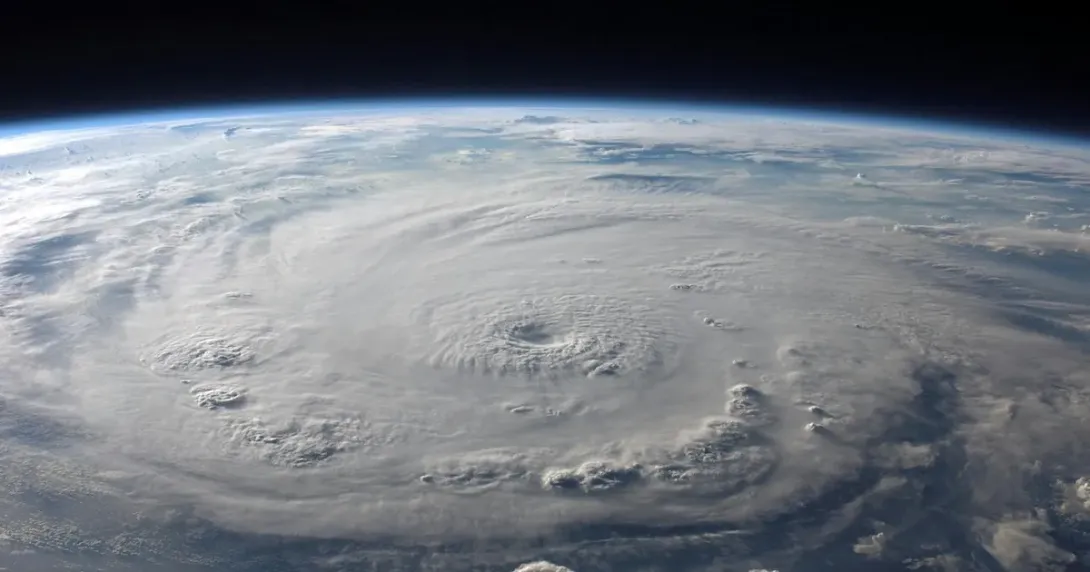
A new scientific assessment of Earth’s heat imbalance has intensified concerns about the accelerating pace of global warming and its far-reaching consequences. The study indicates that the planet is absorbing significantly more energy from the sun than it is releasing back into space, a trend closely linked to rising greenhouse gas concentrations. This imbalance is not only reshaping climate systems but also amplifying economic risks tied to extreme weather, food security and infrastructure resilience. Experts warn that without decisive policy intervention, the widening heat gap could lock in long-term environmental and financial costs measured in trillions of rupees.
Understanding Earth’s Heat Imbalance
Earth’s heat imbalance refers to the difference between incoming solar radiation and outgoing heat energy. Scientists measure this gap using satellite data and ocean heat content, with recent findings showing a persistent and growing surplus of trapped energy. The majority of this excess heat is being absorbed by the oceans, masking the full scale of warming while increasing the risk of abrupt climate shifts.
Key Drivers Behind the Trend
Researchers attribute the imbalance primarily to human-driven emissions, including carbon dioxide and methane, which reduce the planet’s ability to radiate heat back into space. Declining ice cover and changes in cloud patterns have further reduced Earth’s reflectivity, compounding the problem and accelerating temperature rise across land and sea.
Climate Risks and Economic Fallout
The implications extend well beyond environmental metrics. A sustained heat imbalance is linked to more frequent heatwaves, intensified storms and rising sea levels. Economists caution that climate-related disruptions could strain public finances, inflate insurance costs and erode productivity, with long-term losses running into several lakh crore rupees globally.
Implications for Policy and Investment
The findings add urgency to calls for stronger climate policies and increased investment in mitigation and adaptation. Clean energy deployment, climate-resilient infrastructure and early-warning systems are increasingly viewed not as costs, but as essential safeguards against mounting economic exposure.
A Narrowing Window for Action
Scientists emphasize that Earth’s heat imbalance is a lagging indicator, meaning today’s emissions will shape conditions decades ahead. The study underscores a clear message for policymakers and markets alike: delaying action will only deepen environmental damage and escalate the financial burden borne by future generations.
Comments