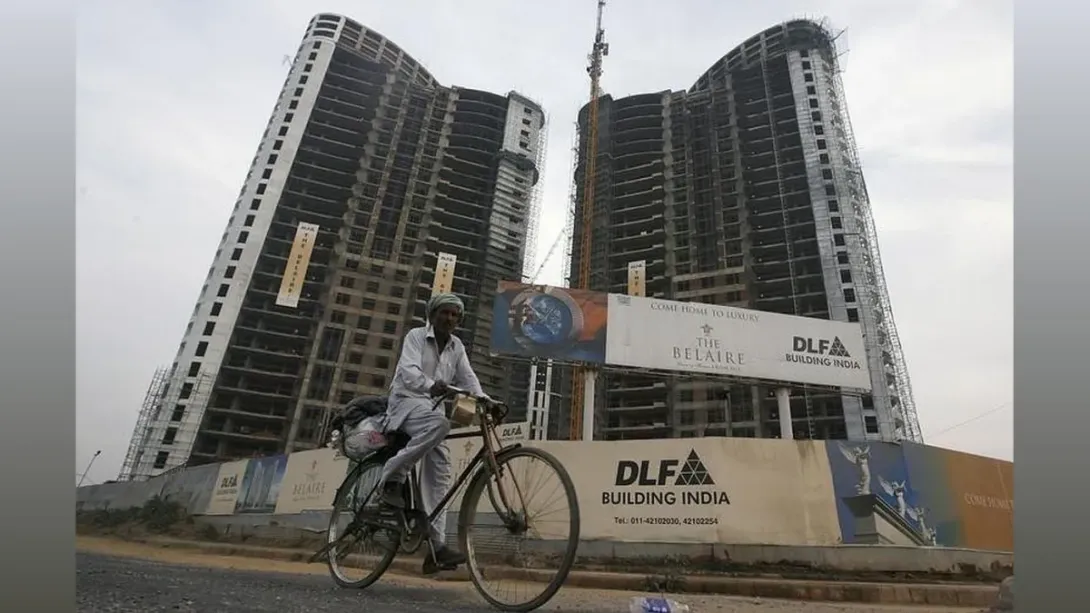
DLF Ltd., India’s largest listed real estate developer, reported an 18% increase in consolidated net profit for the first quarter of FY2025, underscoring the strength of its residential segment and robust demand across key markets. The company posted a net profit of Rs. 763 crore, compared to Rs. 649 crore in the same period last year. Revenue from operations surged 9% to Rs. 1,521 crore, supported by continued momentum in luxury housing sales and efficient execution. DLF’s management expressed optimism over the sector’s outlook, backed by low inventory, rising affordability, and sustained buyer confidence.
Residential Segment Powers Growth
DLF’s earnings performance in the April–June quarter was largely underpinned by its residential vertical, which continued to record strong sales traction across luxury and premium offerings. The company clocked healthy new bookings, with consumers displaying preference for ready and near-completion inventory in established micro-markets such as Gurugram and New Delhi.
This demand translated into increased collections, operational cash flows, and faster project execution cycles. DLF’s new launches were met with robust customer response, further validating the resurgence of India’s high-end housing market.
Profitability Strengthens on Back of Operational Leverage
The company’s consolidated net profit rose to Rs. 763 crore in Q1 FY2025, marking an 18% year-on-year increase. Higher realization from premium housing projects, disciplined cost control, and operational efficiency helped shore up margins during the quarter.
Revenue stood at Rs. 1,521 crore, up from Rs. 1,398 crore a year ago. The operating margin remained healthy, buoyed by better project mix and improving economies of scale. The company’s ability to control construction costs and manage execution timelines contributed significantly to profitability.
Commercial Portfolio Remains Stable
While residential projects led the topline, DLF’s commercial assets—particularly its Grade A office and retail spaces—continued to deliver consistent annuity income. The rental portfolio maintained high occupancy levels, and the company reaffirmed its focus on expanding retail footprint in high-growth corridors.
DLF Cyber City Developers Ltd. (DCCDL), its rental arm, remains a key contributor to annuity revenue. With an uptick in footfall and retail leasing activity, the commercial segment is expected to provide a stable cash flow cushion going forward.
Financial Health and Outlook
DLF closed the quarter with a strong balance sheet and healthy liquidity position. Net debt levels were well-contained, enabling the company to continue investing in land acquisition, project development, and infrastructure enhancement. Its prudent financial discipline has earned it the confidence of institutional investors and homebuyers alike.
Looking ahead, the company plans to scale up launches across the National Capital Region and other Tier-1 cities. Demand is expected to remain buoyant, especially in the upper-mid and luxury housing categories, supported by rising disposable incomes and favorable interest rate dynamics.
Analyst Commentary
DLF’s Q1 results reflect the evolving contours of India’s real estate cycle, where demand for high-quality homes in premium locations is far outpacing supply. The company’s agile business strategy, disciplined financial management, and sharp focus on execution have positioned it well to capitalize on this structural shift.
While external risks such as regulatory changes or interest rate fluctuations persist, DLF’s diversified portfolio and strong brand equity provide a solid foundation for sustained performance in the quarters ahead.
Conclusion:
DLF’s solid start to FY2025 showcases the resilience of its business model and the underlying strength of India’s housing market. With a robust project pipeline, strong customer sentiment, and disciplined execution, the company appears well-poised to maintain its leadership position in both residential and commercial real estate. For investors and stakeholders, DLF’s Q1 numbers reaffirm its trajectory as a key player shaping the future of urban development in India.
Comments