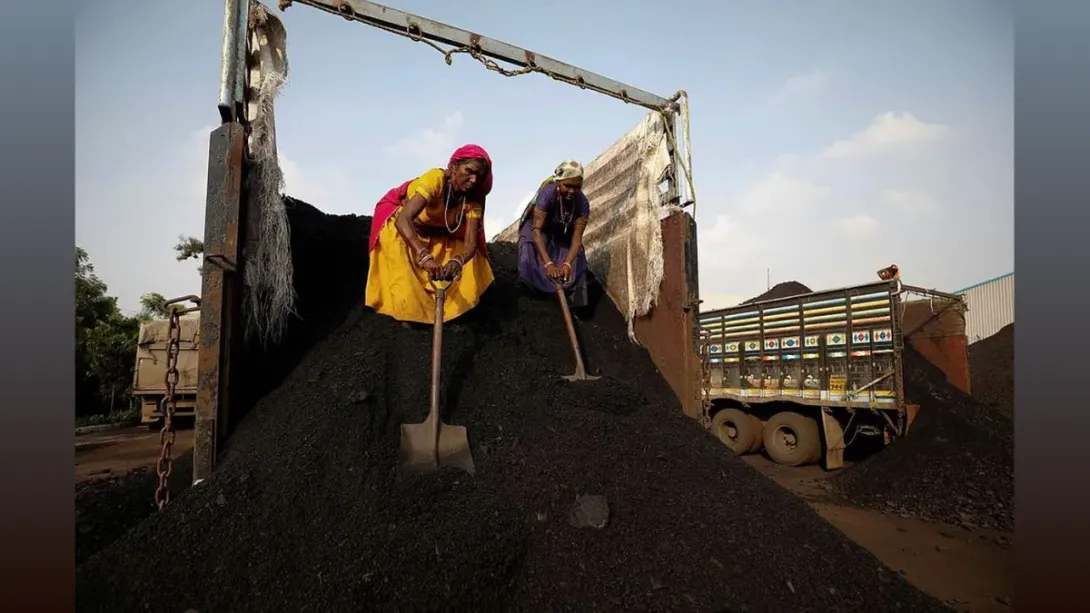
Coal India Ltd (CIL), the country’s largest coal producer, has set a robust target of supplying 900 million tonnes (MT) of coal in the current fiscal year, alongside a planned capital expenditure of Rs. 16,000 crore. The move underscores the company’s efforts to meet rising power demand, reduce import dependency, and expand capacity across its mining operations. With increased investments in mechanization, infrastructure, and sustainability, CIL is positioning itself as a critical player in India’s energy security roadmap. The focus remains on efficiency, digitization, and environmentally responsible growth amid evolving energy transition dynamics.
Accelerating Domestic Coal Supply Amid Rising Demand
Coal India’s 900 MT supply target for FY26 marks a strategic push to meet surging demand from the power sector and other core industries. The company supplied 776.7 MT of coal in the previous fiscal, and the new target represents a year-on-year growth ambition of nearly 16%.
This expanded goal aligns with the government’s broader objective to reduce coal imports by bolstering domestic production. The move is particularly relevant as India continues to grapple with high summer power loads and an expanding industrial base that relies heavily on thermal energy.
CIL has already initiated steps to enhance output across key subsidiaries and aims to improve coal evacuation through dedicated freight corridors and upgraded logistics infrastructure.
Rs. 16,000 Crore Capex for Infrastructure and Digitization
To support its aggressive supply goals, Coal India has earmarked a capital expenditure of Rs. 16,000 crore for the ongoing fiscal. This investment will be directed toward enhancing mining infrastructure, deploying advanced technology in coal extraction, and upgrading transportation networks.
A significant share of the capital will go into mechanization of operations, including high-capacity dumpers, surface miners, and rapid loading systems. Additionally, digital tools such as mine planning software, real-time monitoring systems, and drone-based surveying are being adopted to streamline productivity and safety.
The capex also includes investments in washeries, CHP (Coal Handling Plants), and first-mile connectivity projects to improve the quality and efficiency of coal supply to end-users.
Focus on Sustainability and Green Initiatives
As part of its long-term strategy, Coal India is increasingly integrating environmental stewardship into its operations. The company has committed to afforestation programs, dust suppression systems, and improved mine reclamation techniques to mitigate its ecological footprint.
In alignment with national clean energy objectives, CIL is also exploring diversification into solar energy and underground coal gasification, signaling its intent to play a balanced role in India’s evolving energy ecosystem.
The company’s solar ventures—through its subsidiaries and joint ventures—are expected to contribute meaningfully to both decarbonization goals and revenue diversification in the coming years.
Outlook: Balancing Growth and Energy Transition
Coal India’s enhanced targets and capital investments reflect a pivotal moment for India’s energy sector. While the country pursues ambitious renewable energy goals, coal remains a backbone of power generation in the near term. CIL’s ability to deliver on its 900 MT target will be crucial in bridging the gap between demand and supply, particularly during peak consumption months.
However, industry analysts point out that future growth will need to be tempered with greater environmental accountability and technological innovation. Coal India’s dual approach—expanding capacity while embracing sustainability—positions it as both a legacy energy leader and a transitional stakeholder in India’s complex energy narrative.
Conclusion
Coal India’s Rs. 16,000 crore capex and 900 MT supply target for FY26 underscore a high-stakes commitment to ensuring national energy security. With increasing emphasis on automation, infrastructure, and green growth, the company is navigating the challenging intersection of energy demand, operational expansion, and environmental responsibility—charting a course that mirrors the broader transformation of India’s energy economy.
Comments