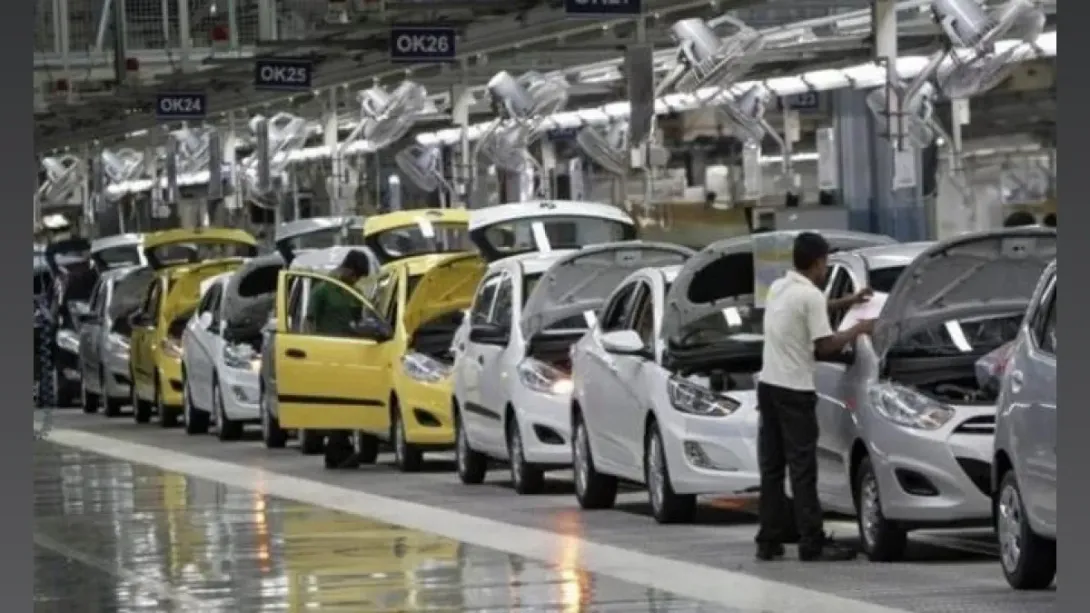
The recent reduction in the Goods and Services Tax (GST) on small cars has sparked a noticeable uptick in demand, offering a short-term lift to automakers and ancillary players such as tyre manufacturer CEAT Ltd. Lower acquisition costs have revived showroom footfalls and improved booking momentum, particularly in entry-level and compact segments. However, questions remain over the sustainability of this recovery amid rising ownership costs, tightening credit conditions, and shifting consumer preferences toward premium vehicles and electric mobility. For CEAT, the critical issue is whether this demand rebound represents a structural reset or merely a policy-induced pause in a longer-term slowdown.
GST Cuts Rekindle Interest in Entry-Level Cars
The GST reduction on small cars has provided immediate relief to price-sensitive buyers, narrowing the affordability gap that widened after successive regulatory changes and cost escalations. Automakers have passed on most of the tax benefit to consumers, resulting in lower ex-showroom prices and improved value propositions.
This has translated into higher retail inquiries and a pickup in dispatches, particularly in urban and semi-urban markets. For suppliers like CEAT, which has meaningful exposure to the passenger vehicle segment, the near-term volume boost has been tangible.
CEAT’s Exposure to the Passenger Vehicle Cycle
CEAT’s product portfolio is closely aligned with the domestic automotive market, with passenger vehicle tyres forming a significant share of its revenues. An increase in small-car sales typically supports replacement demand as well as original equipment manufacturer (OEM) volumes, both of which are margin-accretive for tyre makers.
The company has also benefited from operating leverage as higher utilization rates help offset raw material cost volatility. However, management commentary in recent quarters has suggested caution, emphasizing that sustained volume growth depends on broader macroeconomic support rather than isolated tax incentives.
Structural Headwinds Persist
Despite the GST-led boost, the small-car segment continues to face structural challenges. Rising fuel prices, higher insurance premiums, and increased maintenance costs have raised the total cost of ownership. At the same time, consumer aspirations are shifting toward larger vehicles and feature-rich models, compressing demand at the lower end of the market.
Financing conditions add another layer of uncertainty. With interest rates remaining elevated, entry-level buyers—who are more sensitive to monthly outflows—may defer purchases once the initial impact of tax cuts fades.
Temporary Relief or Sustainable Turnaround?
Market analysts remain divided on the longevity of the demand revival. Optimists argue that lower GST rates could restore the small car’s role as an accessible mobility solution, particularly if supported by stable fuel prices and improved financing availability. Skeptics, however, view the current surge as front-loaded demand, pulled forward by price incentives rather than underpinned by income growth.
For CEAT, this distinction is crucial. A sustained recovery would support steady volume growth and pricing discipline, while a short-lived spike could reintroduce inventory and margin pressures.
Outlook for CEAT and the Auto Ancillary Sector
In the near term, CEAT is likely to benefit from improved sentiment and OEM offtake driven by GST relief. Over the medium term, however, the company’s performance will hinge on diversification across segments, export growth, and its ability to align with evolving mobility trends, including electric vehicles.
The GST cut has offered breathing room, but not a definitive solution. Whether small-car demand endures will depend less on tax policy and more on household incomes, credit availability, and the broader trajectory of India’s automotive market.
Comments